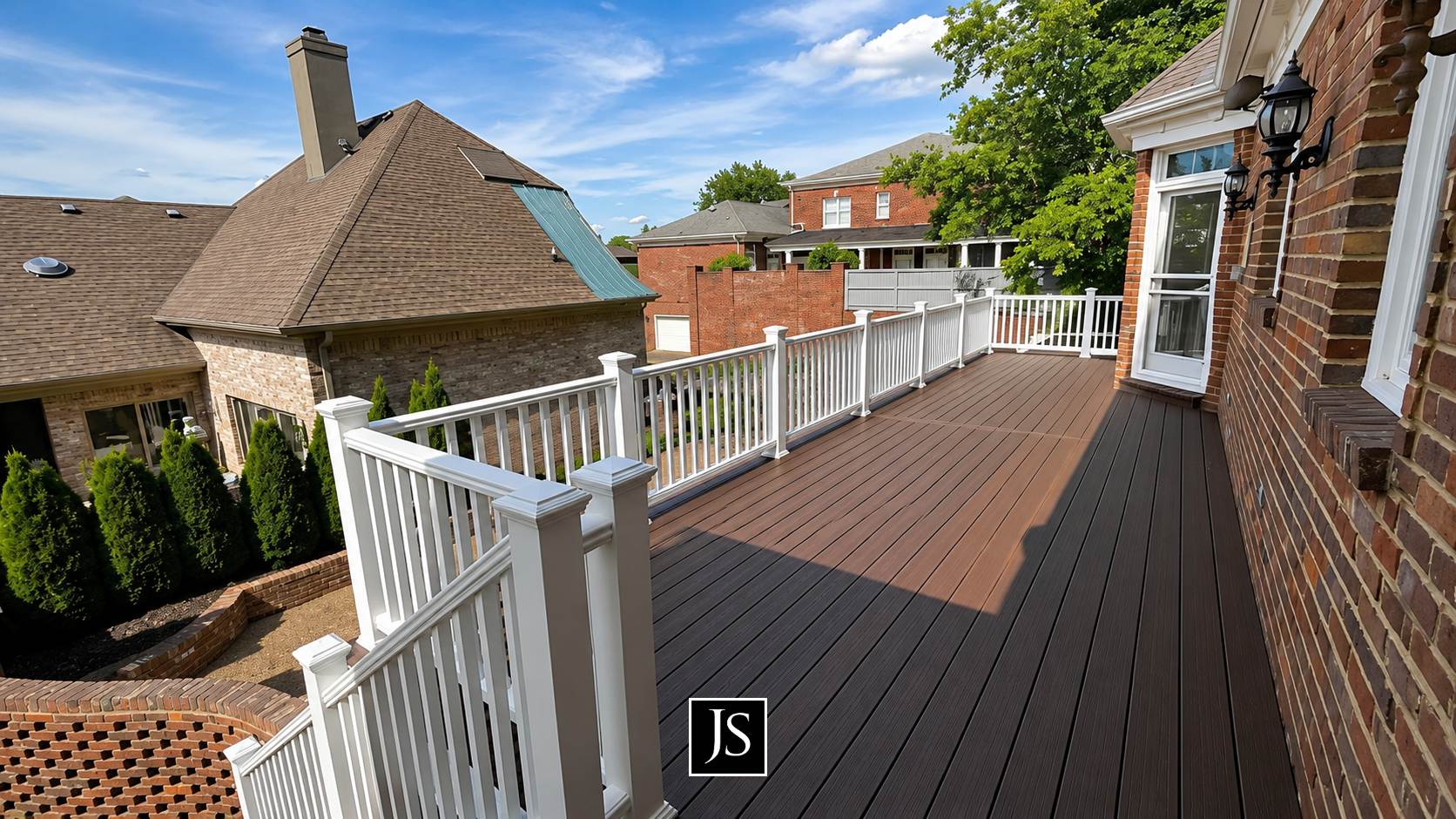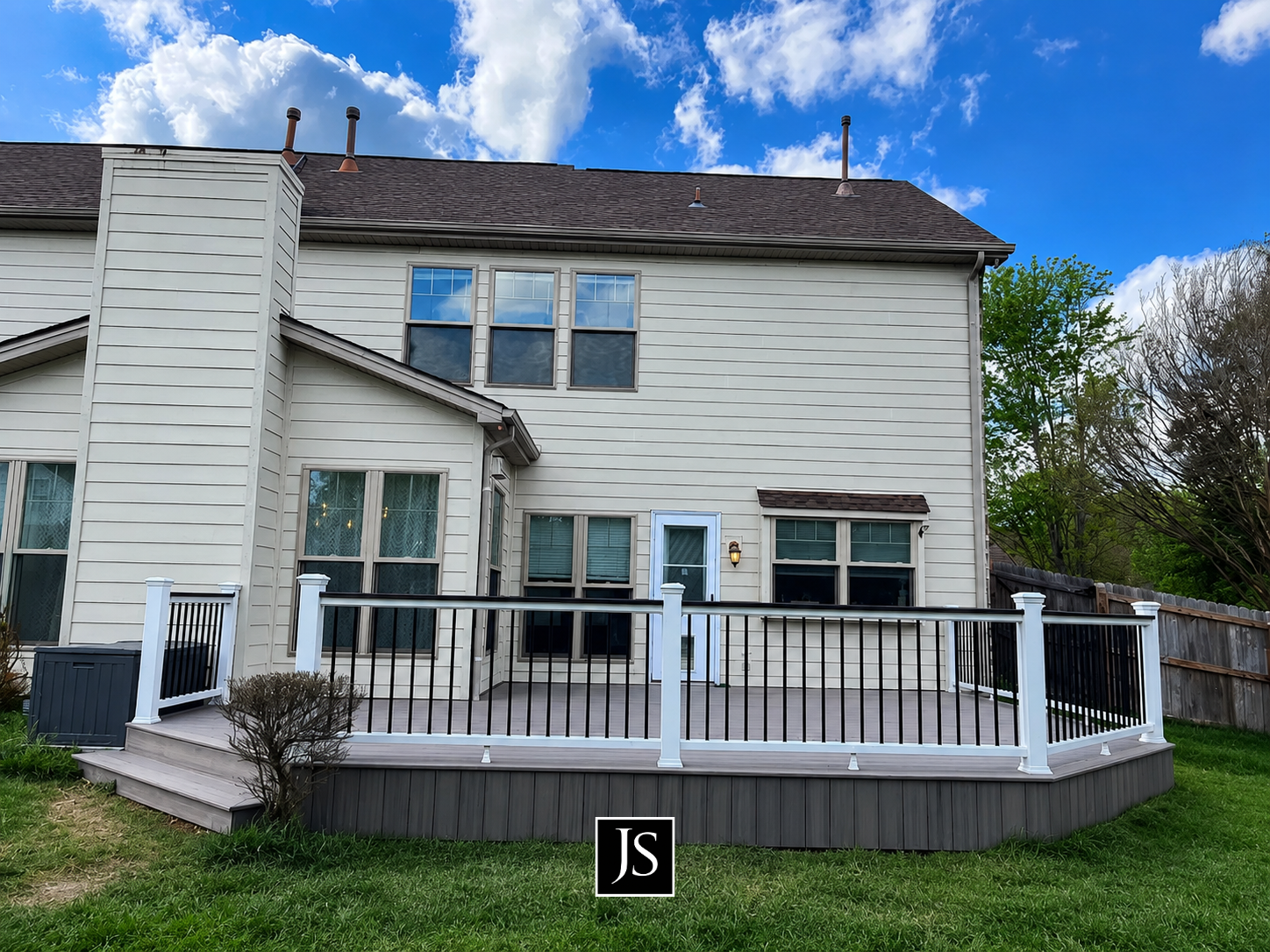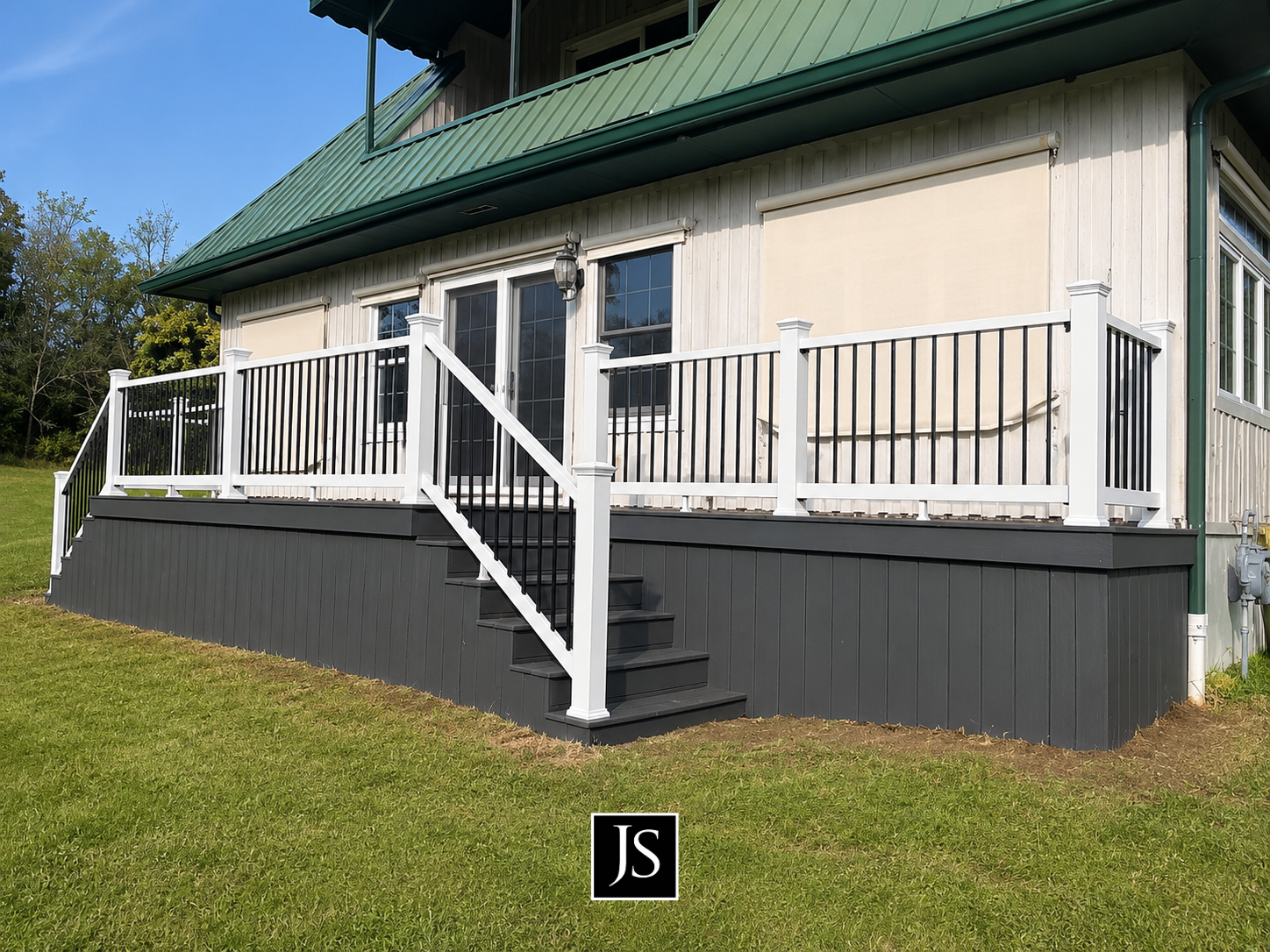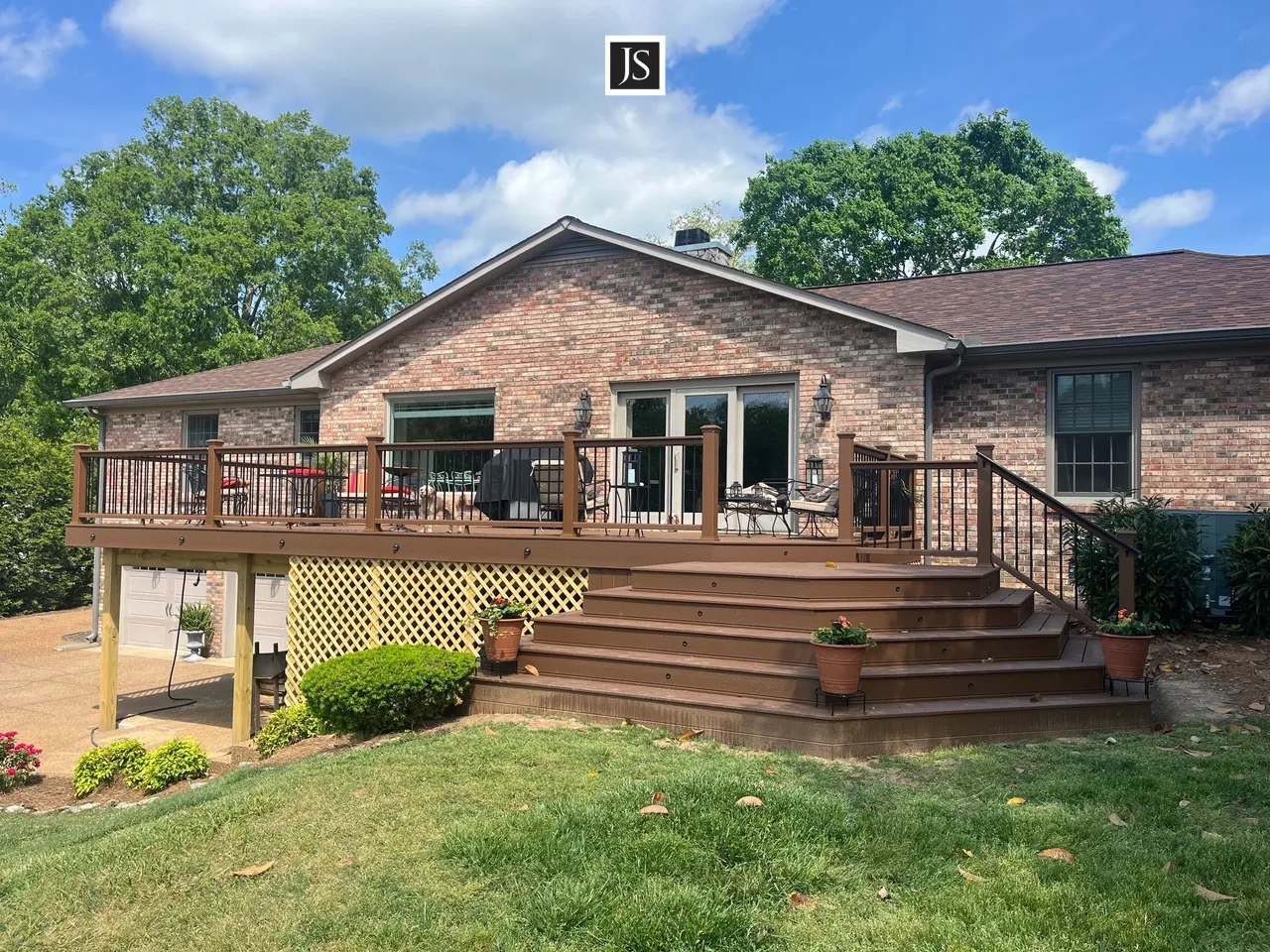
Thinking about adding a deck to your home? It can really transform how you use your space. A deck extends your indoor area, gives you a spot to chill or entertain, and can even boost your home's appeal if done right. But before you dive into picking boards and railings, it's smart to plan everything out to make sure your deck looks great, lasts long, and stays safe.
Many folks get excited about the design first, but the best decks start with solid planning. If you're thinking about a new outdoor setup, consider services like new deck installation or even deck replacement and remodeling. These can help you assess the structure, layout, and value before you begin. Check out our gallery for some inspiration that might just fit your home.
This guide covers the key things to think about before building a deck, like design trends, material options, permits, safety, upkeep, and budget. It also looks at industry trends, such as multi-zone layouts, eco-friendly materials, and warm finishes. By the end, you'll have a clearer idea of how to plan a deck that suits your home and lifestyle.
Why Planning Matters Before You Build
Your Deck is Part of Your Home
A deck isn't just an outdoor platform. It's connected to your house, affecting structural integrity, water management, and access points. That's why planning should include your whole home exterior, not just the deck itself.
If a deck isn't attached correctly, issues can pop up quickly. Water leaks, weak connections, and poor support can lead to costly fixes. The U.S. Consumer Product Safety Commission warns that deck failures can be serious, so getting the structural details right is just as important as the look.
Good Planning Saves Money
Planning isn’t just about picking a design you like; it keeps your budget in check. A well-thought-out deck avoids costly changes, unnecessary demolition, and ensures you choose materials and features that match your long-term goals.
If your current deck is old or worn, it might be wise to combine your planning with a professional assessment. Sometimes, a full rebuild with composite deck upgrades gives you a safer, better-looking deck that also corrects hidden issues.
Deck Design Trends for 2026
Multi-Zone Decks Are Popular
Multi-zone decks are a big trend for 2026. Instead of one big space, people are creating areas for cooking, dining, lounging, and even morning coffee. This makes the deck more functional throughout the day.
For instance, a family might want a grill station near the kitchen, a dining area by the door, and a relaxed seating spot further out. This zoning works well with broader outdoor living spaces, especially if you want the deck to feel like part of your home.
Eco-Friendly Materials Are In
Eco-friendly building choices are on the rise, and composite decking is a great example. These materials resist rot, fading, and moisture, making them perfect for homeowners looking for low maintenance and long life. This is especially useful in areas with a lot of humidity.
According to recent design trends, sustainable, low-maintenance products are shaping both aesthetics and performance. Many are now opting for decks that look great but don’t require constant upkeep.
Warm, Natural Colors Are Replacing Cool Tones
There's a shift from harsh gray tones and dark browns to warm, natural shades like earthy neutrals. These colors work well with various home styles and feel more inviting. They also blend nicely with landscaping and other outdoor elements.
This trend is handy if you want your deck to match your home's exterior, creating a smooth transition and making the property feel more cohesive.
Choosing the Right Materials for Lasting Value
Know Your Material Options
Picking the right material is crucial. Pressure-treated wood is budget-friendly, while cedar and redwood offer a natural look. Composite and PVC products might cost more initially but often need less maintenance and last longer.
Deck projects can range from around $7,000 to $30,000 based on size, complexity, and materials. A good resource for cost and design considerations is this 2026 cost overview, which shows how pricing varies with more customized projects.
Consider Your Climate
Your climate should influence your material choice. In humid areas, moisture resistance is key due to swelling and decay. Composite decking is often preferred because it resists warping and performs better long-term.
If you’re weighing wood against composite, check out our wood vs. composite decking guide to compare looks, maintenance, costs, and lifespan. For a low-maintenance option, Trex decks and railings offer durability with a polished style.
Think Beyond Just the Boards
When planning, consider more than just the boards. Railings, fasteners, flashing, framing, stairs, and trim all impact the final result. Choosing quality in these areas can mean the difference between a deck that lasts and one that needs frequent repairs.
If you're on a budget, pressure-treated decks are still popular, especially when you understand maintenance needs. Match the material to your project’s purpose and expected use.
Permits, Codes, and Safety
Permits Aren’t Optional
Before building, check local permit requirements. Many places, including Franklin, TN, require permits for attached decks due to their impact on structural safety. Skipping this step can delay your project, cause code issues, or complicate future home sales.
Local guides, like this permit resource, stress the need for code compliance. Permits aren't just paperwork; they make sure your deck meets safety standards.
Build Safety Into Your Deck
Since an attached deck transfers load to your home, it needs proper framing, anchoring, and flashing. Accurate calculations for ledger board connections, post placement, footing depth, and joist sizing are essential. Good construction keeps your family safe and protects your home.
If you think your current deck has structural issues, railing repair or a structural review may be needed before adding new features. Safety is as important as aesthetics.
Don’t Overlook Safety Details
Little details matter. Consistent stair risers, correct railing height, non-slip surfaces, and secure fasteners all affect daily use. Pay special attention if your home has kids, seniors, or frequent visitors to prevent accidents and improve comfort.
Make sure the layout provides enough space around doors, paths, and furniture. A beautiful deck is frustrating if it's cramped or awkward.
Design for Daily Life, Not Just Looks
Think About Your Daily Routine
The best decks are designed around your daily habits. Consider if you drink coffee outside, host dinners, or need a play space for kids. Designing for these activities makes the deck more useful than just focusing on looks.
One practical tip is to plan separate activity areas before building. A breakfast nook, a lounging area with comfy seats, and a cooking zone can all fit nicely if planned right. That’s why many look for complete deck design guidance before finalizing a layout.
Make It Comfortable with Shade and Privacy
Comfort is important. Shade can come from umbrellas, pergolas, or awnings, and privacy can be achieved with screens or smart railing placement. The goal is a deck that's usable in various seasons and times of day.
To enhance structure and appeal, some combine decks with gazebo and pergola construction. These additions can reduce sun exposure, add style, and make the deck feel more like an outdoor room.
Lighting Extends Deck Use
Lighting upgrades are popular because they improve both safety and ambiance. Lights on stairs, post caps, and paths make evening use easier and more enjoyable. Lighting is often the feature that transforms a deck from a daytime spot to a year-round living space.
Recent projects, including those in Long Island and Franklin, show how lighting can boost both style and function. Plan for it early to integrate it smoothly into the deck design.
Budgeting for Your Deck Project
Consider More Than the Initial Cost
Many focus on the base build cost, but a realistic budget should cover permits, design, demolition if needed, stairs, railings, lighting, and finishing touches. If your deck connects to your home, you may need flashing or siding adjustments to prevent water issues. These extras can impact the final cost significantly.
That’s why it’s smart to view the deck as a whole project rather than separate expenses. Investing a bit more in sturdy materials or a better layout can save on maintenance, repairs, and replacements down the line.
Balance Cost with Longevity
Pressure-treated wood is a good choice if initial cost is a concern, but it usually needs more upkeep. Cedar and redwood offer natural beauty and last moderately long, while composite and PVC products promise the longest lifespan in many areas. Typical lifespans are 15-20 years for pressure-treated wood, 20-30 for cedar or redwood, and 25-50 for composite or PVC.
Remember, the cheapest option now isn't always the most cost-effective over time. If you want less maintenance and fewer repairs, investing in high-performance materials might be the best choice.
Get Professional Advice to Avoid Mistakes
A contractor can help you decide where to spend and where to save. For example, you might opt for a less expensive framing method while upgrading the visible surfaces for a polished look. Simplifying the layout can also allow your budget to cover better materials.
This is why many compare deck building with broader outdoor upgrades. The right mix of outdoor living space features, seating, and shade often offers more enjoyment than just adding square footage.
Maintenance and Longevity
Every Material Needs Care
Even low-maintenance decks need some attention. Composite decks require periodic washing, while wood decks need cleaning, sealing, and more frequent inspections. Understanding maintenance helps you pick a material that fits your lifestyle and upkeep tolerance.
If ignored, deck issues like cracked boards or rusted fasteners can lead to costly repairs. Check out our guide on what happens if you don't maintain your deck to see why small issues can turn into big problems.
Regularly Inspect High-Risk Areas
Look over areas like the ledger board, stair stringers, railing connections, and joist ends. These spots endure stress and exposure, so early inspections can prevent damage and safety risks.
If you want a low-maintenance deck, composite and Trex products are great because they offer a clean look without the need for frequent staining or sealing.
Plan for the Future
A well-designed deck should still work for you in 5 or 10 years. Consider future needs like a growing family or more guests. Flexible design is a smart investment.
This might mean choosing a deck that can support future additions like privacy screens or expanded seating. A contractor who understands construction and long-term use can help you avoid designing a deck that feels too small later on.
How to Get Ready for a Deck Build
Find Inspiration and Set Your Goals
Start by collecting ideas of styles, railings, colors, and layouts you like. Consider how each design supports real-life use, not just looks. The goal is to find what’s right for your home and family.
If you’re just starting, our custom deck ideas guide can help you narrow down the type of project you want. Compare simple builds with more elaborate options that include multiple zones or integrated stairs.
Get a Site Assessment Early
Before you build, review the site for changes in grade, door height, drainage, and attachment points. These details affect where the deck can go and how it performs. Good planning prevents issues like poor drainage or awkward transitions.
Homes in humid areas, including Franklin, benefit from materials and framing choices that resist moisture. That’s why many local projects favor composite surfaces and well-planned drainage.
Hire a Builder Who Knows Code and Design
The best deck builders combine construction skills with design sense. They should know how to build safely, explain material options, and help you make choices that fit your budget. You want a partner who can bring your ideas to life.
If you're ready to turn your plans into action, new deck installation is a direct path to a custom deck, while deck replacement and remodeling may be better if your current deck doesn’t meet safety or style needs.
Frequently Asked Questions About Attached Decks
Do I Need a Permit for an Attached Deck?
In many areas, yes. Attached decks often need permits because they connect to the home and impact structural safety. Local building departments may also check footing depth, railing requirements, and connections. Always confirm before starting work.
What Material Lasts the Longest?
PVC and composite generally outlast most wood options, especially when moisture resistance and low maintenance are priorities. Wood can still be a good choice for budget or natural looks but usually needs more ongoing care.
How Can I Make My Deck More Comfortable?
Use zoning, shade, lighting, and furniture to create a cozy space. Comfort improves when the deck is designed for your outdoor habits. Details like rail height, traffic flow, and lighting make a big difference.
When Should I Replace My Old Deck Instead of Repairing?
If the structure has major rot, unstable framing, water damage, or widespread surface failure, replacement might be the safer, more cost-effective choice. A professional inspection can help you decide if repairs are enough or if a full rebuild is needed.
Conclusion: Build with Purpose and Safety
A deck attached to your home should do more than just look nice. It should fit your routine, stand up to your climate, meet code, and add value. The best decks come from clear goals, careful planning, and smart material choices.
If you're ready to move forward, take time to compare styles, evaluate maintenance, review permits, and consider how the deck connects to your home. For a safer, more functional space, working with an experienced contractor can make all the difference. Explore composite deck options, consider a budget-friendly wood build, or think about safety upgrades as part of your plan.
Reach out to JS Decking & Renovation for expert guidance on planning and building an attached deck that suits your home.