Turning your pool area into a relaxing outdoor spa ce is more than just throwing in a few lounge chairs. The best poolside retreats mix comfort, function, and style, making the space feel calm during the day and welcoming at night. Whether you're building from scratch, upgrading an older setup, or just freshening up the hardscape, the right design choices can turn a basic pool into a real outdoor living paradise. If you're thinking big, our outdoor living spaces service can help connect the pool area seamlessly to the rest of your backyard.
Today's pool designs also tap into broader outdoor living trends. Homeowners are opting for cleaner lines, softer color palettes, better lighting, and materials that feel natural. Resources like the National Park Service and EPA WaterSense highlight a growing focus on native plants, water efficiency, and sustainable planning. When these ideas are thoughtfully applied around a pool, the result is a space that's not only more beautiful but also feels calmer and functions well over time.
Start With a Clear Vision for How You Want the Space to Feel
Define relaxation before style.
A truly relaxing pool area starts with intention. Before picking finishes or furnishings, think about how you want the space to be used: a quiet morning coffee spot, a family gathering area, evening entertaining, or a mix of everything. Having a clear purpose helps guide all your decisions, from layout to plant selection. If your current space feels cramped or disconnected, a remodel might be the way to create the organized flow you want. Our deck replacement and remodeling services can help transform the area around the pool.
Many homeowners are surprised by how much a layout can affect mood. A pool area with too many elements can feel busy and stressful, while a space with distinct zones feels restful and easy to use. This is why designers often suggest starting with circulation paths, seating placement, and sightlines. Research from the American Psychological Association supports the idea that access to natural environments can improve well-being. The more your pool area feels open, balanced, and connected to the outdoors, the more restorative it can become.
Pick the right poolside atmosphere.
The atmosphere you create should reflect your home and lifestyle. A resort-style setting might call for warm stone textures, layered lighting, and plush seating, while a modern backyard could benefit from geometric edges, minimal plantings, and sleek furniture. The most successful spaces usually avoid visual clutter and rely on repetition, symmetry, and subtle contrast. That balance helps the eye relax, which is one of the easiest ways to make a pool area feel peaceful.
To see different styles in action, check out our project gallery for inspiration. Looking at completed spaces can help you figure out which combinations of decking, shade, railings, and planting feel most aligned with your goals. This is especially helpful when you're trying to bridge the gap between practical needs and a more elevated look.
Use Modern Pool Design Trends That Support Comfort
Embrace clean lines and geometric shapes.
Minimalist and geometric pool designs are popular because they feel organized, contemporary, and timeless. Rectangular pools, L-shaped layouts, and crisp edges create visual clarity, especially in a backyard with multiple activity areas. These forms make it easier to align patios, seating, and circulation paths, and they often pair well with structured decking or paver systems. Homeowners planning a new build can achieve a more cohesive result with our new deck installation service, designed to complement the pool’s lines and improve overall usability.
Geometric design also supports better spatial efficiency. In smaller yards, a clean layout prevents the pool from feeling overwhelming. In larger properties, it creates a sense of order and sophistication. The simplicity of these designs allows other features like lighting, planting, or a pergola to stand out without making the area feel busy.
Try darker finishes for a refined look.
Darker pool finishes are becoming more popular because they add a high-end, spa-like feel. Charcoal, slate, and midnight blue interiors create depth and can make the water appear richer and more reflective. These finishes might also absorb more heat, helping to warm the water naturally and potentially reducing some energy use, depending on the pool system and climate conditions. That's one reason this trend has gained traction in design publications and contractor research.
However, darker finishes aren't perfect for everyone. They can show debris and waterline stains more visibly, so they work best with a maintenance routine that keeps the water clean and balanced. If you want an exterior that stays attractive with less upkeep, a low-maintenance option like composite decks may be a smart complement to a darker pool finish.
Add integrated spas and swim jets for versatility.
One practical way to make a pool area feel more relaxing is to enhance what the water itself can do. Integrated spas add warmth and therapeutic comfort, while swim jets provide low-impact exercise and more flexibility in how the pool is used. Together, these features can turn a simple backyard pool into a multi-use retreat that supports both wellness and recreation.
For families who want their pool area to feel like a vacation destination, this kind of integration is especially valuable. It helps the space do more without requiring more square footage. To make the area feel finished and intentional, coordinating the pool with nearby shade structures or seating areas can create a stronger resort-like effect.
Plan Functional Zones for Lounging, Dining, and Movement
Separate activity areas without making the space feel chopped up.
Defined zones are one of the most effective strategies for creating a peaceful poolside retreat. When relaxation, dining, and social areas are separated intentionally, the space becomes easier to use and visually calmer. This doesn't mean building walls or rigid divisions. It means using subtle transitions like changes in flooring, planting beds, furniture orientation, or overhead structures to signal how each area should function.
For instance, a lounge zone might feature cushioned chairs and a side table near the water, while a dining zone could sit slightly farther away under partial shade. If you want shade and structure that still feels open, our gazebo and pergola construction service can help define these areas while preserving the airy feel that makes pool spaces relaxing. Clear zones reduce confusion and help the yard feel more like an outdoor room than a random collection of items.
Use furniture placement to encourage calm.
Furniture arrangement can dramatically affect how people behave around the pool. Chaotic placement leads to traffic congestion, splashing near dining areas, and a general feeling of restlessness. In contrast, a well-planned seating layout creates easy movement and supports quiet conversation. Think about sightlines from the house, the water, and the sun, then arrange seating so guests can enjoy both the pool and the landscape without feeling exposed.
Comfort matters too. Ergonomic loungers, hammocks, sling chairs, and outdoor daybeds invite people to stay longer and unwind. The most luxurious spaces are rarely the most complicated; they are the ones where every seat feels intentional. If existing railings, steps, or transitions make the area less comfortable or safe, our railing replacement and repair service can improve both appearance and peace of mind.
Create natural movement paths.
A relaxing space should be easy to move through, even when several people are using it at once. Safe, intuitive pathways reduce clutter and improve flow. This is particularly important in humid climates where surfaces can be slippery, and where the transition from pool deck to patio to garden needs to feel seamless. Good paths also protect landscaping and furniture by keeping foot traffic where it belongs.
To improve circulation, keep enough space between loungers, dining tables, and doors so people don't have to squeeze through tight areas. This approach is both safer and more comfortable. It also gives your design a more professional, finished quality that feels much closer to a boutique resort than a typical backyard.
Choose Materials That Feel Natural and Last
Use wood, stone, and tactile textures.
Natural materials help anchor a pool area and make it feel connected to the surroundings rather than separated from them. Wood decking, stone coping, gravel accents, and textured planters create a sensory richness that polished concrete alone can't match. These materials add warmth, visual depth, and a grounded quality that makes the space feel quieter and more inviting.
Natural textures also work well with current design trends. Organic materials soften geometric pool shapes and keep modern spaces from feeling cold. At the same time, they can be selected for durability, which is essential around water. In places with seasonal humidity and changing temperatures, material quality matters as much as appearance. Contractors often recommend planning materials specifically for climate performance, especially in regions like Franklin, where moisture can affect longevity over time.
Match deck material to your maintenance goals
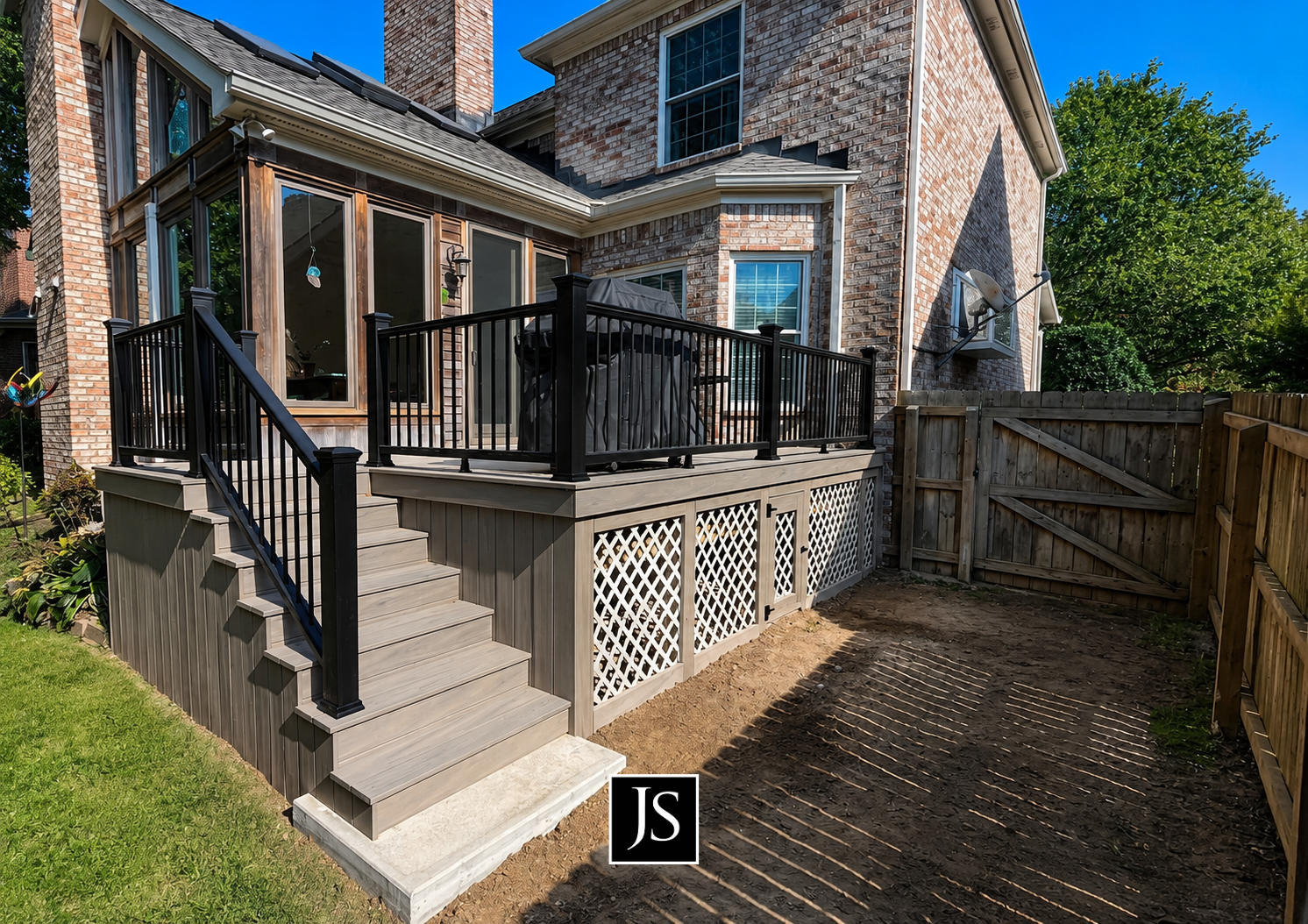
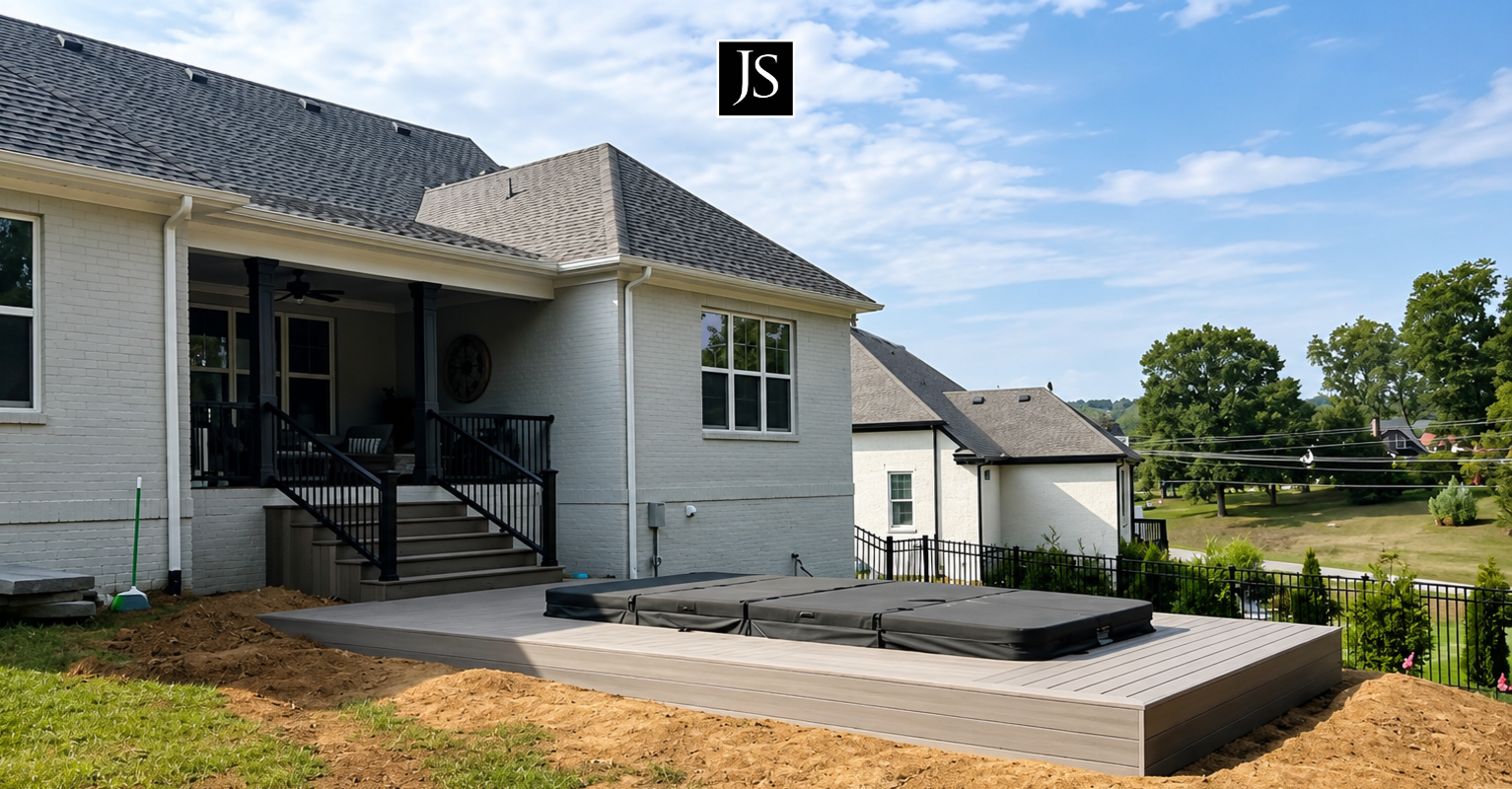
The deck surrounding your pool does a lot of heavy lifting. It affects safety, maintenance, and the overall visual tone of the backyard. If you want a low-maintenance option with a clean, finished look, composite materials are often a smart choice because they resist rot, fading, and many of the common issues that can affect wood over time. For a more budget-conscious option, pressure-treated lumber can still provide reliable performance when properly cared for, especially if you want to upgrade or expand the space efficiently. Explore our pressure-treated decks for a practical starting point.
If your current deck is already worn, unstable, or visually dated, replacement may be more cost-effective than repeated patch repairs. A refreshed deck can immediately change how the whole pool area feels. The right surface creates a cleaner frame for the water, seating, and plantings, which makes relaxation feel effortless rather than forced.
Think about safety and durability together.
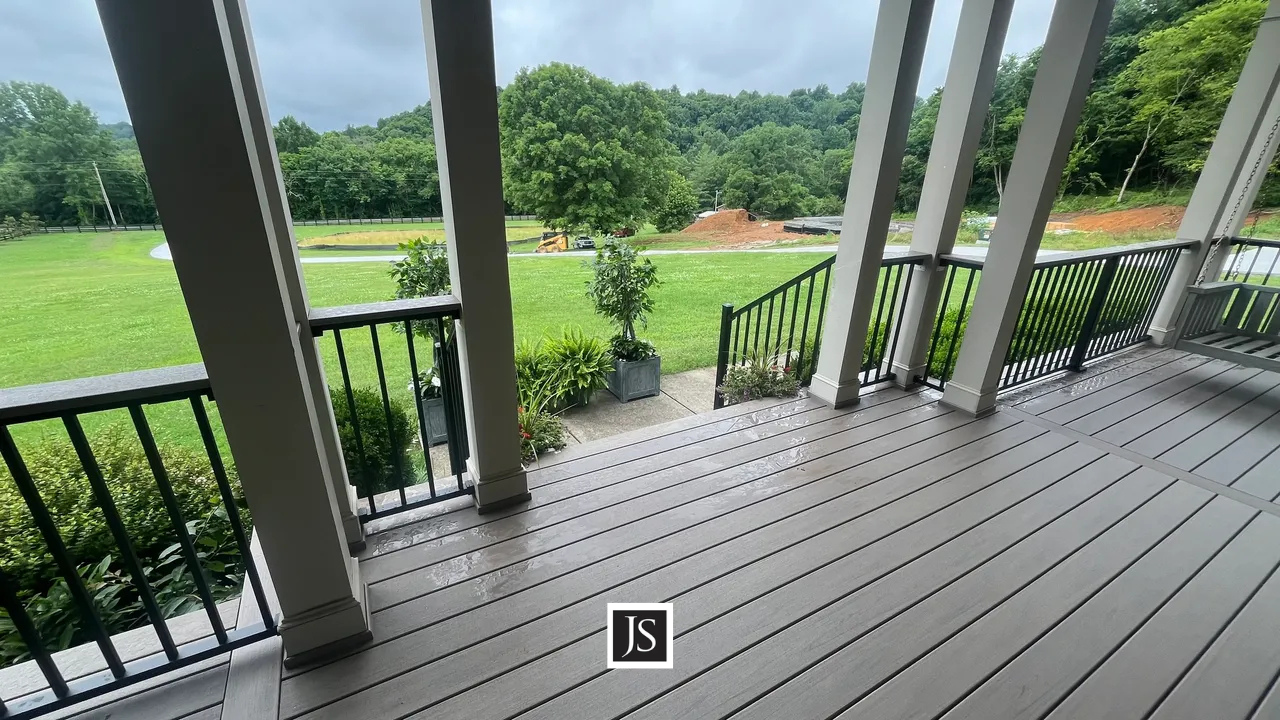
Poolside surfaces must do more than look good. They need to support regular traffic, handle moisture, and stay comfortable underfoot. That's why slip resistance, drainage, and structural stability should be part of the design conversation from the beginning. If you're comparing long-life options, our Trex decks and railings can provide a consistent look with reduced maintenance demands.
For homeowners looking for a durable, long-term solution, combining reliable materials with strong framing is essential. Resources from the Centers for Disease Control and Prevention remind us that outdoor spaces should encourage movement safely. Around a pool, that means solid surfaces, secure transitions, and a layout that makes it easy to enjoy the water without unnecessary risk.
Design for Privacy, Shade, and Comfort
Add shade where people naturally gather.
Shade is one of the most overlooked elements in a relaxing pool area. Even a beautiful space will feel less inviting if there's nowhere to escape the sun. Pergolas, covered seating zones, umbrellas, and partial roof structures allow people to stay outside longer and use the space throughout the day. Shade also protects furniture and makes dining areas much more enjoyable.
Well-placed shade can also highlight key parts of the design. For instance, a pergola over a lounge section can create a sense of intimacy without blocking views of the pool. Likewise, a covered porch nearby can serve as a transition point between the house and the backyard. If you're considering a more connected layout, our porch construction service can help create that smooth indoor-outdoor experience.
Use privacy solutions that feel lush, not closed in
Privacy should feel calming rather than restrictive. Tall hedges, layered shrubs, ornamental grasses, and trellises with climbing plants can screen views while preserving an open, garden-like atmosphere. Strategic planting is often more appealing than solid fencing because it adds life, movement, and seasonal interest. It also helps soften hard edges around the pool, which can make the space feel more serene.
According to the University of Minnesota Extension, choosing plants that match local conditions improves long-term success and reduces maintenance issues. That guidance is especially relevant near pools, where moisture, reflected heat, and splash exposure can challenge less resilient species. Native and adapted plants tend to handle these conditions better while still contributing to the relaxed atmosphere you want.
Layer seating for different moods
Comfortable seating isn't just about cushions. It's about offering options. Some people want a reclined lounger near the water, while others prefer upright chairs in a shaded conversation area. By layering seating types, you make the pool area more versatile and welcoming. The result is a space that supports solo relaxation, family time, and entertaining without feeling crowded.
Soft accessories can help, too. Outdoor pillows, neutral throws, and weather-resistant rugs add texture and warmth, but they should be used sparingly so the space stays uncluttered. A restrained palette usually works best around water because it feels cleaner and more restful.
Use Lighting to Extend the Calm Into the Evening
Choose layered lighting instead of one bright source.
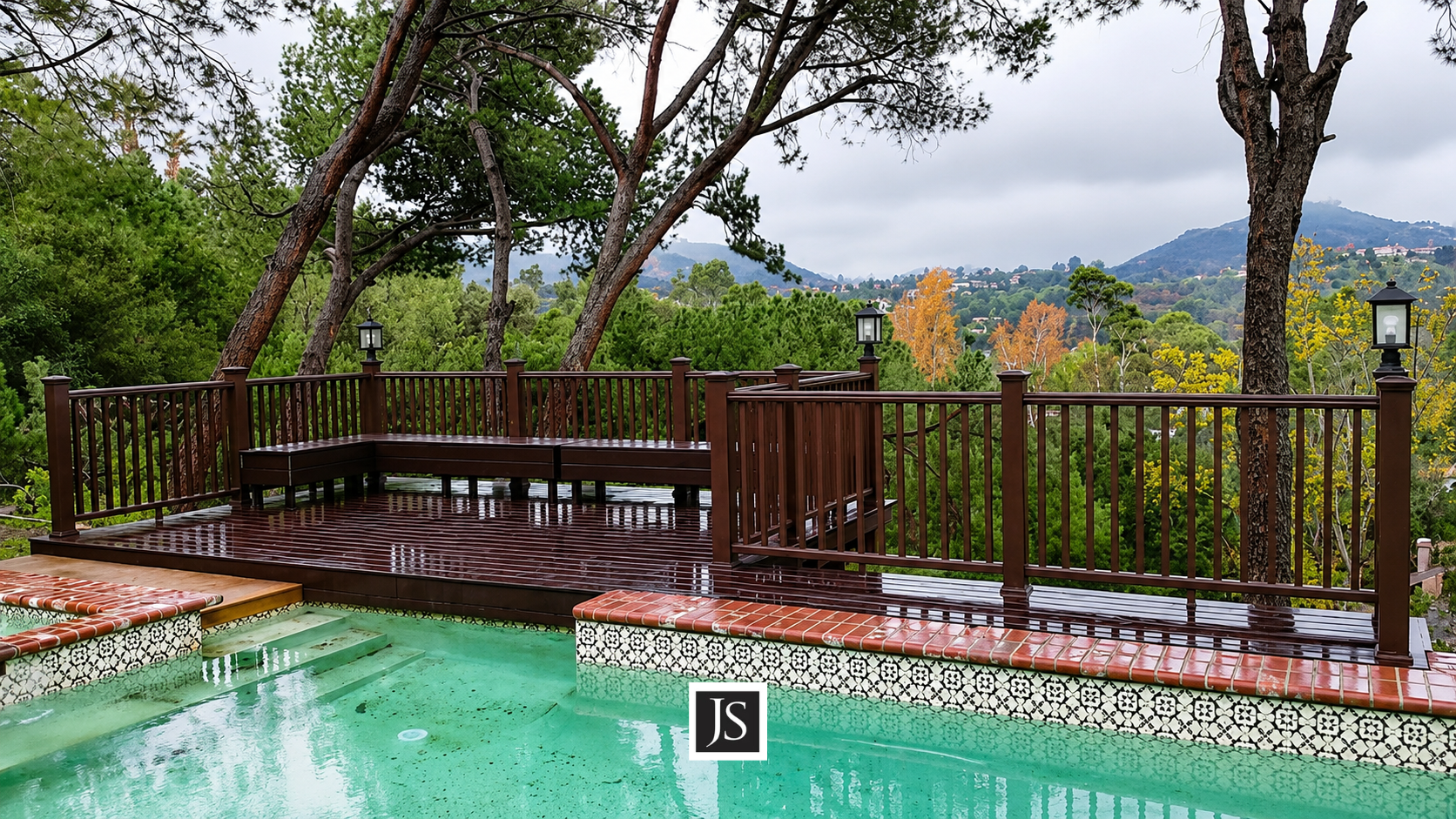
Lighting has a major effect on how relaxing a pool area feels after dark. A single overhead light can make the space feel harsh, while layered lighting creates depth and a more inviting mood. Use a combination of path lights, step lights, accent lights, lanterns, and low-voltage fixtures to highlight key features without overpowering the scene. This approach keeps the area usable while preserving the atmosphere.
Warm light is generally more soothing than cool white light in a relaxation setting. It reflects softly off water and stone, creating a gentle glow that encourages people to linger. If your pool area also includes seating, dining, or a cooking zone, lighting should support each function individually rather than treating the whole backyard the same way.
Highlight architectural and natural features.
Good lighting does more than make the area visible. It creates visual hierarchy. Uplighting a tree, washing a stone wall, or tracing the edge of a pergola can make the whole backyard feel more composed and elegant. It also improves safety by defining steps, transitions, and changes in elevation. The key is to keep the effect subtle, so the lighting feels like part of the environment rather than an obvious add-on.
Many homeowners find that lighting is what finally makes their outdoor project feel complete. During the day, the pool area may look attractive but functional. At night, layered light can transform it into a destination. That transformation is especially valuable if you want to entertain after work or enjoy quiet evenings outside without turning on bright floodlights.
Support Relaxation With Plants, Water Features, and Sustainable Choices
Bring in sensory details that calm the mind.
Plants and water features can dramatically improve the mood of a pool area. Fragrant plants, ornamental grasses, and gentle water movement add sensory richness that helps people unwind. The sound of water can mask neighborhood noise, while greenery softens the hard edges of decking and masonry. These details are small, but they have a large effect on how peaceful the space feels.
Design experts often recommend using repetition and restraint when selecting plants for a pool environment. Too many different species can make the area feel busy, while a limited palette creates cohesion. This is also a good place to use native and drought-tolerant options, especially if you want a healthier landscape with fewer irrigation demands. For guidance on efficient water management, the EPA WaterSense program is a helpful reference point.
Use sustainable practices that support long-term enjoyment.
Sustainability is not only about the environment; it is also about maintaining a space that stays beautiful and manageable. Permeable surfaces, smart irrigation, and hardy planting choices can reduce maintenance headaches and help the area perform better through changing seasons. In humid climates, these decisions matter even more because moisture can create wear faster than many homeowners expect.
Thoughtful sustainability also makes the pool area more adaptable. For example, permeable pathways can improve drainage, while native plants can reduce the need for constant replacement. The less energy you spend fighting the landscape, the more you can enjoy it. That is the ultimate goal of a relaxing outdoor space: beauty that feels easy to live with.
Learn From Real-World Poolside Retreat Ideas
Blend resort luxury with natural elegance.
High-end poolside spaces often borrow ideas from luxury hospitality while keeping the design rooted in everyday livability. One example that has influenced many homeowners is Sofía Vergara’s poolside retreat, which combines a resort-like feel with natural materials and a softened, elegant look. The lesson here is not to copy a celebrity style exactly, but to understand how texture, proportion, and simplicity can create a calm atmosphere. When those elements are translated into a residential setting, the pool area feels more personal and less formal.
That same principle applies to spaces with Mediterranean or coastal influence. Deep blue water, limestone-inspired surfaces, and warm lighting create a polished but comfortable environment. The details should support relaxation rather than compete for attention. In practice, that means selecting a few strong ideas and executing them consistently instead of trying to include every trend at once.
Practically, use functional luxury.
Kris Jenner’s pool area is another example of how layered elegance can work in a residential setting. The combination of refined finishes, solar-powered lanterns, and structured planting shows how luxury can still feel livable and environmentally aware. This kind of design works because it balances beauty with everyday use. You do not need a huge budget to borrow that mindset; you simply need a plan that prioritizes cohesion and comfort.
For homeowners who want a similar effect, the best approach is usually incremental. Start with the structure, then add lighting, furniture, and planting in stages. This allows each layer to support the one before it. If you are unsure where to begin, projects that improve framing, decking, and transition areas can deliver the biggest immediate impact.
Common Questions About Pool Area Design
How do I keep a dark pool finish clean?
Dark finishes are visually striking, but they do require regular upkeep. Because debris, calcium marks, and waterline stains can be more visible, consistent cleaning and water balancing are important. A weekly maintenance routine, combined with proper filtration and brushing, usually keeps the finish looking its best. Choosing surrounding materials that do not shed a lot of dust or organic debris can also help reduce the workload.
What if I have a small backyard?
Small spaces can still feel luxurious if the design is intentional. Cocktail pools or plunge pools work especially well on compact lots because they provide a relaxing place to cool off without dominating the yard. In small spaces, vertical planting, built-in seating, and multi-purpose decking can make a big difference. A compact plan often feels more relaxing than a larger, cluttered one because it is easier to move through and maintain.
How do I choose the right contractor approach?
The best contractor strategy is one that matches your goals, budget, and site conditions. If the project involves structure, shade, transitions, or multiple materials, it is usually worth working with a team that understands outdoor construction as a whole rather than treating each piece separately. Coordinated planning creates a better final result and helps avoid delays, mismatched materials, or safety issues. For homeowners evaluating next steps, an integrated project can often save time and improve long-term satisfaction.
Bring the Whole Design Together With a Cohesive Plan
Prioritize the features that matter most.
If you want a truly relaxing pool area, focus on the features that deliver the biggest emotional and practical payoff. In most cases, that means a smart layout, comfortable seating, balanced lighting, privacy, shade, and materials that feel natural and durable. When these elements work together, the space becomes easier to use and more enjoyable every day. A beautiful pool is important, but the surrounding environment is what turns it into a retreat.
Think long-term, not just seasonal.
Outdoor spaces should be designed to age well. That means choosing finishes, plants, and structures that can handle local conditions and still look good over time. It also means thinking about maintenance before installation, so the space remains easy to care for after the excitement of the project fades. If you want help planning a backyard that supports both comfort and value, consider how your pool area connects with the rest of your property and whether nearby upgrades could improve the experience.
Many homeowners also find that making improvements in stages is the smartest path. Start with structure and circulation, then add comfort features like shade and seating, and finish with landscape and lighting details. This creates a project that feels manageable while still moving toward a cohesive end goal. If your poolside area is part of a broader outdoor refresh, our new deck installation and outdoor living spaces services can help you build a plan that ties everything together beautifully.
Conclusion: Build a Poolside Retreat You Will Actually Use
Transforming your pool area into a relaxing outdoor space is all about combining thoughtful design with practical decisions. Clean lines, natural materials, layered lighting, defined zones, privacy screening, and comfortable seating all work together to make the backyard feel calmer and more inviting. When you add efficient landscaping, durable construction, and features that fit your daily habits, the result is not just attractive, but genuinely enjoyable.
If you are ready to improve your outdoor space, start by identifying the one change that would make the biggest difference in how you use the area. For some homeowners, that is a better deck surface. For others, it is shade, lighting, or a more cohesive layout. Whatever your priority, a well-planned project can turn an ordinary pool into a retreat that feels restful, beautiful, and easy to maintain. Contact JS Decking & Renovation to discuss your goals and take the first step toward a more relaxing backyard.