Making your backyard a place you want to hang out every day isn't just about throwing in a few features. It's all about planning a space that fits how you live. When done right, your outdoor area can be where you sip your morning coffee, have family dinners, dive into a good book, host weekend parties, or unwind in the evening. The best designs mix comfort, function, and style, so your backyard feels like a natural extension of your home.
That's why things like zoning, durable materials, privacy, lighting, and low-maintenance landscaping are so key. If you're looking into custom outdoor living spaces, you'll find that even small planning choices can make a big difference in how often you use your yard. Whether you're starting from scratch or tweaking what you've got, this guide will help you create a backyard that works in every season.
Why Backyard Design Matters More Than Ever
Outdoor living is now part of daily life.
Backyards aren't just patches of grass anymore. They're becoming active spaces where people cook, relax, gather, and recharge. A well-thought-out outdoor area can boost your quality of life by letting you enjoy fresh air without leaving home. For many families, it becomes the most flexible "room" on the property.
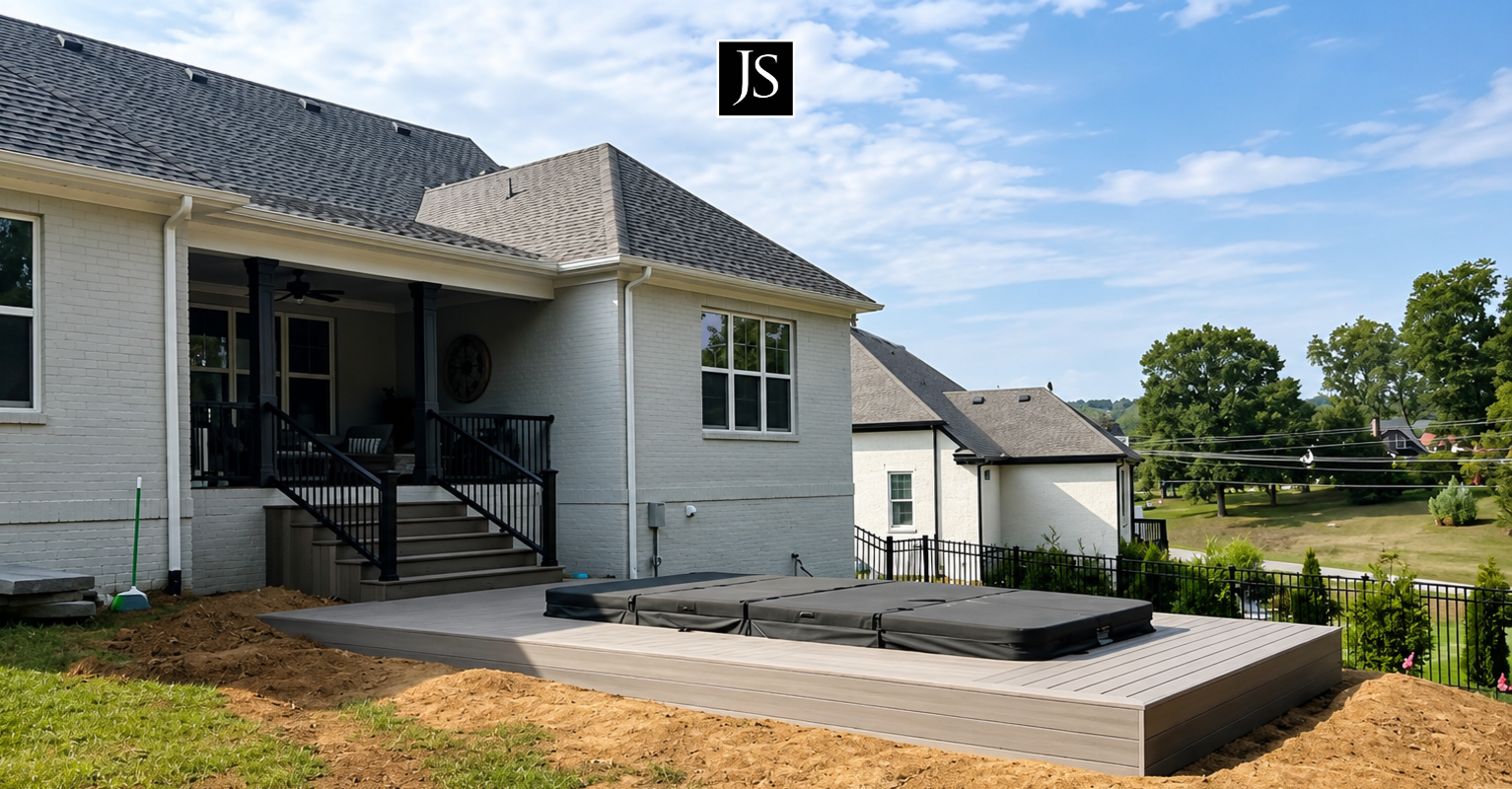
This shift is backed by what buyers want and lifestyle trends. A study from This Old House, Houzz, and the National Kitchen & Bath Association found that 75% of homebuyers prioritize outdoor living spaces. Many of these projects can also add value to your home when it's time to sell. So, a backyard upgrade can support both everyday enjoyment and long-term investment. If you're thinking about future projects, it might be smart to look into options like new deck installation early on.
Function and comfort should guide every choice.
The best backyards are designed around how you'll actually use the space. Do you want an outdoor dining area, a play zone, a quiet corner for reading, or a spot to host friends? Once you know your priorities, the rest of the design falls into place. Furniture, pathways, shade structures, planting beds, and lighting can all be chosen to support your goals.
Comfort also hinges on easy-to-overlook details. Traffic flow, sun exposure, surface temperatures, privacy, and storage all affect whether the backyard feels inviting. A pretty yard that's uncomfortable, noisy, or hard to maintain usually gets used less often. Practical planning turns a nice yard into a space you love every day.
Use Purposeful Zoning to Organize the Space
Create distinct activity areas.
Purposeful zoning is a big trend in outdoor design. Instead of treating the backyard as one open area, divide it into zones for specific functions like dining, lounging, gardening, and quiet retreat. This creates order and makes even a modest yard feel more spacious. It also helps each part of the yard serve a clear purpose.
You can separate zones with changes in pavers, planters, pergolas, low walls, hedges, or furniture placement. For instance, a dining area might be near the kitchen door, while a lounge area is farther away for privacy. A small reading nook could be tucked beside a fence with layered plants for screening. If you need structure and shade to define these spaces, consider gazebo and pergola construction as part of the layout.
Think in terms of flow, not just square footage.
Your backyard should be easy to move through. The paths between zones need to be logical, direct, and wide enough for everyday use. If guests have to awkwardly weave around furniture or step across muddy patches, the design gets frustrating. Good flow makes the yard feel larger and more comfortable without needing more land.
Try sketching a simple map of how people will move from the house to the deck, from the deck to the grill, and from the grill to the seating area. Then place hardscape and furniture in ways that support those routes. This is especially valuable when working with a contractor on a full deck replacement and remodeling project, because the new structure can be designed around how you'll use the space every day.
Choose Materials That Look Good and Last
Natural materials create warmth and texture.
Stone, wood, gravel, and other natural finishes are popular in backyard design because they connect you to the landscape. These materials feel welcoming and visually grounded, especially when paired with plants and layered lighting. They also add texture, helping the backyard feel more complete and intentional.
The trend toward natural materials is supported by outdoor design reporting from industry sources. Stone paths, cedar accents, and gravel borders can soften the look of a large yard while keeping maintenance manageable. For those comparing structure and upkeep, a pressure-treated deck can be a practical starting point when budget matters.
Low-maintenance options save time over the long term
Many folks want a space that looks polished without constant upkeep. Composite decking, durable pavers, and drought-tolerant planting beds help reduce weekly maintenance while still delivering a clean, attractive result. This matters because a backyard is only valuable if you enjoy using it regularly instead of spending every weekend maintaining it.
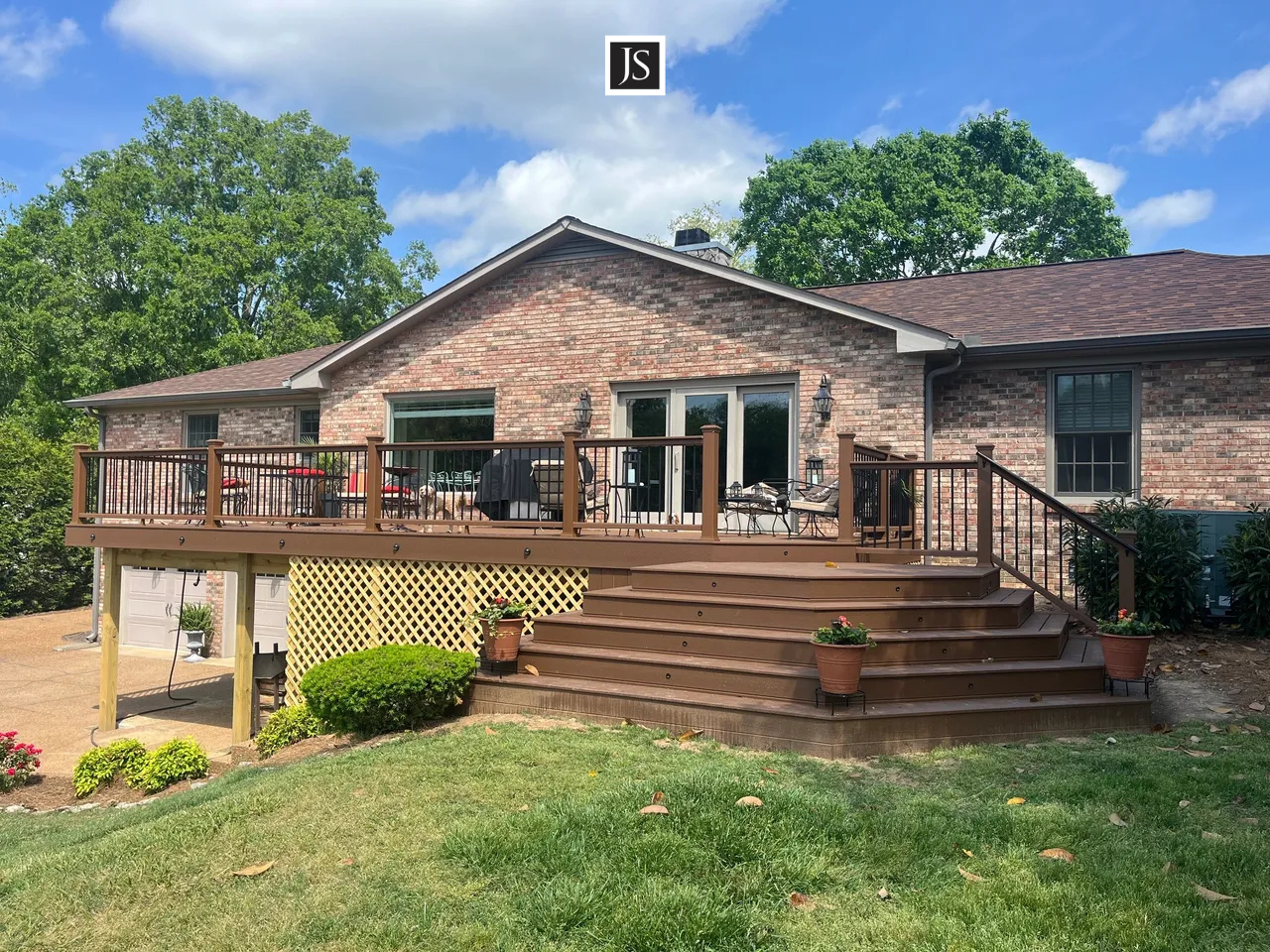
Low-maintenance choices also perform better in changing weather. The 2026 U.S. Houzz Outdoor Trends Study noted that 71% of homeowners hired at least one pro for their outdoor projects, suggesting people are more willing to invest in smarter, longer-lasting solutions. If you're comparing decking materials, composite decks are worth considering for their resistance to rot, fading, and routine wear.
Build Privacy and Shade Into the Design
Layered planting adds screening naturally.
Privacy is one of the most important ingredients in a backyard retreat. Without it, even the most attractive space can feel exposed and uncomfortable. Layered planting is an effective way to create privacy while adding depth and softness to the overall design. Tall screening plants, mid-height shrubs, and ground covers work together to build a more secluded atmosphere.
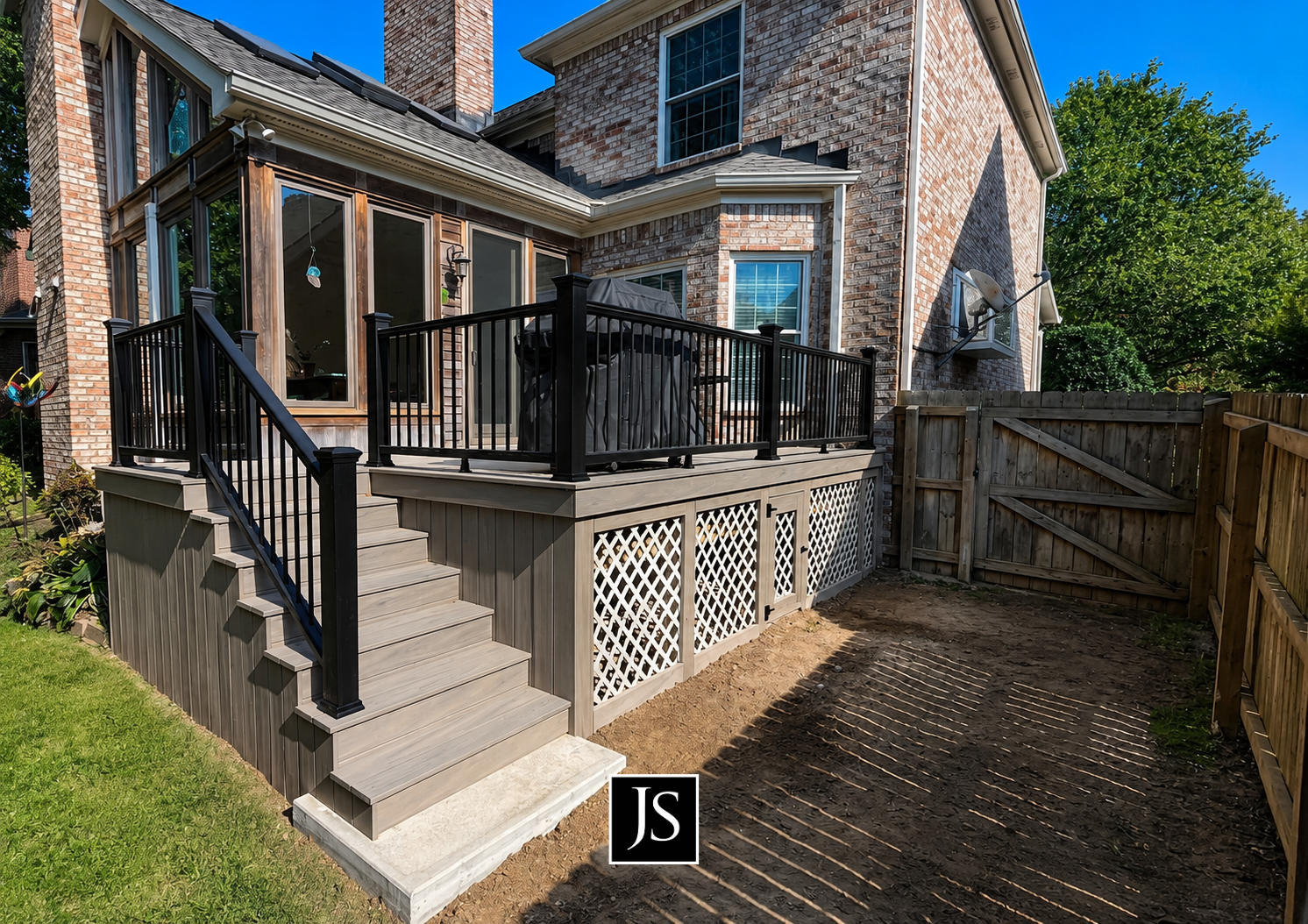
This layered approach also creates a richer visual experience. Instead of one flat row of shrubs, you get dimension, color variation, and seasonal interest. In smaller yards, this can make the space feel more luxurious and thoughtfully designed. For homes with tighter outdoor footprints, combining planting with Trex deck and railing installation can create a clean, private, and low-maintenance setting.
Shade structures make the backyard usable longer each day
Shade is essential if you want to spend time outside during hot afternoons or intense sun. Pergolas, covered porches, umbrellas, and roof extensions can reduce heat and make seating areas far more comfortable. They also help define outdoor rooms and visually connect different areas of the yard.
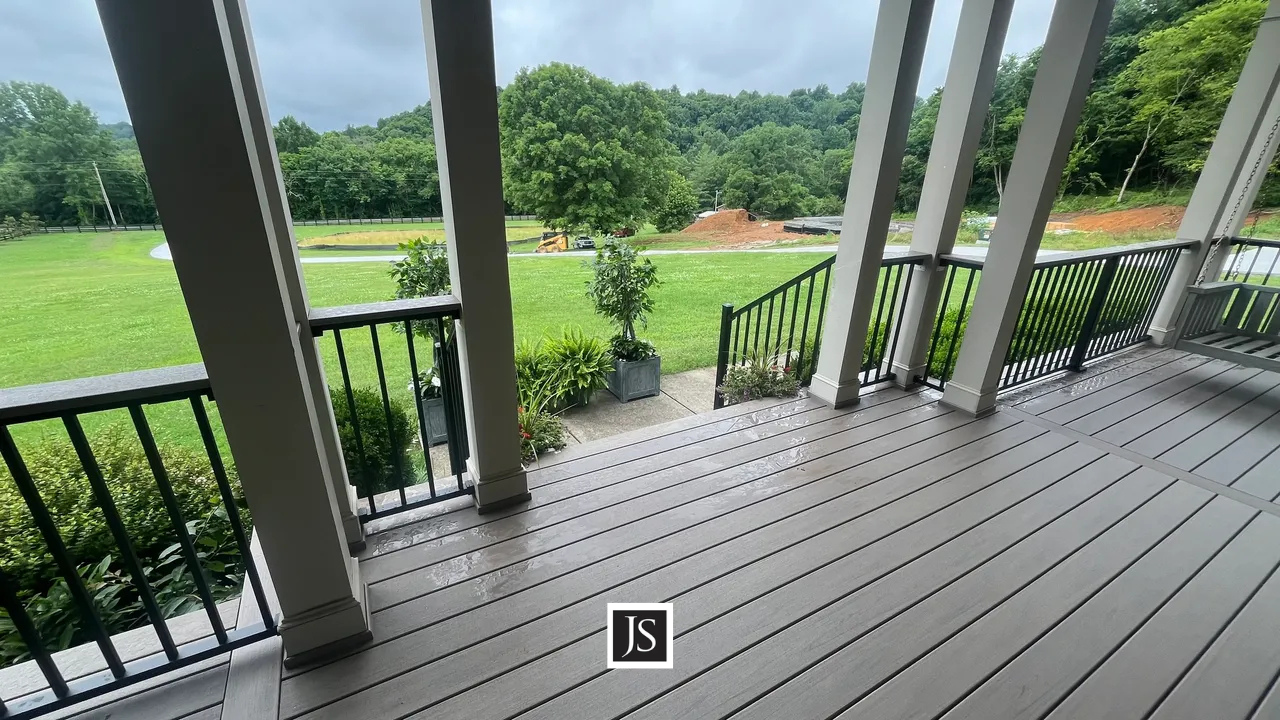
Homeowners who want a sheltered space for reading, dining, or entertaining should think carefully about overhead coverage early in the design process. A well-placed structure can extend the hours you spend outside and make the backyard feel useful in more weather conditions. For covered entry areas and transitional spaces, porch construction can provide a natural bridge between indoor comfort and outdoor living.
Use Smart Lighting to Extend the Day
Layer ambient, task, and accent lighting
Lighting is one of the most powerful tools in backyard design because it changes both function and mood. Ambient lighting provides overall visibility, task lighting helps with cooking or dining, and accent lighting highlights trees, architecture, or planters. Together, these layers make the yard feel welcoming after dark and safer for everyday movement.
Lighting also has a strong effect on how a space feels emotionally. Soft path lighting and plant uplighting can make the backyard feel calm and elegant, while bright overhead fixtures may make it feel more utilitarian. For design inspiration, many homeowners review professional examples in the gallery before deciding how to balance brightness, style, and placement.
Prioritize safety and energy efficiency.
Good lighting should look beautiful, but it should also prevent trips, falls, and dark corners. Steps, railings, transitions, and elevation changes should be easy to see at night. Energy-efficient LED fixtures are a practical choice because they last longer and use less power than older bulbs.
For exterior safety guidance, homeowners can review federal lighting and energy information from the U.S. Department of Energy. Small upgrades, like low-voltage path lights or motion-activated fixtures, can improve both convenience and security without overwhelming the design. In many cases, the best lighting plan is subtle, layered, and focused on usability rather than drama.
Make Sustainability Part of the Plan
Native and drought-tolerant plants reduce maintenance.
Sustainable landscaping is a big priority for folks who want attractive yards without excessive water use or constant upkeep. Native plants and drought-tolerant species are often a strong fit because they are adapted to the local climate and typically require less intervention once established. This can lower water bills and make plant care simpler over time.
According to the U.S. Environmental Protection Agency, outdoor water use accounts for a significant portion of residential water consumption, especially in warmer months. Choosing better plants, efficient irrigation, and permeable materials can reduce waste and support healthier landscapes. If your project includes hardscape changes, it might also be wise to pair the design with outdoor living spaces that balance beauty and environmental performance.
Permeable materials support drainage and the environment
Backyard design should account for rainwater movement and soil health. Permeable pavers, gravel paths, and planted borders allow water to move more naturally through the site, reducing runoff and standing water. These choices are especially useful when you want a backyard that stays cleaner and more usable after heavy rain.
In addition to protecting the landscape, permeable materials can help reduce erosion and improve the long-term performance of the yard. This matters in any region with seasonal storms or changing weather patterns. Sustainable decisions often pay off twice: they improve the environment and make the space easier to live with every day.
Learn from Real-World Backyard Transformations
Small yards can still feel luxurious.
One of the most useful lessons from recent design trends is that size doesn't determine success. A compact backyard can feel generous when the layout is intentional, and the materials are chosen carefully. A tropical-style small backyard makeover, for example, may use layered planting, warm stone, and simple furniture to create the feeling of a private retreat.
This kind of transformation works because it focuses on mood and function instead of trying to cram in every possible feature. A small space might include a dining corner, a path, and a secluded lounge area, all organized around one strong focal point. The result is often more inviting than a larger but less coordinated yard.
Artificial turf and pavers can simplify maintenance.
In Southern California and other climates where homeowners want lower upkeep, turf and paver combinations are gaining popularity. The appeal is easy to understand: the surface is clean, visually consistent, and much simpler to manage than a traditional lawn. When installed thoughtfully, it can create a polished look that supports everyday use without constant mowing.
While every climate is different, the same principle applies broadly. Choose materials and plantings that suit your actual routine, not an idealized version of it. If your household prefers entertaining and relaxation over weekly yard work, a low-maintenance layout may be the smartest investment you can make.
Plan for Outdoor Cooking, Entertaining, and Relaxation
Build around how you want to spend time.
Daily-use backyards often work best when they support more than one activity. An outdoor kitchen, a dining table, and a lounge zone can all coexist when the layout is planned carefully. The key is to give each area enough room to function without crowding the others.
Outdoor kitchen design should also consider ventilation, prep space, storage, and proximity to the house. A grill area that's too far from the kitchen becomes inconvenient, while a dining area placed in full sun may go unused. The best results come from a balanced plan that supports cooking, serving, and casual conversation.
Use features that encourage everyday use.
Backyard spaces are more likely to be used daily when they feel easy to access and easy to enjoy. Comfortable seating, soft lighting, a clear walking path, and a bit of shade go a long way. Features like built-in benches or simple privacy screens can also make the space feel more intentional without requiring a large budget.
If your goal is to create a setting that feels finished and versatile, think of the yard as a sequence of experiences. First comes arrival, then seating, then gathering, then quiet retreat. That perspective helps you prioritize the features that matter most and avoid spending money on elements that do not improve daily life.
Know When to Repair, Replace, or Upgrade
Safety issues should never be ignored.
Backyard enjoyment depends on safety. Loose railings, soft boards, sagging steps, and rusted hardware can turn a favorite space into a risk. If a deck or porch is showing signs of wear, it is important to address the problem before it becomes more expensive or dangerous. Regular inspections are one of the simplest ways to protect the value of your outdoor area.
For homeowners who suspect structural issues, it may be time to review options like railing replacement and repair or a broader remodel. You can also read more about warning signs in our guide on 5 Signs Your Deck Needs Repair Before It Becomes Dangerous. Catching problems early can save money and help preserve the design you already love.
Replacement can be the smarter long-term decision.
Sometimes a full replacement makes more sense than repeated patchwork repairs. If the framing is weak, the layout is outdated, or the materials no longer perform well, rebuilding can provide a safer and more attractive result. A new structure also gives you the chance to redesign the backyard around better zoning, better traffic flow, and better materials.
This is where professional planning makes a major difference. A thoughtful rebuild can solve old problems and create opportunities for new features such as shade structures, lighting, and better access to the rest of the yard. In many cases, the best outdoor spaces begin with a decision to stop fixing a broken layout and start designing a better one.
A Practical Backyard Checklist for Daily Enjoyment
Start with the essentials.
If you want to create a backyard you will use every day, begin with the basics: seating, shade, lighting, and a clear layout. Then add one or two features that reflect your lifestyle, such as a grill zone, a garden corner, or a quiet spot for reading. Keeping the plan focused helps prevent overspending and design clutter.
- Define the main purpose of each zone before choosing materials or furniture.
- Use durable surfaces that fit your maintenance preferences.
- Add layered lighting for safety and evening use.
- Include privacy and shade so the space feels comfortable.
- Choose plants strategically for color, texture, and lower upkeep.
Work with professionals when the project calls for it.
Many backyard projects become easier and more successful with professional guidance, especially when structures, railings, or drainage are involved. A skilled contractor can help coordinate design, materials, and safety details so the final result looks cohesive. In Franklin, homeowners often want outdoor spaces that feel tailored to the home and the neighborhood, which makes experience especially valuable.
If you are ready to explore a stronger layout, safer structure, or more polished entertaining space, you can start by reviewing options like composite decks or a more complete deck replacement and remodeling plan. For local inspiration, the right design can also be shaped around the character of your property and the way your family uses outdoor space. That is especially true when working in a community such as Franklin, where outdoor living is a major part of home value and everyday comfort.
Conclusion: Create a Backyard You Truly Live In
The best backyards are not the most crowded or the most expensive. They are the ones that feel easy to use, pleasant to spend time in, and adaptable to your routine. Purposeful zoning, durable materials, layered planting, privacy, lighting, and sustainability all work together to make that possible. When these elements are planned carefully, the backyard becomes a place you return to every single day.
Whether you want a peaceful retreat, a family gathering area, or a fully functional outdoor entertaining space, the right design choices can transform your property. Start with your priorities, identify what frustrates you about the current layout, and build from there. If you are ready to take the next step, connect with JS Decking & Renovation to explore a backyard design that feels beautiful, functional, and easy to enjoy for years to come.