Creative Backyard Design Tips for a Cozy, Stylish Outdoor Space
Transforming your backyard into a space that's both cozy and stylish takes a little more than just tossing in a few chairs and a grill. Nowadays, the best outdoor spaces are crafted with intention, using smart layouts, durable materials, and thoughtful details that make your yard feel like a true part of your home. Want a space that looks polished and supports everyday living? The trick is combining design trends with practical planning.
This guide will show you some effective ways to shape a backyard that fits real life. We'll cover zoning, shade, sustainable landscaping, and modern outdoor living spaces, helping you create a yard that's beautiful, functional, and easy to enjoy. Along the way, we'll highlight current trends, expert insights, and a few homeowner-friendly strategies to simplify the process.
Backyard design is more important than ever, especially since outdoor areas can boost home value and daily comfort. A study from 2025 found that 75% of homebuyers prioritize outdoor living spaces, with many projects returning their full cost at resale. So, thoughtful planning isn't just a lifestyle upgrade; it's a smart investment. For more ideas on how design and structure can work together, check out our custom deck ideas and our new deck installation services.
Before you start buying furniture or plants, take a step back and view your backyard as a complete environment. The goal is to create a space that feels cohesive in every season, supports how you use it, and matches the architecture of your home. Done well, backyard design can improve convenience, reduce upkeep, and increase the time your family spends outside.
Start with a Purpose-Driven Backyard Plan
Define how you want the space to function.
The first step in designing a stylish backyard is deciding what you want the space to do. Some folks want a quiet retreat for reading and relaxing, while others need space for dining, entertaining, cooking, or kids' play. A clear purpose guides every choice, from layout to material selection, and prevents the yard from feeling random or overcrowded.
Experts are leaning towards purpose-driven design over purely decorative layouts. According to the TurfMutt Foundation, 2026 is shaping up to be the year of landscapes where every feature has a purpose. Your patio, plantings, pathways, and seating areas should all work together to support your lifestyle. Need a broader planning framework? Check out our guide to designing the perfect deck.
Create zones for different activities.
Zoned layouts make a backyard feel organized and comfortable. Instead of placing everything in one open area, divide the yard into dedicated spaces for cooking, dining, lounging, gardening, and relaxing. This makes the space easier to use and gives each area its own visual identity.
For instance, a dining zone might sit closer to the house for convenience, while a lounge area could be farther out for more privacy. A shaded reading nook or fire feature can become its own destination. This kind of planning also makes a backyard feel larger because the eye sees it as a series of connected experiences, not a single flat zone.
Think about flow and circulation.
Good backyard design should feel easy to move through. Paths should connect major activity areas without making people cross through furniture arrangements or landscaping beds awkwardly. When circulation is handled well, the space feels calm and natural, even when busy with guests.
Consider how people move from the kitchen to the grill, from the patio to the lawn, or from a porch to a seating area. Planning structural improvements like porch construction or a custom transition between indoor and outdoor living can greatly improve flow. The more seamless the movement, the more inviting the backyard will feel every day.
Choose Materials That Balance Style and Durability
Use natural materials for warmth and character.
Natural materials are a hit in outdoor design because they add warmth, texture, and a timeless look. Stone, wood, and metal can be combined in ways that feel both modern and grounded. When selected and maintained properly, these materials also age gracefully, which is important in a backyard that gets year-round use.
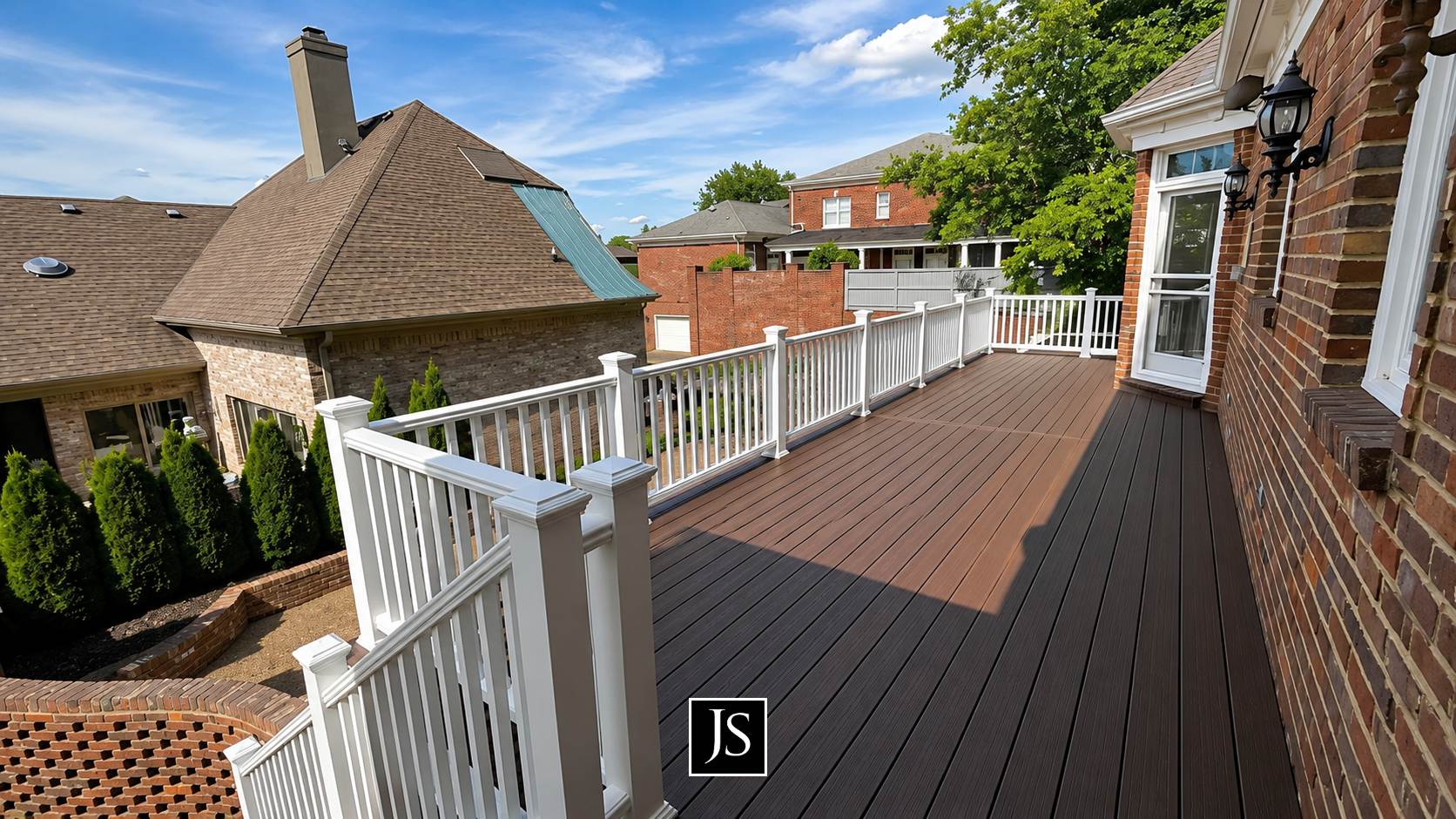
Wood adds softness, while stone provides permanence and structure. Metal details can give a clean, architectural edge that keeps the space from feeling too rustic. If your project includes a deck or platform area, material choice matters even more. You might want to compare composite decks with pressure-treated decks based on durability, maintenance, and style goals.
Consider low-maintenance options for busy homeowners.
Backyard comfort shouldn't require constant upkeep. That's why low-maintenance materials are in high demand. Composite decking, weather-resistant furniture, powder-coated metal, and engineered stone surfaces all reduce maintenance while still delivering a premium look.
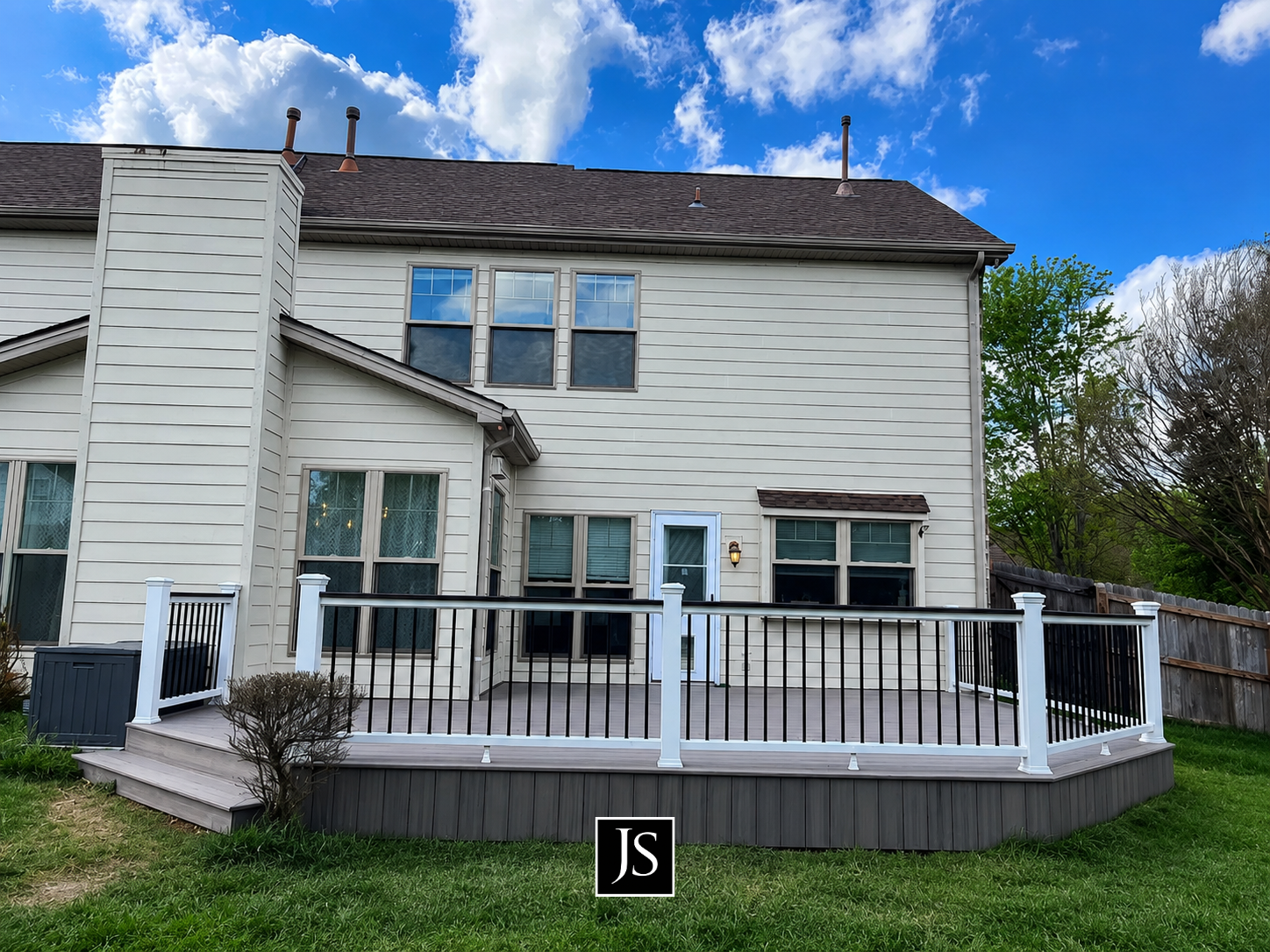
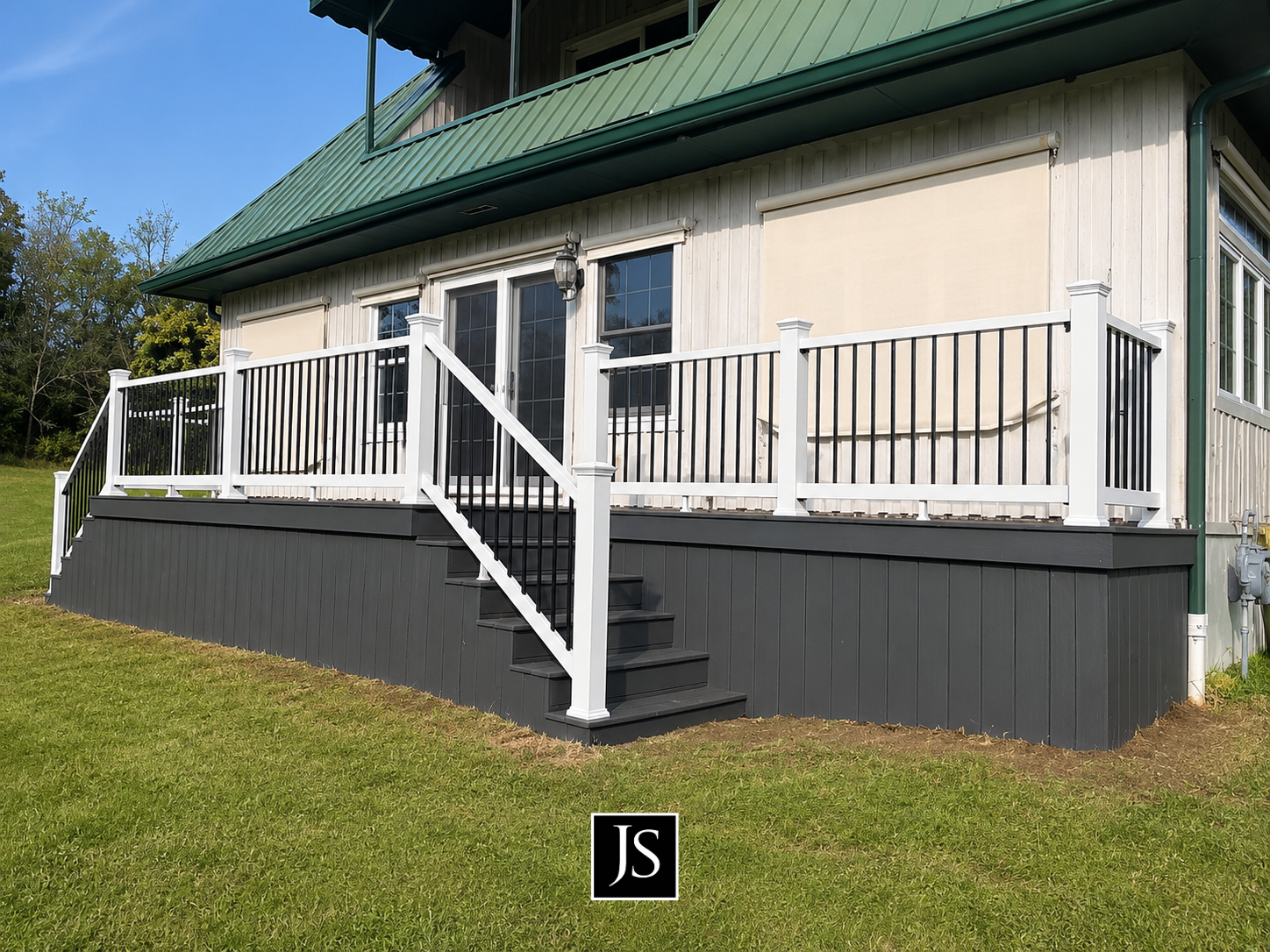
Homeowners in busy households often find that practical materials create more enjoyment over time because there's less cleaning, sealing, staining, or replacing. This is especially important for families who want to spend more time using the backyard and less time maintaining it. If you're exploring longer-lasting deck options, our Trex decks and railings service is a great example of how style and ease can work together.
Match finishes to the home’s architecture.
The most stylish backyards look connected to the house, not separate from it. That's why finish selection should reflect your home’s existing materials and color palette. A brick home may pair well with softer stone and dark metal accents, while a painted exterior might look best with cleaner lines and warmer wood tones.
Designers are moving toward tonal color schemes instead of harsh contrast. Using shades from the same color family creates a softer, more immersive environment that feels calm rather than busy. This approach works especially well outdoors, where you want the landscape and built features to complement one another rather than compete for attention. For more ideas on creating a visual flow, see our deck upgrades guide.
Build Comfort with Shade, Seating, and Shelter
Add shade structures for year-round usability.
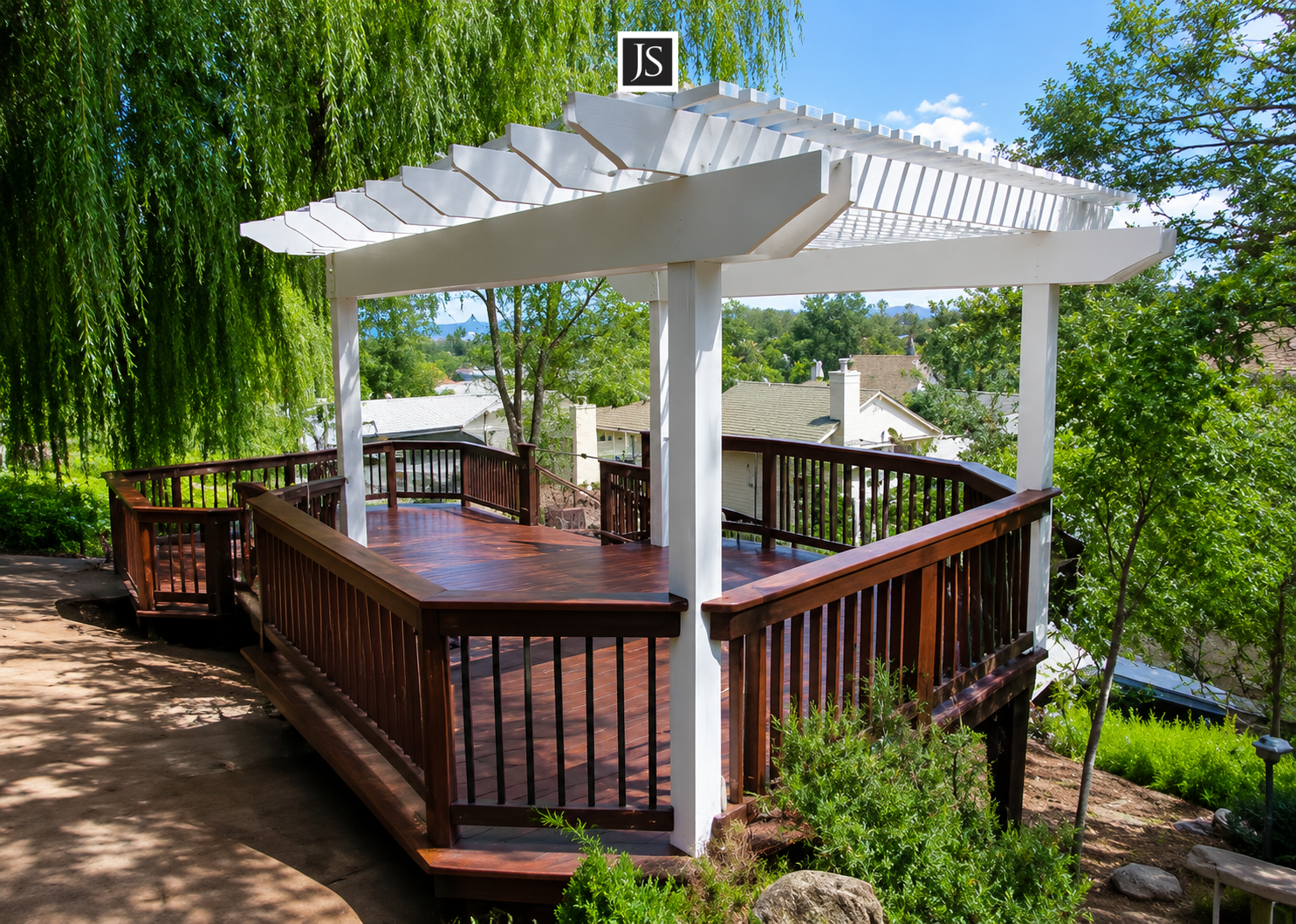
Shade is a key comfort feature in any backyard. Without it, even the most beautiful outdoor space can become hard to enjoy during hot afternoons or bright summer weekends. Pergolas, gazebos, shade sails, and covered porches all help control sunlight and make the yard more usable for longer periods.
In warmer climates, shade can turn a backyard from a seasonal feature into a daily living space. In Franklin and surrounding areas, where summers can get hot, structures that block strong sun while still allowing airflow are especially valuable. For a custom solution, our gazebo and pergola construction service can add visual interest and practical comfort.
Choose seating that encourages conversation.
Comfortable seating is about more than cushions. It's about arrangement, scale, and how the furniture supports interaction. A good backyard seating plan should make conversation easy, allow for multiple group sizes, and leave enough space for movement. Sectionals, lounge chairs, benches, and dining sets all have a role, depending on how you use the space.
Modular furniture is especially useful because it can be rearranged for different events. A casual family evening might call for a relaxed lounge setup, while a weekend gathering may need more open seating around a table or fire pit. The goal is flexibility, so the backyard can adapt without feeling crowded.
Extend comfort into the evening.
Lighting is one of the simplest ways to make a backyard feel more welcoming. Soft ambient lighting, path lights, and task lighting for cooking or dining can extend the use of the space well past sunset. Smart outdoor lighting systems can even be adjusted by schedule or app, making the backyard easier to manage.
According to energy and design professionals, layering lighting helps create both safety and atmosphere. Good lighting also improves the appearance of plants, textures, and architectural details after dark. If your outdoor area includes stairways, railings, or elevated platforms, a service like railing replacement and repair can improve both safety and visual polish.
Use Sustainable Landscaping to Improve Beauty and Performance
Choose native plants and climate-friendly greenery
Sustainable backyard design isn't just a trend; it's a practical way to build a low-stress outdoor space. Native plants typically need less water, fewer chemicals, and less maintenance because they're adapted to local conditions. They also support pollinators and wildlife, making the yard healthier and more dynamic.
For homeowners in Tennessee, native options like Eastern Redbud and American Holly can provide color, structure, and seasonal interest while still fitting the local climate. If you want to reduce watering demands and create a more natural look, start with plants that thrive where you live. The U.S. Department of Agriculture offers plant recommendations that are reliable and easy to follow.
Reduce water use with smarter design.
Eco-friendly backyard design often begins with water efficiency. That can include grouping plants by water needs, installing drip irrigation, collecting rainwater, and using mulch to reduce evaporation. These simple choices can lower maintenance costs while helping the landscape stay healthier through dry periods.
Thoughtful grading and drainage also matter. A backyard that drains properly is easier to maintain and less likely to develop muddy areas, erosion, or plant stress. If you're planning a broader outdoor upgrade, pairing landscaping with a new deck or hardscape can create a much cleaner, more durable outdoor environment.
Support biodiversity without sacrificing style.
A sustainable backyard can still look refined. In fact, biodiversity often adds beauty by introducing varied textures, seasonal blooms, and natural movement. Planting shrubs, grasses, and pollinator-friendly flowers can create layers that feel sophisticated rather than chaotic.
Experts from organizations like the National Wildlife Federation emphasize that wildlife-friendly landscapes can be both functional and attractive. The key is balance: avoid overplanting, keep edges clean, and use repetition to create a polished feel. That way, sustainability becomes part of the design language instead of a separate goal.
Integrate Smart Technology for Convenience
Automate lighting and irrigation
Smart technology has become a major part of outdoor design because it simplifies routine tasks. Automated lighting can make the backyard feel inviting every night without requiring manual control, and smart irrigation can adjust watering based on weather or soil conditions. These features save time and can improve energy and water efficiency.
For homeowners who want a space that feels high-end without added hassle, automation is one of the best upgrades available. It's especially helpful for people who travel often or have busy schedules. When combined with a well-planned layout, technology can quietly support the space without drawing attention to itself.
Add functional technology where it makes sense.
Outdoor speakers, weather-resistant outlets, and integrated charging points can also improve everyday use. The key is to add technology intentionally rather than cluttering the yard with visible devices. Each component should serve a purpose and blend into the overall design.
If you're building a more advanced entertainment area, think about where power, lighting, and equipment will be used most often. A well-designed outdoor kitchen or lounge becomes much easier to enjoy when technology is integrated early in the planning process instead of added later as an afterthought.
Make your system easy to maintain
Technology should make the backyard simpler, not more complicated. Choose systems with clear controls, durable outdoor-rated parts, and features you'll actually use. A small setup that works reliably is far better than an oversized system that's difficult to manage.
If you want guidance on how technology fits into a broader outdoor project, it helps to work with a contractor who understands both structure and function. That balance is especially important in projects that combine lighting, decks, shade structures, and cooking areas into one cohesive design.
Design an Outdoor Kitchen or Entertaining Area
Follow the modular outdoor kitchen trend.
One of the biggest backyard trends for 2026 is modular outdoor kitchens. These setups bring flexibility and luxury together, allowing homeowners to build a cooking area that matches their exact needs. High-end materials like powder-coated metal, natural woods, and stone help the space look more like an interior extension than a temporary grill station.
According to Homes & Gardens, homeowners increasingly want integrated lighting, customized storage, and multifunctional appliances like pizza ovens. The best outdoor kitchens are not only attractive but also highly usable for both casual meals and larger gatherings.
Keep dining and cooking areas connected.
For entertaining, proximity matters. The closer the cooking zone is to the dining area, the easier it is to serve food, refill drinks, and stay connected with guests. At the same time, there should still be enough separation for comfort, especially if multiple people are using the space at once.
Consider how your deck, patio, or porch can support that flow. A thoughtful layout may include prep space near the grill, a serving counter, and a nearby dining table with comfortable lighting overhead. For homeowners considering a larger structural upgrade, our deck replacement and remodeling service can help modernize an old layout into a more functional entertaining hub.
Make entertaining feel effortless.
The best entertaining spaces feel easy to use because the essentials are built in. Storage for dishes, durable countertops, hidden trash solutions, and weather-resistant finishes all reduce friction when hosting. That means you spend less time preparing and cleaning up, and more time enjoying the gathering itself.
According to outdoor living trend reports, people are increasingly treating backyards as full lifestyle spaces rather than occasional-use areas. That shift has helped drive demand for better planning, better finishes, and more multifunctional features that make everyday use feel special.
Plan for Style That Lasts Through the Seasons
Choose a tonal color palette.
One of the clearest style shifts in outdoor design is the move toward tonal color schemes. Instead of bold contrasts, designers are layering shades within the same color family to create depth and calm. This approach works especially well in backyards, where too many competing colors can make the space feel fragmented.
Using tonal greens, warm grays, sandy neutrals, or soft browns can make furniture, pavers, and plantings feel unified. It also helps the eye move smoothly through the yard. If you want a style that feels current but not trendy, tonal design is a smart choice because it tends to age gracefully.
Use texture to add interest.
When color is understated, texture becomes more important. Mix smooth stone with natural wood grain, woven seating, plush cushions, and leafy plants to create a layered look. This helps the backyard feel sophisticated without relying on bright accents or busy patterns.
Texture also contributes to comfort because it makes the space feel warmer and more inviting. Even simple upgrades like a patterned rug, matte-finish planters, or a wood-accent wall can dramatically improve the mood of the yard.
Think beyond summer
A well-designed backyard should feel useful even when temperatures change. Covered areas, wind protection, fire features, and evergreen planting can keep the space attractive through more of the year. That's important for homeowners who want an investment that supports daily life rather than only warm-weather gatherings.
Seasonal design is also about maintenance. Choose materials and plants that look good in multiple seasons, and avoid layouts that depend too heavily on a single decorative moment. Long-lasting beauty is usually the result of simple, durable choices made with a full year in mind.
Local Considerations for Franklin Homeowners
Design for heat, humidity, and shade
Backyard planning in Franklin, TN should account for hot summers and periods of humidity. That means prioritizing shade structures, breathable seating, and plant selections that handle regional conditions well. Overlooking climate can make a beautiful design harder to enjoy and more expensive to maintain.
Shade sails, pergolas, and covered patios can provide relief without closing off the space completely. Similarly, native plants and smart drainage help the landscape stay healthy with less intervention. These practical choices make the backyard more comfortable while supporting long-term durability.
Use native plants for a better fit.
Locally appropriate landscaping can simplify care and improve visual harmony. Plants that are already suited to the region often establish more quickly and look healthier through the seasons. That is especially helpful for homeowners who want a refined appearance without constant replanting.
Because backyard design is so tied to place, local knowledge matters. A contractor familiar with the area can recommend materials, shade strategies, and layout options that fit the property and the climate. For more examples of outdoor transformations, take a look at our project gallery.
Balance beauty with practical value.
In growing neighborhoods, backyard improvements can have a meaningful impact on curb appeal and resale potential. That is why it makes sense to design with both lifestyle and value in mind. Features like clean decking, comfortable seating zones, and low-maintenance landscaping often create the strongest return because they appeal to a wide range of buyers.
If you are weighing where to invest first, start with the elements you will use the most. A better deck, safer railings, or a more functional shade structure often improves everyday enjoyment immediately while also supporting long-term property value.
Common Backyard Design Mistakes to Avoid
Overcrowding the space
One of the most common mistakes is trying to include too many features at once. When a yard is overloaded with furniture, plants, décor, and hardscape, it loses the open feeling that makes outdoor living relaxing. Simplicity usually creates better flow and makes each design choice feel more intentional.
Instead of filling every square foot, leave room for movement and breathing space. This will make the backyard feel larger and more comfortable. It also helps your focal points stand out, whether that is a fire pit, garden bed, or dining area.
Ignoring maintenance needs
Beautiful designs can become frustrating if they are hard to maintain. Before finalizing any backyard project, think about how much time you want to spend cleaning, watering, sealing, or replacing materials. The best outdoor spaces are the ones you can realistically keep looking great.
If your current deck or railings are already showing wear, it may be smarter to repair or replace them before continuing with cosmetic upgrades. Our railing replacement and repair and deck replacement and remodeling services can help create a safer, better foundation for everything else you want to build.
Forgetting safety and code considerations
Safety should always be part of the design conversation. Railings, stairs, lighting, and level transitions all need to be planned carefully, especially around elevated decks or porches. A backyard can be stylish and still meet practical safety standards.
When in doubt, consult a professional who understands structural requirements and local building expectations. That approach helps you avoid costly mistakes and ensures the finished space is ready for everyday use, not just photos.
Wrap-Up: Build a Backyard You’ll Actually Use
A comfortable and stylish backyard doesn't happen by accident. It comes from thoughtful planning, good materials, a clear sense of purpose, and a willingness to design around how you really live. The most successful outdoor spaces combine zoning, shade, durable finishes, sustainable planting, and smart technology into one cohesive experience.
Whether you want a quiet retreat, a family gathering spot, or a full-scale entertainment area, the best next step is to start with the basics: layout, materials, and comfort. From there, you can layer in features like outdoor kitchens, tonal color schemes, and native landscaping to shape a space that feels personal and polished. If you are ready to improve your yard, explore our outdoor living spaces solutions or review our pergola construction options to get started.
For homeowners who want expert guidance from planning through installation, JS Decking & Renovation can help bring the vision together. A well-designed backyard should add comfort, style, and long-term value, and with the right approach, it absolutely can. Contact us today at 615-207-6310 or visit our website at http://jsdecks.com/ to start building a space you’ll love for years to come.