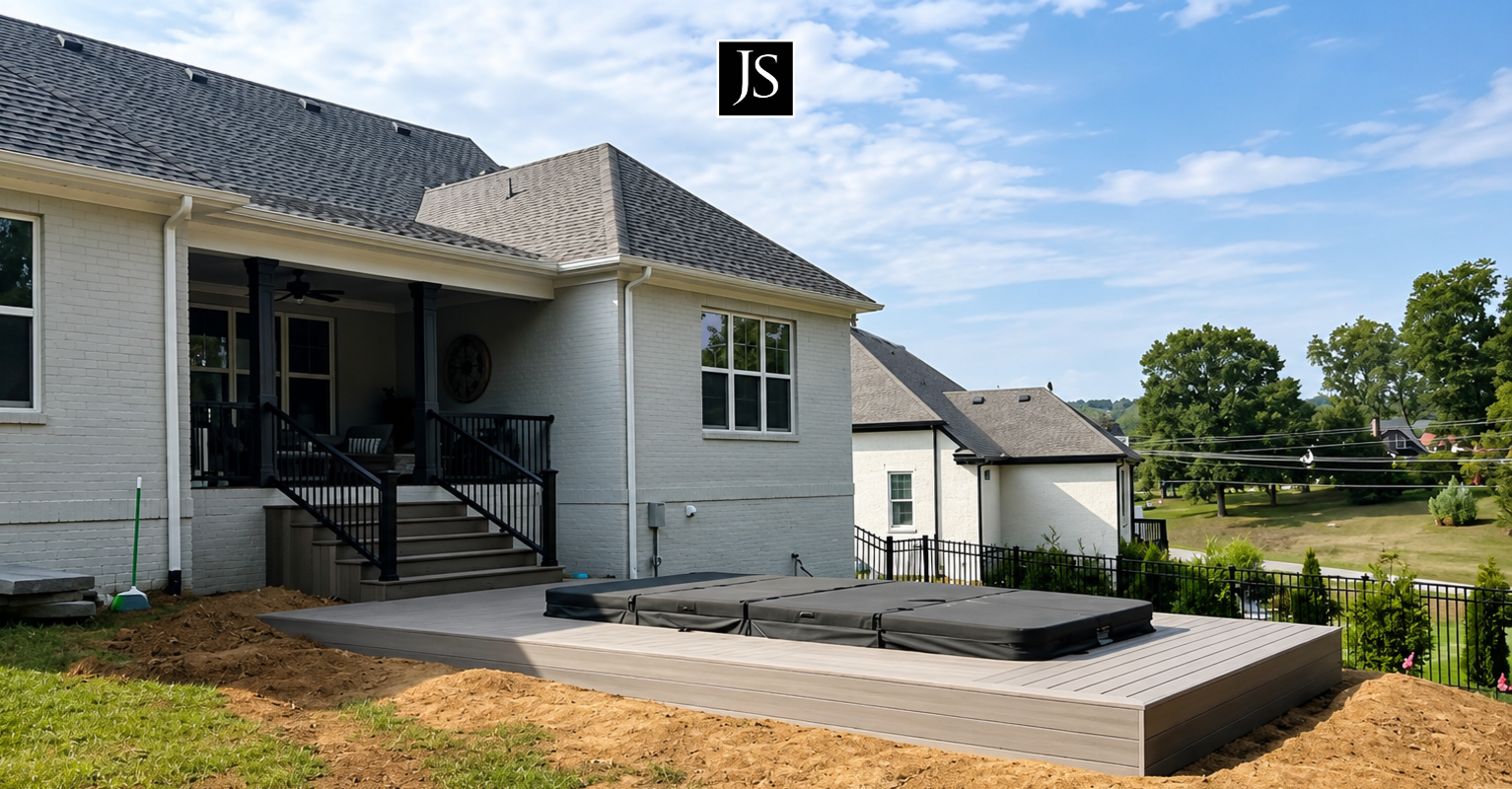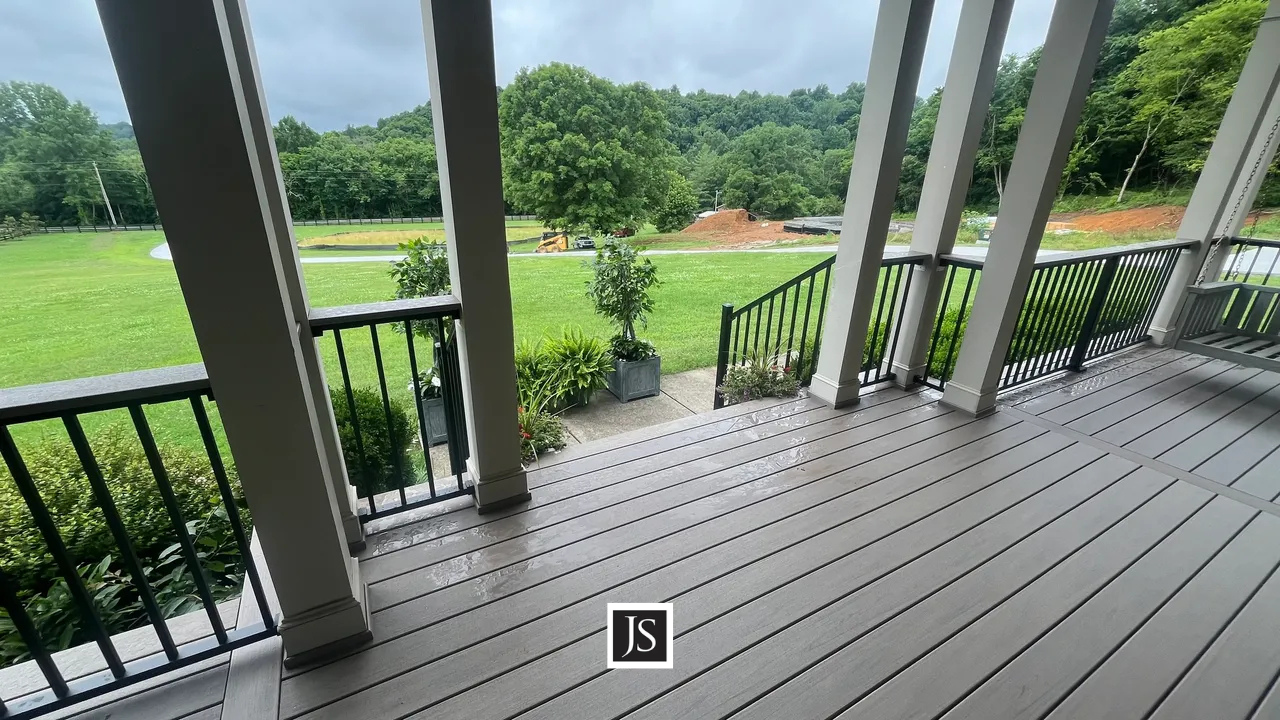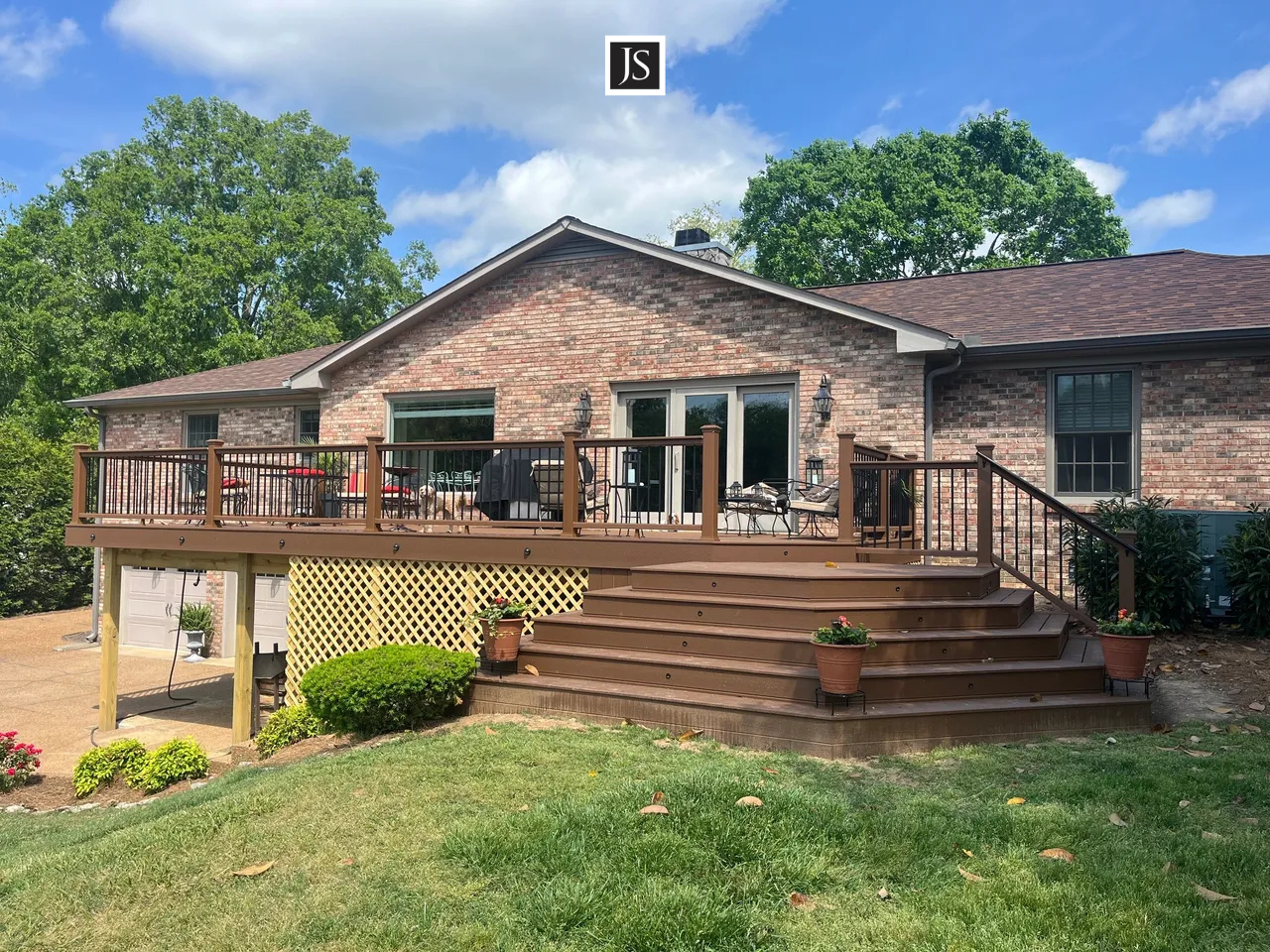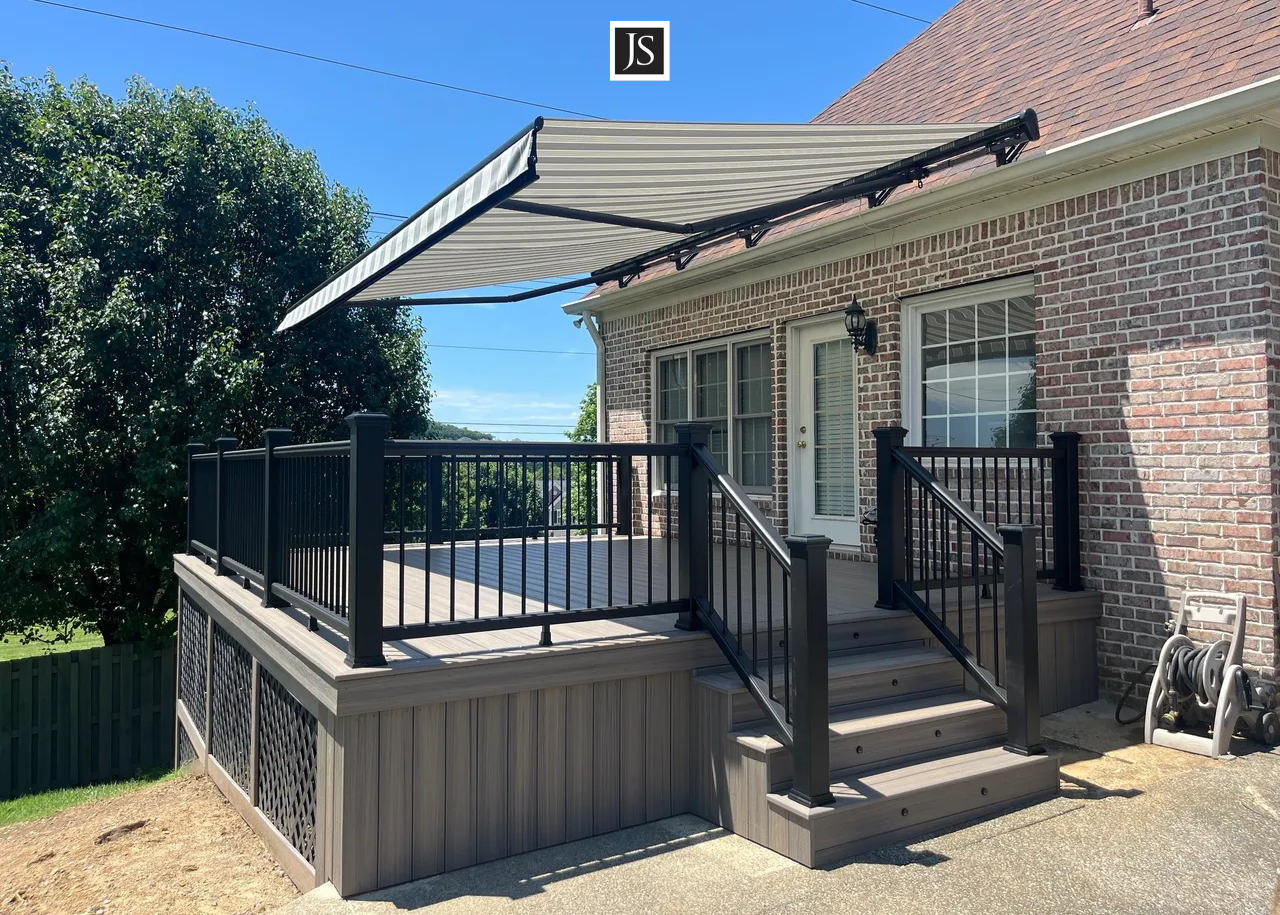
Deck Features That Make Outdoor Spaces More Functional and Comfortable
A great deck does more than just add space to your home. It turns your outdoor area into a cozy spot for relaxing, dining, and hanging out with family and friends. The ideal decks combine comfort, safety, and style, making them easy to enjoy year-round.
More and more, people want decks that are not just pretty but also handle the hustle and bustle of life, from summer barbecues to peaceful morning coffees. If you're planning a new deck or thinking about an upgrade, consider exploring new deck installation and custom outdoor living spaces to create a deck that fits both your daily life and special occasions.
Recent trends show that the best decks are not necessarily the biggest or most elaborate. They are the ones that are well-organized, durable, and comfy. According to the National Association of Home Builders, the focus on outdoor living is strong, pushing designers to create multi-purpose layouts using low-maintenance materials that work well in different climates.
Why Function and Comfort Should Lead the Design
Think About How You'll Use the Deck
Before picking out materials or finishes, it’s crucial to figure out how you plan to use your deck. A deck for family meals will look different from one meant for reading or grilling. Planning with purpose helps make the most of your space.
One big trend for 2026 is multi-zone deck designs, which separate spaces into areas for dining, lounging, and cooking. This setup improves flow and keeps the deck from feeling cluttered. For more on how layout affects satisfaction, check out our guide on what to consider before building a multi-level deck.
Comfort Affects How Often You Use Your Deck
A beautiful deck won't get much use if it’s too hot, too exposed, or too noisy. Features like shade, privacy, and smart material choices directly impact how often you’ll spend time outdoors. Comfort isn’t just an extra; it’s essential.
Good outdoor spaces feel welcoming at different times of the day. Morning sun might be lovely in one area, while afternoon shade is a must in another. Planning for comfort from the get-go usually works better than trying to add it later.
Multi-Zone Layouts Make Decks More Livable
Set Up Areas for Dining, Lounging, and Cooking
Multi-zone layouts are a great way to make decks more functional. Instead of cramming every activity into one area, divide the space. Put the dining table near the kitchen or grill and keep lounging areas separate for quiet conversations or reading.
This structure brings order, especially for families who use the deck daily. It also improves flow during gatherings because guests won't have to walk through seating areas to get to food or shade. A well-planned layout can make even a small deck feel spacious and usable.
Use Levels and Transitions to Define Zones
Multi-level decks are great for sloped yards, but even a single-level deck can benefit from subtle transitions. Changes in railing style, furniture arrangement, or lighting can signal different purposes. The goal is to create visual clarity without making the deck feel chopped up.
Homeowners in warmer climates often pair zoned layouts with shade planning to keep the space comfortable during the hottest parts of the day. If you’re deciding on structural options, our article on building a strong and stable deck explains why framing and support matter.
Material Choices Impact Comfort
Composite Decking: A Popular Choice
Composite decking is a practical choice for those who want a comfy, attractive, and low-maintenance surface. It’s gaining popularity because it resists rot and fading and requires less upkeep than wood. Plus, it comes in colors that blend well with outdoor settings.
Comfort is a major reason for this shift. Newer composite products are designed to absorb less heat, making them more pleasant during peak summer temperatures. This matters in areas with long, hot seasons, where a hot deck can quickly become uncomfortable.
Wood Works If You Can Handle Maintenance
Pressure-treated lumber is a budget-friendly option for those who want strength and flexibility. It performs well when designed right and maintained properly. However, wood requires more ongoing care, so plan accordingly.
If you’re weighing durability, appearance, and upkeep, our wood vs. composite decking guide can help you compare options practically. For budget-minded projects, pressure-treated decks can still be a solid choice when built and maintained correctly.
Sustainability and Long-Term Value Matter
Many people now consider sustainability when choosing deck materials. A deck that lasts longer and requires fewer chemicals often provides better long-term value. The U.S. Environmental Protection Agency offers guidance on reducing waste and choosing materials with a lower environmental impact.
The best material is the one that fits both the climate and how you’ll use the deck. That’s why professional planning is crucial: the right product for a shaded, high-traffic deck may differ from a low-use, decorative one.
Shade, Privacy, and Weather Protection Improve Daily Use
Shaded Areas Extend the Season
Adding shade is a quick way to make a deck more comfortable. Pergolas, covered areas, umbrellas, and roof extensions reduce sun exposure, making the space more enjoyable for longer periods. In hot climates, shade can be the difference between a deck that feels inviting and one that's too exposed.
Shaded zones also protect furniture and decking materials from constant sun exposure, reducing fading and improving the space's lifespan. If you’re considering overhead structures, gazebo and pergola construction can add both style and comfort.
Privacy Features Create a Calmer Outdoor Space
Privacy is another key factor, especially in neighborhoods where homes are close together. Slatted screens, vertical planters, and strategic railing designs can create a sense of separation without fully enclosing the deck, resulting in a more relaxed environment.
It’s important to balance privacy with openness so the deck still feels bright and connected to the yard. This balance is crucial when the deck is used for entertaining because guests usually want both a sense of seclusion and a pleasant view.
Weather-Resistant Features Protect Your Investment
Moisture and heat can affect a deck over time. Adding weather-smart design elements like proper drainage and durable railings can make the deck safer and easier to maintain. The Federal Emergency Management Agency emphasizes building with resilience in mind, especially in areas with heavy rainfall.
For homeowners in Franklin, TN, this is especially relevant because humidity and temperature changes can accelerate wear if materials aren’t chosen carefully. A thoughtful design protects both comfort and structural performance.
Railings, Lighting, and Safety Details Add Everyday Usability
Railings Should Feel Secure
Railings are more than just a finishing touch; they affect both safety and comfort. A loose or outdated railing can make a deck feel less stable. A clean, modern railing system contributes to the overall design and user confidence.
If your railing is worn or inconsistent, our railing replacement and repair service can restore safety and curb appeal. Updating the railing is often one of the easiest ways to improve the whole deck.
Lighting Extends Usability After Dark
Lighting is essential for a deck that functions beyond daylight hours. Step lights, post cap lights, and path lighting improve visibility and reduce the risk of trips or falls. They also make the deck feel more inviting for evening gatherings.
Well-placed lighting should highlight walking paths and key areas without creating glare. Warm, layered lighting supports both safety and atmosphere. Good lighting design is often subtle but crucial for usability.
Non-Slip Features Boost Confidence in Wet Weather
Safety also includes feeling secure underfoot. Textured surfaces, proper board spacing, and smart drainage reduce slip risks when the deck is wet. This matters in humid regions where rain and morning dew are common.
A deck should feel easy to walk on in regular shoes, barefoot, or when carrying food and drinks. Details beneath the surface are as important as the visible design elements.
Layout, Furniture, and Traffic Flow Shape How the Deck Feels
Leave Enough Room to Move
A comfortable deck doesn’t feel crowded. Clear walkways are important so people can move between doors, seating areas, and cooking zones easily. Good spacing improves both convenience and safety.
Designers often recommend planning the layout around real furniture dimensions instead of guessing. This ensures the deck can handle the pieces you want to use, not just smaller items to fit the space.
Pick Furniture That Suits the Deck’s Purpose
The best outdoor furniture supports the deck’s intended use. A dining zone should have durable chairs and a table that fits the space, while a lounge zone might benefit from deep seating and side tables. Furniture should complement the deck’s layout.
When a deck is designed well, furniture placement feels obvious. That clarity is a major reason homeowners love multi-zone layouts. If you’re still deciding on the best layout, our deck design ideas guide offers helpful examples.
Use Built-Ins to Save Space
Built-in benches, planters, and storage can help a deck feel organized without taking up too much space. They also reduce the need for bulky furniture that can crowd the area. Built-ins often provide the best balance of style and usability.
These features are especially helpful on smaller decks where space is limited. Instead of filling the area with movable pieces, built-ins create structure and make the deck easier to maintain.
Real-World Examples Show What Works
Turning a Sloped Backyard into a Destination
In San Antonio, a homeowner transformed a sloped backyard into a multi-level deck with separate areas for dining, lounging, and a fire pit. The project used the natural terrain to create a functional outdoor space, resulting in a deck that felt inviting and purposeful.
This project shows how zoning and elevation can solve practical problems while boosting curb appeal. Instead of seeing the slope as a limitation, the design turned it into an advantage.
Warm-Tone Composite Yields a Calmer Deck
In Central Texas, a family built a composite deck in warm tones, with a shaded reading area and outdoor kitchen. The low-maintenance materials and comfort-focused zones created a space that worked all day and reduced the need for ongoing upkeep.
Projects like this highlight why material and layout should be considered together. A beautiful finish is great, but the space becomes truly valuable when it supports daily routines.
Franklin Homeowners Benefit from Climate-Smart Planning
In Franklin’s humid climate, moisture resistance and heat management are key. Composite decking, shaded structures, and privacy solutions can improve usability year-round. Many homeowners opt for composite decks or Trex decks and railings for a cleaner look with less maintenance.
Local climate matters because the best deck in one area may not be the best in another. Building for comfort means designing for actual conditions.
Planning a More Functional and Comfortable Deck
Ask the Right Questions Before Building
Start by asking how many people will regularly use the deck, what activities matter most, and how much maintenance you’re up for. Think about sun exposure, privacy, and how the deck connects to your home. These questions will help prioritize features.
If you’re replacing a deck, evaluate the current structure. Our deck replacement and remodeling service can turn worn or unsafe spaces into more enjoyable areas.
Balance Beauty with Durability
Many start with aesthetics, but the best decks balance style with durability. Clean lines and simple layouts are popular because they look modern and are practical. The more organized a deck is, the easier it is to enjoy.
When planning upgrades, remember that every feature should serve a purpose. Shade extends usability. Lighting improves safety. Materials affect maintenance. Railings support confidence. A good design brings these elements together.
Work With a Contractor Who Gets Outdoor Living
Professional planning can save time and improve results. An experienced contractor knows how to match materials to climate and design zones for real-world use, suggesting features that boost comfort. This is especially valuable for those wanting a custom feel.
At JS Decking & Renovation, we help create outdoor spaces that are both attractive and practical. Whether you need a new build, remodel, or targeted improvements, the right plan can make your deck a space you’ll use constantly.
FAQs About Functional and Comfortable Decks
What Makes a Deck Functional?
A functional deck matches its layout to how people use it. It includes room for movement, clear activity areas, and features like lighting and shade that support daily life. Functionality comes from planning, not just size.
What Makes a Deck Comfortable in Hot Weather?
Comfort usually comes from shaded areas, heat-conscious materials, and good airflow. Composite decking can be a good choice because newer products are designed to stay cooler. Covered zones and pergolas also make the deck more usable during peak heat.
Are Multi-Zone Deck Designs Worth It?
Yes, they are often a great upgrade. Multi-zone decks reduce clutter, improve flow, and make the space adaptable for dining, relaxing, and entertaining. They help large decks feel organized, and smaller decks feel intentional.
When Should I Replace My Deck Instead of Repairing It?
If your deck has widespread structural issues, persistent rot, or ongoing maintenance problems, replacement may be safer and more cost-effective. If unsure, a professional inspection can help decide if repairs, remodeling, or replacement is best.
Build a Deck You’ll Love to Use
The best decks are designed around real life. When you combine smart zoning, durable materials, shade, privacy, lighting, and safe railings, you create an outdoor space that's easy to enjoy every day.
If you're ready to improve your outdoor living area, explore our outdoor living spaces, browse our gallery for inspiration, or learn how we build long-lasting decks that fit your lifestyle. For homeowners in Franklin wanting a better balance of comfort and function, now's the perfect time to plan the deck you'll use for years.
Check out safety and performance standards from the U.S. Consumer Product Safety Commission and structural tips from the American Wood Council. These resources emphasize that thoughtful planning creates safer, more comfortable spaces.
Ready to build a deck that looks great and feels even better? Contact JS Decking & Renovation to start planning a design tailored to your home, climate, and outdoor lifestyle.