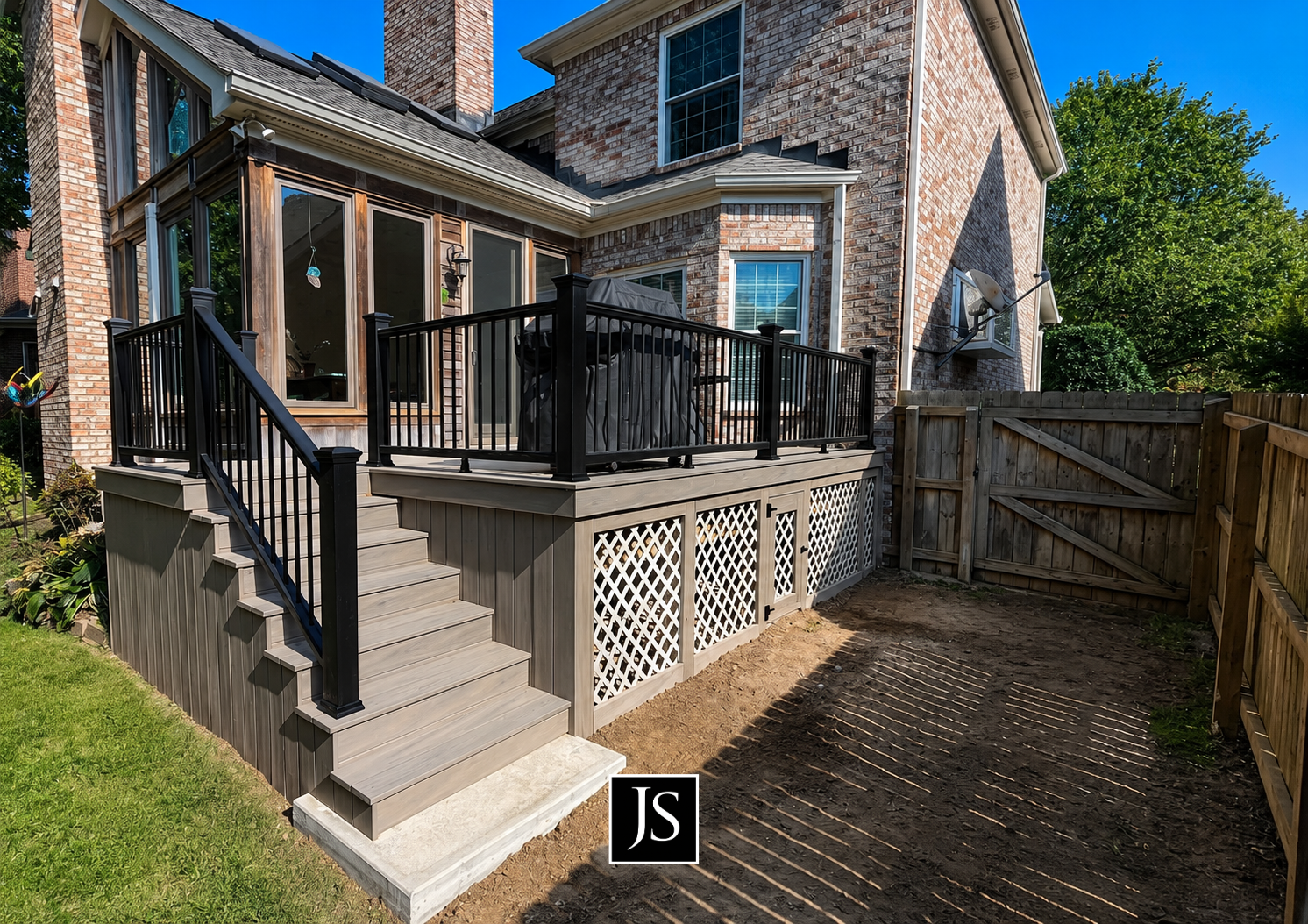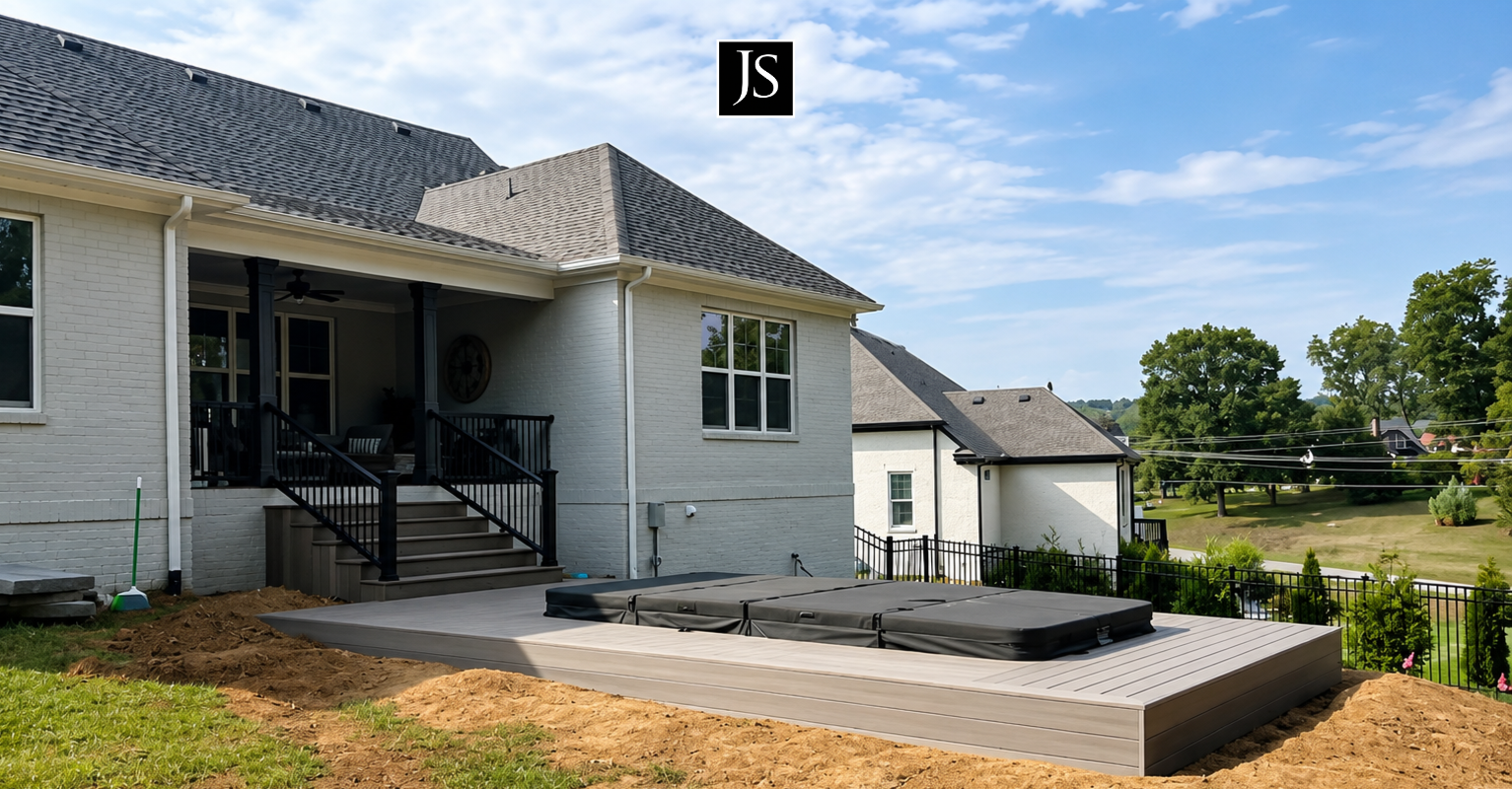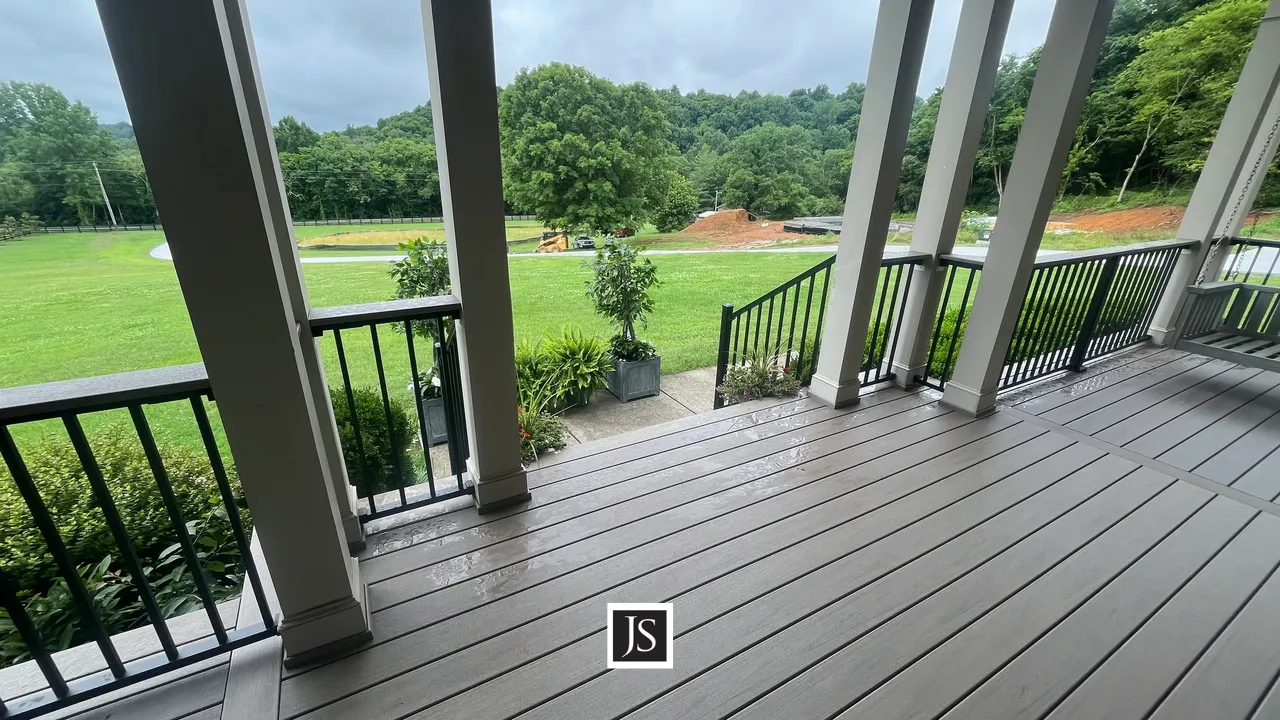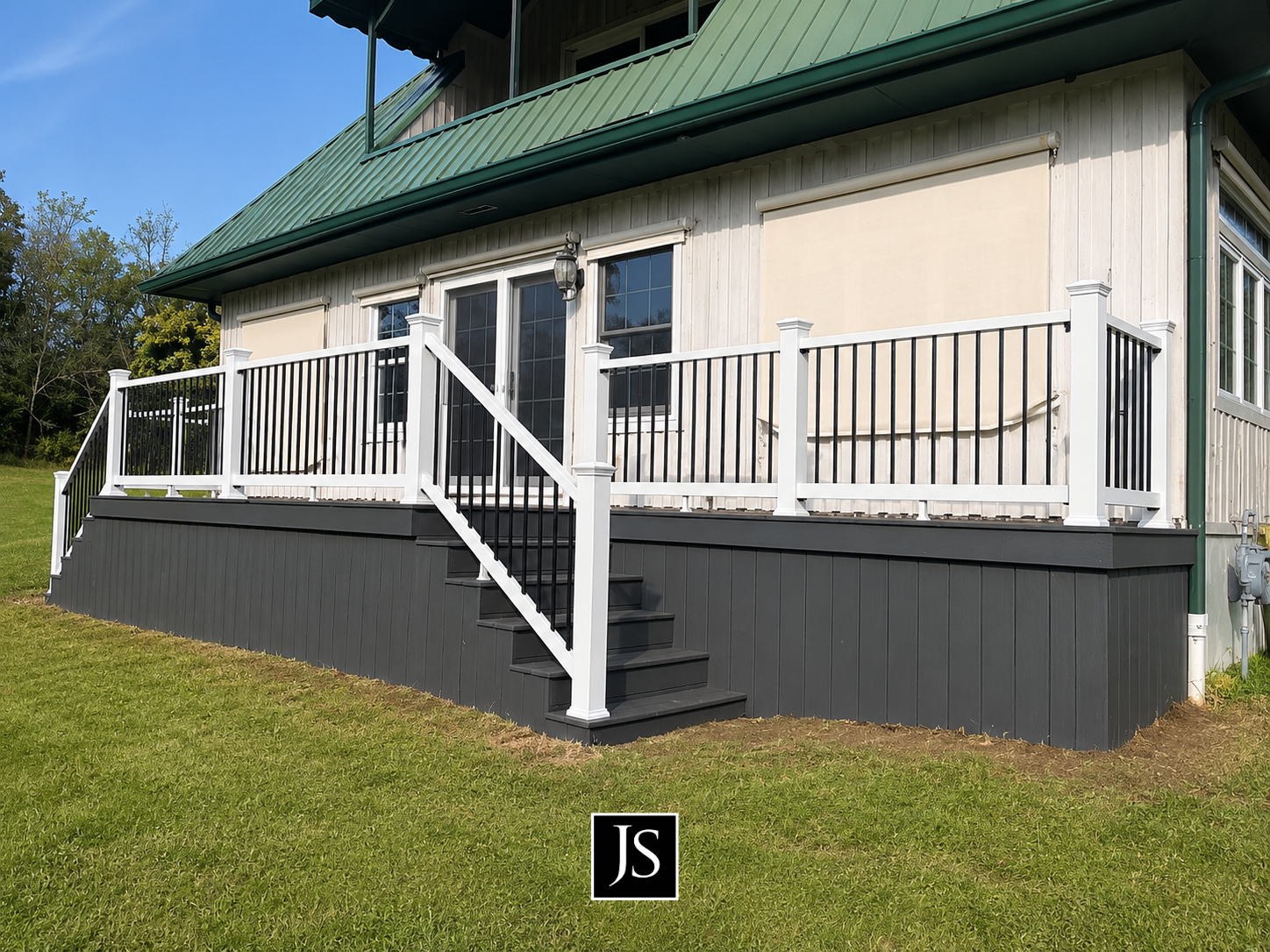
Before You Build: Essential Deck Planning Tips
Building a deck is more than just adding extra space to your backyard. It’s about creating an outdoor area that fits how you relax, entertain, cook, and enjoy your time at home. The best decks feel purposeful, whether you're sipping coffee on a quiet morning, having a family dinner, or hosting friends over the weekend. Making the right decisions from the start can save you time, money, and headaches later on.
Many homeowners start with design ideas, but it's smarter to begin with the purpose. How will you use the deck most? How much maintenance are you up for? What materials suit your climate? These questions guide everything from layout to lighting. Planning a new deck installation thoughtfully ensures it feels like a natural part of your home, not an afterthought. If you're evaluating materials, our composite decks service can show you the perks of low-maintenance outdoor living.
In this guide, you'll learn how to plan for style, function, materials, safety, climate, and budget before you start building. We’ll also explore how to blend current design trends with practical planning to create a space that truly fits your lifestyle.
Start with How You Live
Identify Your Main Use
The best deck designs begin with your everyday habits. Some folks want a dining area big enough for guests, while others seek a quiet lounge spot with shade and privacy. A deck tailored to your lifestyle will be more useful and comfortable than one that's just large. Often, a smaller deck with a smart layout outshines a bigger deck that lacks purpose.
Consider your daily routines alongside special occasions. If you enjoy morning coffee outside, you might want a cozy corner with space for two chairs and a small table. If you love hosting cookouts, plan space near the kitchen for serving and mingling. Families with kids might need open areas for play and clear paths for traffic. For more on transforming your yard into a retreat, check out our guide on backyard design tips.
Match the Deck to Your Household
Your household size and lifestyle should shape your deck's final form. A couple who entertains occasionally might prefer a compact, elegant build, while a larger household may need multiple zones. Think about how many people will use the space at once and whether you need room for movement, storage, or future upgrades. Planning well now can prevent overcrowding later.
If your household includes older adults or young children, focus on safety and accessibility. Wider steps, secure railings, and slip-resistant surfaces enhance comfort and usability. A deck should support your life at every stage, not just one season. This is why design consultation is helpful before construction begins.
Stay Updated on Deck Design Trends
Multi-Zone Layouts Lead the Way
Modern deck design has shifted towards multi-zone layouts. Instead of one open platform, homeowners are creating distinct areas for dining, lounging, grilling, and even working outdoors. This approach makes the space feel organized and flexible. It also allows the deck to support multiple activities without feeling crowded.
Multi-zone design is especially useful for families and frequent entertainers. A separate cooking area keeps traffic away from seating, while a lounge zone remains calm and uncluttered. Even a modest-sized deck can benefit from this style with careful planning. For more on outdoor spaces built for everyday use, see our outdoor living spaces service.
Sustainable Materials Take Priority
Homeowners increasingly choose materials that reduce upkeep and last longer. Composite decking is popular for its durability, low maintenance, and clean finish. Compared to traditional wood, composite usually requires less staining, sealing, and sanding. That makes it appealing for busy homeowners who want to spend more time enjoying the deck and less time maintaining it.
Industry reports show that sustainable design and long-life materials remain key priorities for outdoor projects. If you want a broader look at deck trends, check out these articles from Builders Fence Company and Home Rank.
Integrated Lighting: Stylish and Practical
Built-in lighting is now a hallmark of modern decks. LED strip lights under railings, recessed step lights, and subtle perimeter lighting enhance safety and extend usability. Lighting also adds atmosphere, making the deck more inviting after sunset. When installed thoughtfully, it can turn a simple structure into a true outdoor destination.
Plan lighting with function in mind. Steps and edges need visibility, especially if the deck connects to a yard, pool, or patio. Then, add softer accent lighting for mood. If you're looking to enhance safety and style, consider railing replacement and repair as part of your upgrade.
Choose Materials for Climate and Maintenance
Compare Wood, Composite, and PVC
Material choice is crucial in any deck project. Pressure-treated wood is often the most budget-friendly upfront, but it requires regular upkeep and may not last as long as other options. Cedar and redwood have natural appeal but still need maintenance. Composite and PVC cost more initially but offer a longer lifespan and less day-to-day work.
In general, pressure-treated wood can last 15 to 20 years, cedar or redwood around 20 to 30 years, composite decking about 25 to 50 years, and PVC or vinyl roughly 30 to 50 years. These ranges vary based on installation quality, exposure, and upkeep. If you need help deciding which material fits your budget and goals, our pressure-treated decks and Trex decks and railings services offer useful comparisons.
Consider Weather Resistance and Maintenance
Climate is as important as appearance. In humid areas, moisture resistance is key because damp conditions can lead to mold, mildew, swelling, and faster wear. In sunny regions, UV resistance helps reduce fading and surface breakdown. A deck that looks great in a showroom might perform differently outdoors, so consider your local weather when selecting materials.
For general construction safety and moisture management, the NIOSH construction safety resources and the U.S. Department of Energy’s energy saver resources offer helpful guidance. While not deck-specific, these resources highlight the importance of choosing materials and systems that stand up to real-world conditions.
Weigh Upfront Costs Against Long-Term Value
Many homeowners focus on the initial quote, but the true cost includes maintenance, repairs, and replacement over time. A lower-cost wood deck might need regular stain, sealant, and board replacement, while composite materials can significantly reduce those expenses. The best option depends on how long you plan to stay in your home and how much maintenance you're willing to handle.
Recent estimates suggest deck projects can range from about $7,000 to $30,000 depending on size, materials, and complexity. That makes planning essential. If you want to explore whether a remodel or replacement makes more sense, our deck replacement and remodeling service can help you assess the long-term value of each choice.
Plan for Flow, Comfort, and Function
Create Open Traffic Paths
A gorgeous deck can still feel awkward if the layout creates bottlenecks. Flow matters because people naturally move between doors, seating areas, stairs, and outdoor features. You want easy access without forcing guests to walk through conversation zones or around obstacles. Clear paths help the deck feel open and comfortable, even with multiple users.
Sketch out how people will move through the deck during a typical gathering. Consider where food will come from, where guests will sit, and how children or pets will use the space. Functional planning now prevents frustration later. For layout inspiration, browse our gallery of real projects.
Let Furniture Size Guide the Footprint
Some decks are oversized for the furniture they hold, or worse, too small for practical use. Before building, measure your planned furniture and allow clearance around tables, chairs, and accessories. A dining area needs more room than many expect, especially if you want to easily pull out chairs and keep pathways open.
Choosing the right size early can save money and improve usability. Instead of adding square footage just for size, make each section practical. A smaller, well-planned deck often feels more luxurious than a larger, underused platform. For a complete planning guide, explore our deck planning guide for sizing, permits, and structural insights.
Think Vertically and Horizontally
Deck design isn’t just about surface area. Railings, privacy screens, planters, pergolas, and stairs all affect the feel and function of the space. Vertical features can define zones, add shade, and provide a sense of enclosure without making the deck cramped. They’re especially helpful if your yard has an open view or lacks natural boundaries.
For more shade or architectural interest, consider pairing a deck with a pergola or covered structure. This can make the space usable during hot afternoons and light rain. For these ideas, gazebo and pergola construction can add style and function to your outdoor area.
Don’t Skimp on Safety and Quality
Permits and Local Regulations
Even the most attractive deck must be safe and legal. Permits, inspections, and code compliance aren't optional. They protect your home, family, and investment. Local building rules can affect footing depth, railing height, stair design, and attachment methods, so review these requirements before starting work.
For general building expectations, the InterNACHI deck inspection checklist provides a useful overview of common safety concerns. Local codes vary, so confirm that your project follows current standards. A reputable contractor should help with the permitting process and explain what applies to your property.
Don’t Forget Railings and Stairs
Loose railings, uneven stairs, and slippery surfaces can turn a welcoming deck into a hazard. These issues are especially important if children, older adults, or frequent guests will use the space. Safe railings, proper stair depth, and secure framing are foundational elements, not finishing touches. The best decks blend beauty with structural strength.
If your existing deck has railing issues, it might be time to address them before adding new features. Our railing replacement and repair service can restore safety and curb appeal without compromising design. Safety upgrades often enhance both usability and peace of mind.
Framing Quality Matters
The visible deck boards get most of the attention, but the hidden framing does the real work. Proper joist spacing, ledger attachment, post support, and fastener selection all affect stability and lifespan. A well-built frame reduces bouncing, sagging, and premature wear. When the structure is solid, your deck feels sturdy and withstands changing weather better.
For more on structural planning, see our article on building a strong and stable deck. This guide dives deeper into the details that help a deck remain safe and dependable over time.
Design for Manageable Maintenance
Choose Upkeep That Fits Your Life
One easy mistake is choosing a deck style you love but can’t maintain. Wood decks usually need more care, including cleaning, sealing, and periodic repairs. Composite and PVC options reduce that workload, but they still require regular washing and occasional inspection. Be honest about how much time you want to spend on maintenance each year.
For many busy households, low-maintenance materials are worth the investment because they free up weekends and reduce stress. If your ideal outdoor space is one you can enjoy without constant upkeep, a composite build might be a better long-term fit. This is especially true for homeowners who want the deck to stay attractive with minimal effort.
Plan for Cleaning and Repairs
Even durable decks need seasonal attention. Dirt buildup, blocked drainage, loose hardware, and surface wear can shorten the structure's life if ignored. A practical maintenance plan includes checking fasteners, inspecting railings, clearing debris, and washing the surface as needed. Small tasks completed regularly are easier and cheaper than major repairs later.
For those looking to avoid surprises, our article on deck maintenance explains the risks of neglect in straightforward terms. Maintenance is part of ownership, not an optional extra.
Consider Replacement Over Repeated Repairs
Sometimes, starting fresh is the best way to fit your lifestyle. If your current deck is outdated, unsafe, or poorly designed, a remodel or full replacement can solve several problems at once. You might gain better traffic flow, updated materials, improved safety, and a style that matches your home more closely. A replacement can also reduce long-term maintenance when the old structure has reached the end of its useful life.
If you’re deciding between patching and rebuilding, our guide on deck repairs can help identify when damage is a serious concern. Early evaluation often prevents higher costs and helps you make a smarter decision.
Add Comfort Features for Everyday Use
Shade and Shelter Add Value
A deck becomes more valuable when you can use it in various weather conditions. Shade structures, covered areas, and pergolas can reduce heat and make the space more inviting during midday. In warm, humid climates, these features often determine how often the deck is used. Comfort is just as important as looks when creating a space for daily life.
If you’re considering built-in shade, covered entries, or a more protected outdoor transition space, porch construction might be worth exploring alongside deck plans. The right combination can smooth the indoor-outdoor experience.
Add Lighting, Storage, and Accessories
Small details often have the biggest impact on how a deck feels. Built-in storage for cushions, deck boxes, planters, and outdoor supplies keeps clutter under control. Thoughtful lighting improves safety and ambiance. Even simple accessories like ceiling fans, privacy screens, or side tables make the space easier to use every day.
When these features are included from the start, they blend into the design instead of feeling like add-ons. Custom planning matters. Decks built around convenience tend to get used more, which boosts their real value.
Think Long-Term, Not Just First Impressions
A Good Deck Supports Resale Appeal
A well-designed deck can boost your home’s curb appeal and make outdoor living feel complete. Buyers notice whether outdoor spaces are functional, attractive, and low-maintenance. A deck that matches the home’s style and neighborhood context can support resale value better than a highly customized structure that feels disconnected from the property.
That doesn’t mean you should design only for resale. The best projects balance personal use with broad appeal. Clean lines, durable materials, and good craftsmanship usually age well. For more on how thoughtful design comes together in real projects, explore our deck replacement and remodeling services and our project gallery.
Choose Upgrades That Age Well
Not every trend is worth following, but some solve real problems. Multi-zone layouts, integrated lighting, and composite surfaces improve usability and create a polished look. These features likely remain relevant because they address comfort, safety, and maintenance. That’s a smarter foundation than choosing a design element just because it’s in style this year.
In Franklin and similar communities, homeowners increasingly want decks that support outdoor living without constant maintenance. A smart build delivers that balance by combining style with durability. If you’re comparing options for a new project, our new deck installation team can guide you from concept to completion.
Final Checklist Before Building
Ask the Right Questions
Before construction starts, review your goals, budget, material preferences, and maintenance expectations. Confirm whether you need shade, storage, lighting, or multiple activity zones. Ensure the layout works with your furniture and daily routines. Always verify code compliance and permit requirements before work begins.
Answering these questions clearly helps you end up with a deck that fits your lifestyle rather than one that just fills space. Good planning doesn’t limit creativity; it supports it. That’s how a deck becomes a lasting part of the home, not just a short-term upgrade.
Choose the Right Contractor
A strong deck project requires more than carpentry. It needs material expertise, design insight, safety awareness, and an understanding of outdoor living. The right contractor helps you compare materials, avoid hidden problems, and make choices that fit your home and plans. This is crucial for a deck that performs well in changing weather and stays comfortable over time.
At JS Decking & Renovation, we help homeowners make informed decisions about deck design, materials, safety, and outdoor living features. If you’re ready to create a deck that fits your lifestyle, explore our services, review our project examples, and take the next step toward a space you'll enjoy for years. Start with a consultation, compare your options, and build with confidence.
For homeowners in Franklin who want a deck that blends beauty, function, and durability, it’s best to plan before the first board is installed. Thoughtful decisions now lead to better results later, making a custom deck truly worthwhile.