Why the Right Deck Design Changes Everything
A well-designed deck does more than add square footage outdoors. It truly extends your home, giving you a cozy spot to relax, entertain, cook, and enjoy life outside. For homeowners in Franklin, TN, the right deck design can turn an unused yard into a favorite gathering place.
Today's deck projects are more than just boards and railings. They focus on flow, zoning, durability, and comfort year-round. Whether you're starting fresh with new deck installation or updating an old structure through deck replacement and remodeling, a smart plan helps you get more use, style, and long-term value from your outdoor area.
Want to know why? According to the U.S. Department of Energy, thoughtful outdoor design, like adding shade and choosing the right materials, can even affect how comfy your home feels, especially in warm climates. For more on home improvement safety and planning, check out the FTC Home Improvement Guide. When your design choices fit both your lifestyle and climate, your deck becomes a dependable part of daily living.
Current Deck Design Trends That Maximize Outdoor Living
Multi-Level Decks Create Better Flow
A hot trend in 2026 is the multi-level deck. This design is perfect for sloped yards because it works with the natural landscape. Each level can have its own purpose—like dining on one, lounging on another, and grilling on a separate landing. This setup creates an organized and visually appealing space.
Multi-level layouts also help large gatherings feel less crowded. Guests can move naturally between zones, and homeowners can keep foot traffic away from cooking areas or quieter seating spots. If your property needs a design that fits elevation changes or creates clear activity zones, composite decks and thoughtful framing choices can support both style and performance over time.
Seamless Indoor-Outdoor Transitions Feel Larger
Another trend is making the deck feel like a natural extension of your home. Using similar colors, materials, and sightlines blurs the line between indoors and outdoors. When your deck connects visually with your kitchen or great room, your home feels bigger and more cohesive.
This setup is great for entertaining. Wide door openings, consistent flooring tones, and matching furniture make it easy for guests to move from one space to another. For a connected outdoor plan that includes seating, dining, shade, and gathering areas, consider outdoor living spaces as your next step.
Modular Outdoor Kitchens Add Flexible Function
Outdoor kitchens have become more adaptable. Instead of a custom built-in layout, many homeowners opt for modular systems that adjust to fit their space and budget. These setups still offer premium materials, prep space, storage, and cooking features, but with more flexibility than traditional construction.
This trend is great for families who want an outdoor kitchen without committing to a rigid design. Modular layouts make it easier to add features later. If outdoor cooking is part of your vision, pairing the deck with a gazebo or pergola can add both structure and shade around the kitchen area.
How Zoning Makes a Deck More Functional
Dining, Lounging, and Cooking Need Separate Spaces
One effective way to expand outdoor living is by dividing the deck into zones. A dining area needs enough room for chairs to move comfortably. A lounging zone works best with soft seating and side tables. Cooking areas need safe clearance around grills and prep spaces.
When everything is placed in one open rectangle without planning, the deck can feel busy and underused. Zoning gives every activity a clear place and improves how the space flows. It also helps families use the deck more often because the layout supports different routines, from morning coffee to evening entertaining.
Privacy and Shade Help Each Zone Feel More Comfortable
A good zoning plan should also account for comfort. Shade structures, planters, privacy panels, and strategic furniture placement make each section feel more intentional. In hot months, this matters even more because direct sun can make beautiful decks hard to enjoy.
For those in warmer, humid climates, weather-resistant materials and thoughtful shade design are valuable. A pergola, covered section, or screened feature can extend usability throughout the day. If you are updating railings or safety features, consider railing replacement and repair to keep everything functional and secure.
Clear Walkways Improve Safety and Use
Zoning isn't just about looks. It also improves safety by keeping walkways open and reducing congestion. People should move easily between doors, seating areas, and cooking zones without stepping around furniture or squeezing through tight spaces.
The National Safety Council offers helpful outdoor safety tips that highlight the importance of clear paths, good lighting, and secure surfaces. When these ideas are built into the deck design from the start, the space is easier to use every day, not just on special occasions.
Material Choices That Support Long-Term Outdoor Living
Composite Decking Reduces Maintenance Pressure
Material choice greatly impacts how well a deck supports everyday living. Composite decking is popular because it offers a clean look, strong durability, and less maintenance than traditional wood options. Homeowners who want more time enjoying their deck and less time staining or sealing often choose composite as the practical option.
Low-maintenance materials are especially important for larger decks or multi-zone layouts, where upkeep can become time-consuming. Durable boards, quality fasteners, and weather-resistant finishes all help the structure hold up better under regular use. If you're comparing options, Trex decks and railings are a great example of how modern materials can combine style with convenience.
Pressure-Treated Wood Still Has a Place
Not every homeowner wants or needs a premium composite system. Pressure-treated wood remains a reliable, cost-aware option for many projects. It offers solid structural performance and can be a smart fit when balancing budget with long-term use goals. With proper care, it can provide years of reliable service.
This option is often appealing for those who want a strong base for future upgrades or for simpler deck layouts that don't require highly specialized finishes. When installed correctly and maintained regularly, pressure-treated systems can still support attractive, functional outdoor spaces. Learn more about pressure-treated decks if you're looking for a straightforward, dependable path.
Weather Resistance Matters More Than Ever
In climates with heat, humidity, and storms, weather resistance should be part of every design discussion. Deck boards, railings, posts, and fasteners need to work together as a system. Choosing the right materials reduces warping, fading, and early deterioration, which helps the deck look better and last longer.
The National Park Service and other public resources emphasize the importance of durable outdoor materials for long-term exposure. While every residential deck is different, the same principle applies: quality materials and proper installation create better performance and fewer surprises down the road.
Lighting, Safety, and Evening Usability
Integrated Lighting Extends the Day
A deck that disappears after sunset isn't reaching its full potential. Integrated lighting lets you use the space longer and more safely. Step lights, post cap lights, and subtle railing lights improve visibility without overwhelming the atmosphere. The best systems feel built in rather than added later.
Lighting also changes how the deck feels emotionally. Warm, layered light can make a space more welcoming for evening meals, conversations, and quiet time outside. It can also highlight architecture, planting beds, and transitions between zones. When paired with a thoughtful layout, lighting helps the deck become a true nighttime living area.
Safe Railings and Stairs Protect the Whole Space
Safety should always come first. Loose railings, awkward stair placement, or poor edge visibility can make a deck feel less inviting, even if the design is attractive. Safe access is especially important on elevated decks or projects with multiple levels.
If your current structure shows wear, wobble, or damage, it may be time to evaluate upgrades before adding new features. A design refresh is often the perfect time to improve the fundamentals. That's where services like railing replacement and repair can make a big difference in how comfortable and secure the space feels for everyday use.
Good Design Reduces Risk and Improves Confidence
Well-planned decks help people feel at ease. When stairs are intuitive, landings are spacious, and transitions are easy to read, guests naturally relax. Families use the space more often because they don't have to worry about crowding, tripping, or unclear movement patterns.
That confidence matters. The goal of outdoor living is not just to add more structure, but to create a place where people want to gather. Strong lighting and safe access features are practical investments that support that goal from the first evening the deck is used.
Landscape Integration and Outdoor Furniture Trends
Decks Work Best When They Fit the Yard
The best deck projects feel connected to the rest of the property. Instead of sitting on top of the landscape, the deck should complement slopes, planting beds, pathways, and views. Integration with the yard makes the whole outdoor area feel more intentional and spacious.
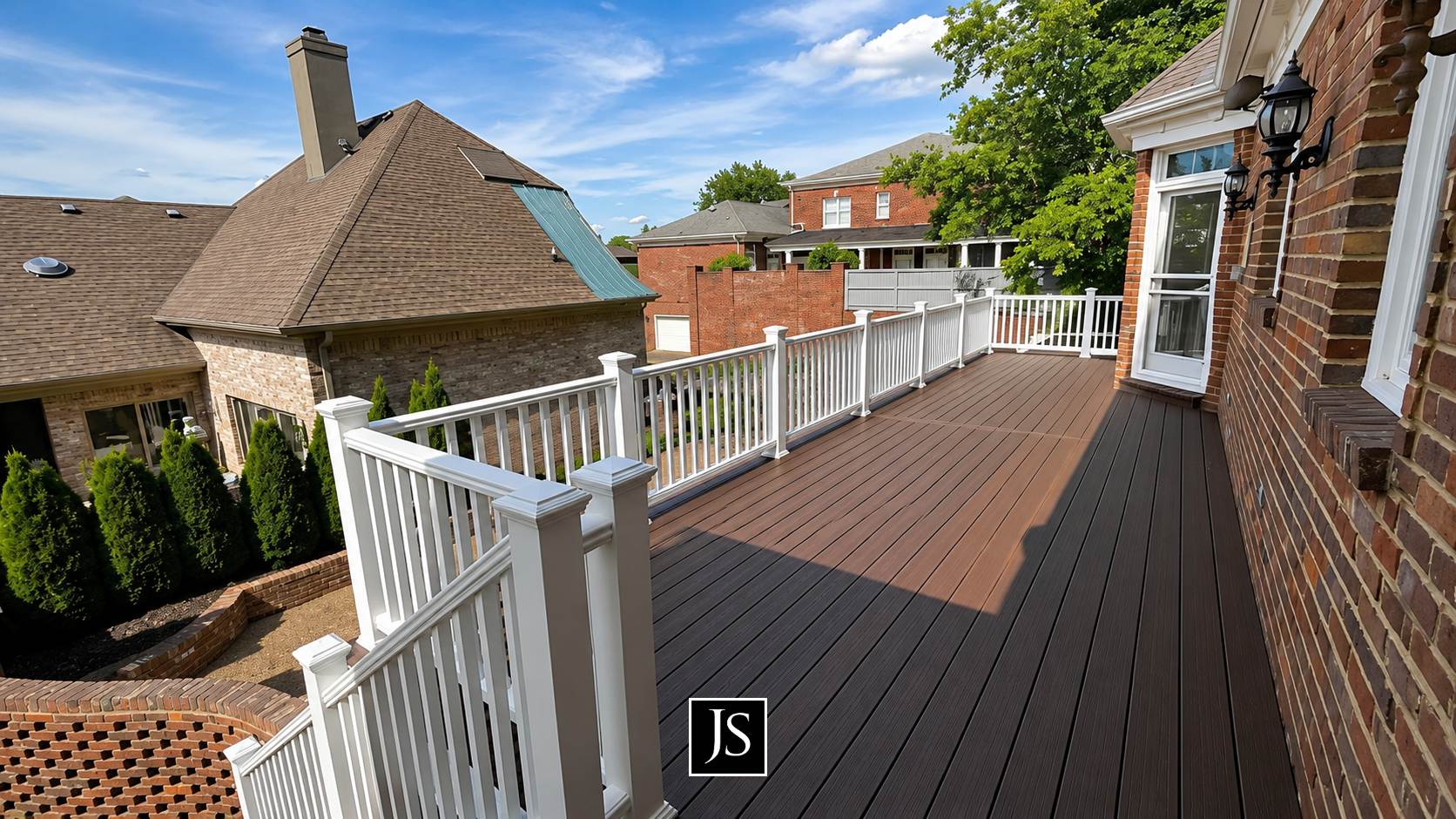
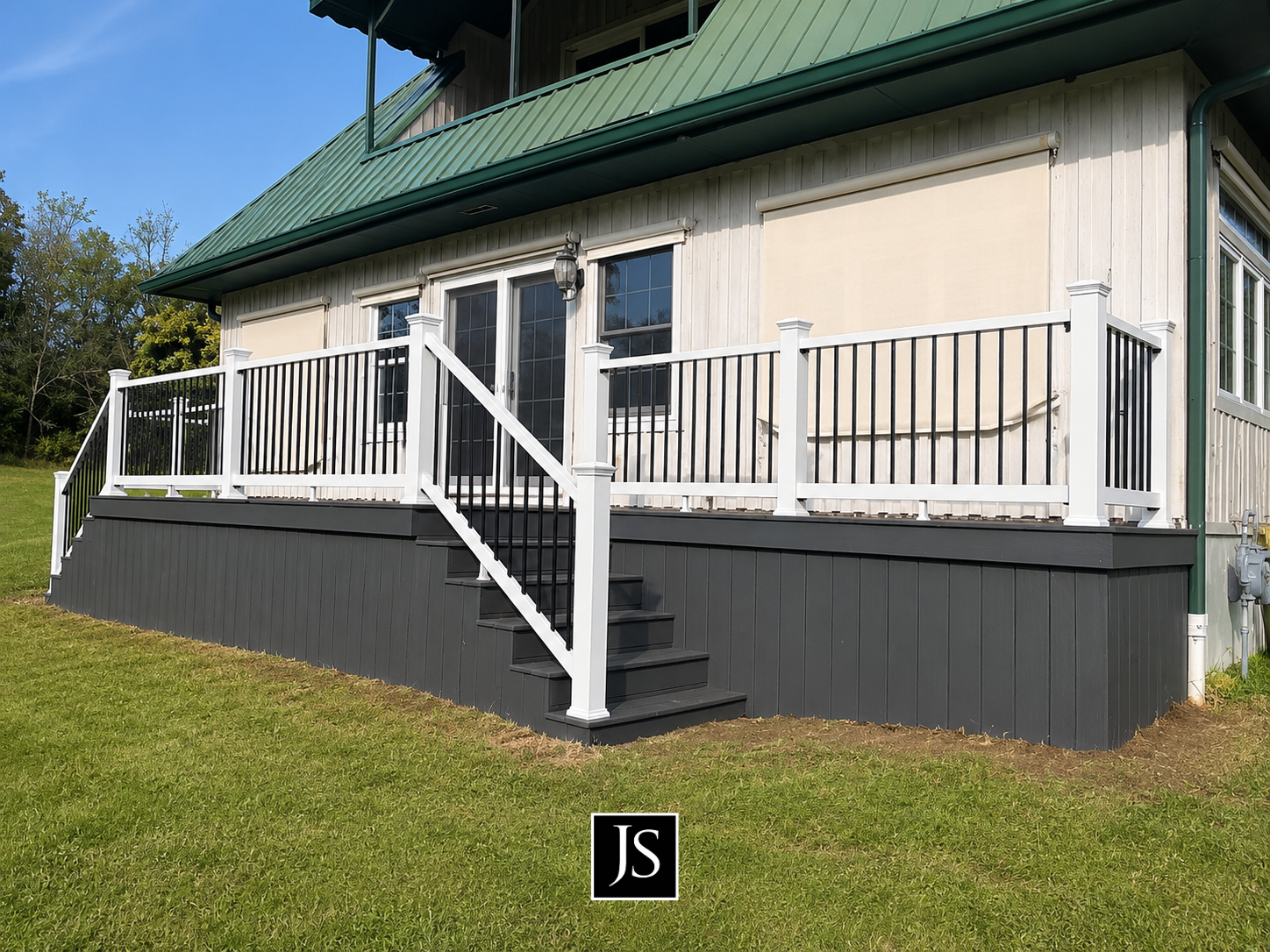
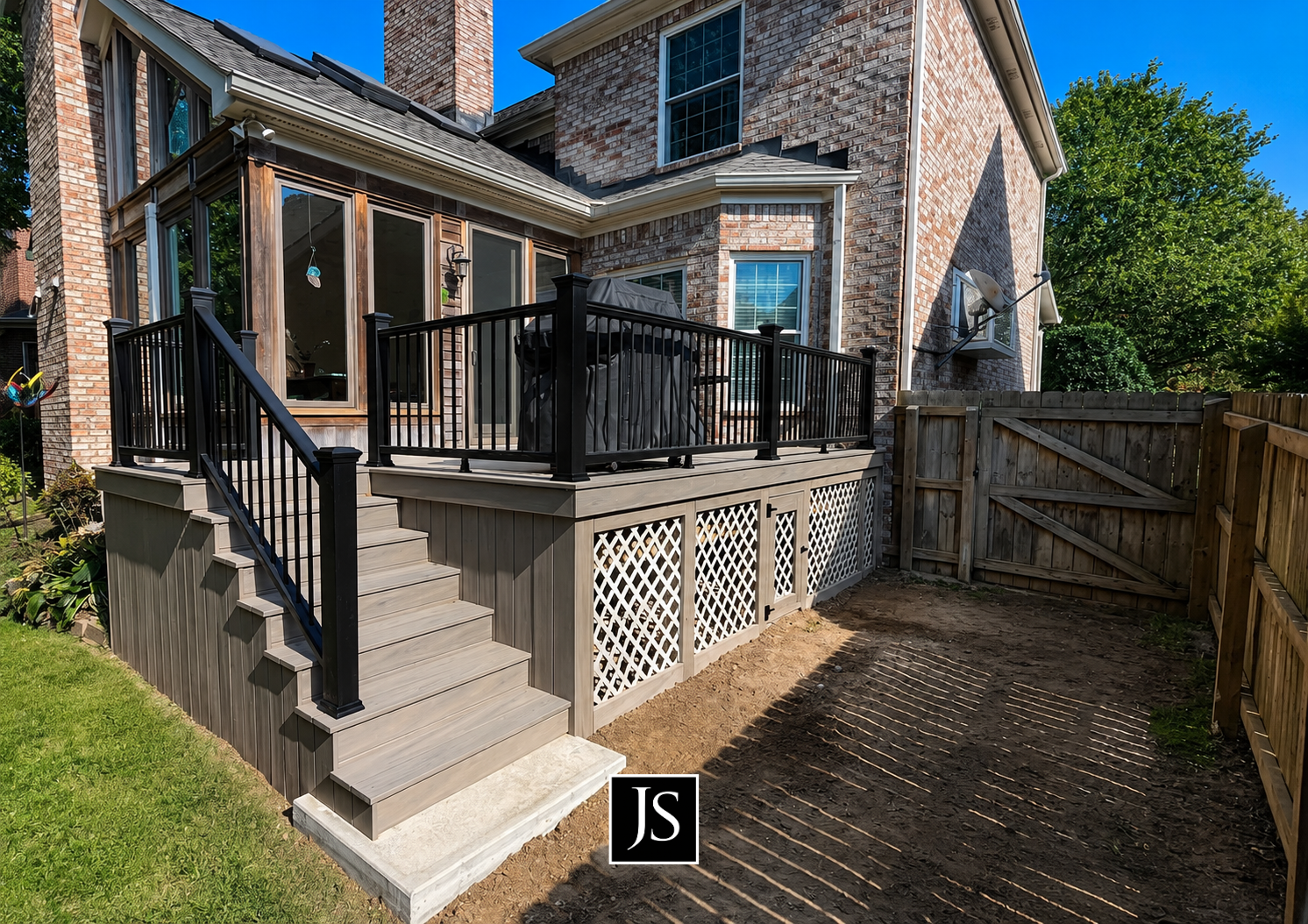
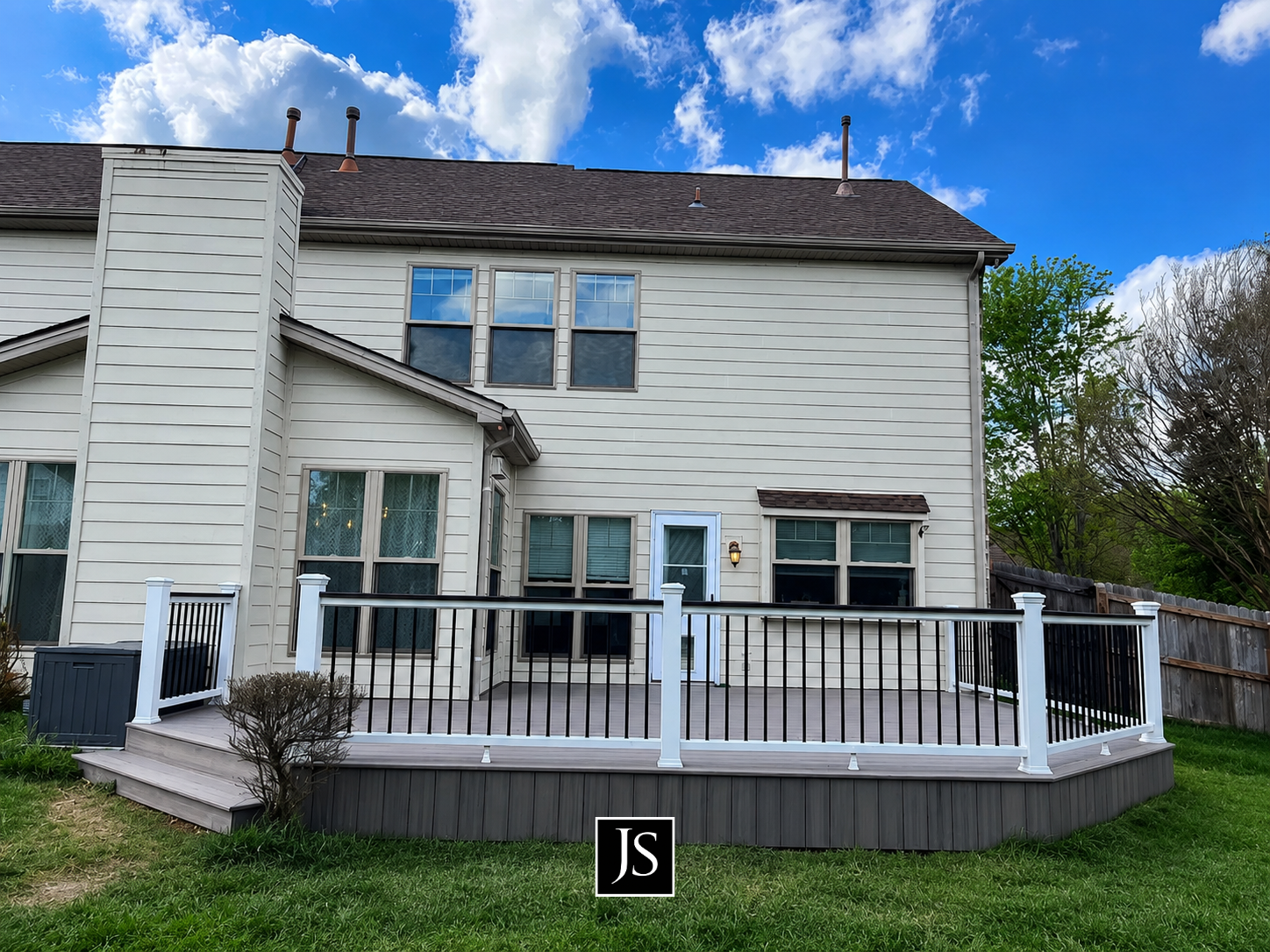
This is where details like railing style, planter placement, and step-down transitions matter. A deck that works with the surrounding landscape can frame the backyard in a way that feels open and inviting. For homeowners seeking inspiration, the gallery is a helpful place to see how different layouts and finishes can change the overall effect.
Furniture Trends Favor Comfort and Flexibility
Outdoor furniture in 2026 focuses on comfort, durability, and modular use. Sectionals, movable ottomans, and lightweight dining pieces let homeowners adapt the deck to different activities. This flexibility is important because the best outdoor spaces are rarely used for just one purpose.
Furniture should support the deck’s zones, not fight them. Larger pieces belong in lounging sections, while compact dining sets work better in traffic-friendly areas. Materials should be chosen with weather resistance in mind, especially if the deck is exposed to sun and moisture throughout the year.
Planting and Hardscape Bring the Space Together
Decks feel larger when the surrounding landscape is planned as part of the same design. Potted plants, built-in planters, retaining edges, and nearby hardscape surfaces help the outdoor area feel layered and complete. These elements soften transitions and make the deck look more like an outdoor room than an isolated platform.
For homeowners who want a more polished and cohesive result, pairing the deck with outdoor living spaces can unify the furniture, greenery, and structural features into one comfortable environment.
What Homeowners in Franklin Should Consider
Shade Is Essential in Hot, Humid Weather
In Franklin and similar climates, shade is more than a design preference. It's a usability requirement. Strong sun and humidity can quickly limit how long a deck remains comfortable, which is why pergolas, partial covers, and strategic orientation are so important. Without shade, even a beautifully built deck may go underused during peak heat.
That's why many homeowners add overhead elements during the design stage rather than later. A covered corner, slatted structure, or pergola can transform the way a deck performs throughout the season. If this aligns with your goals, gazebo and pergola construction can provide the comfort boost that turns a good deck into a great one.
Maintenance Expectations Should Match Lifestyle
Another important consideration is how much upkeep you want to handle. Some homeowners enjoy routine cleaning and seasonal sealing. Others want a space that requires little more than occasional washing. Your material choice, rail system, and finish should reflect your available time and how often you plan to use the deck.
Low-maintenance systems are often the right fit for busy families, frequent entertainers, and property owners who want dependable performance with less work. If you want a lower-maintenance solution that still looks polished, explore composite decks or ask about alternatives that match your budget and long-term expectations.
Design Should Support Real Daily Use
A strong deck plan doesn't just look impressive on paper. It supports actual routines like hosting neighbors, enjoying dinner outdoors, reading on weekends, or letting children play near the house. The more closely the design fits real life, the more value it delivers over time.
This is why homeowners should think beyond surface style. Consider how the deck will function in different weather, at different times of day, and with different numbers of people using it. A deck that is built around real habits will almost always outperform one designed only for appearance.
Common Questions About Expanding Outdoor Living
Is a Larger Deck Always Better?
Not necessarily. Bigger doesn't always mean more useful. A deck that's oversized for the yard or poorly zoned can feel empty, awkward, or expensive to maintain. The best size is one that supports your lifestyle without overwhelming the property.
Smart design focuses on usable square footage, not just total square footage. A compact but well-zoned deck may outperform a much larger one that lacks structure or comfort. That's why planning matters so much before construction begins.
Do I Need to Replace an Old Deck to Improve the Space?
Sometimes a full rebuild is the right choice, especially if the existing structure is aging, unsafe, or no longer fits the home. In other cases, targeted remodeling can improve function without starting from scratch. The decision depends on the frame condition, layout limitations, and your long-term goals.
If you're unsure where your current deck stands, a professional evaluation can help you decide whether to repair, remodel, or replace. Many homeowners find that deck replacement and remodeling offer the best balance of safety, style, and return on investment when the original structure has reached its limits.
How Do I Know Which Features Are Worth the Cost?
Prioritize features that improve everyday use first. Those usually include zoning, lighting, shade, safe access, and durable materials. Decorative additions can always be layered in later, but comfort and functionality should lead the plan from the start.
If you're comparing options, ask which upgrade will make the biggest difference in how often the space gets used. In many cases, one well-placed pergola or a better layout delivers more value than several small visual upgrades.
Bringing the Design Together Into One Outdoor Room
Start With the Experience You Want
The easiest way to design a successful deck is to start with the experience you want outdoors. Do you picture family dinners, quiet mornings, weekend grilling, or larger social gatherings? Once that lifestyle goal is clear, the rest of the layout becomes easier to define.
Good deck design is not about copying a trend for its own sake. It's about building a space that supports how you live. When design choices are filtered through that lens, every feature becomes more purposeful and every square foot works harder.
Connect the House, Deck, and Yard
The strongest outdoor spaces connect all three parts of the property: the home, the deck, and the surrounding landscape. That connection creates a more natural transition and makes the whole property feel larger. It also helps the deck function as a true outdoor room rather than an isolated platform.
That's why details like door placement, step direction, railing style, and landscape borders should be planned together. For a more complete transformation, a custom build from new deck installation can set the foundation for a space that feels fully integrated from the start.
Use Materials and Features That Age Well
Finally, choose features that will continue to look and perform well over time. Durable boards, stable railings, integrated lighting, and weather-resistant shade elements reduce the need for frequent repairs and help the deck maintain its appeal. A space that ages gracefully is easier to enjoy and easier to justify as an investment.
If you want to see how these ideas come together in real projects, the gallery provides a helpful visual reference. And if you're ready to create a deck that expands your home’s comfort, function, and value, now is the time to explore a design built around your lifestyle.
Conclusion: Design a Deck That Works as Hard as You Do
The right deck design does more than improve curb appeal. It expands the way you live at home by creating space for dining, relaxing, cooking, and gathering in a setting that feels comfortable and useful every day. From multi-level layouts and modular outdoor kitchens to shade structures, lighting, and low-maintenance materials, each design choice should support the way you actually want to use the space.
If you're planning a new build, remodeling an older deck, or adding features that make your backyard more functional, focus on the elements that provide the most value first. That means smart zoning, durable materials, safe railings, and a layout that fits your property and lifestyle. For homeowners looking for trusted contractor services in Franklin, TN, JS Decking & Renovation can help turn outdoor ideas into a practical, inviting space. Reach out today to start planning a deck that truly expands your outdoor living space.
Ready to upgrade your backyard? Explore our services, view the gallery, and take the next step toward a deck design that brings more comfort, more style, and more usable living space to your home.