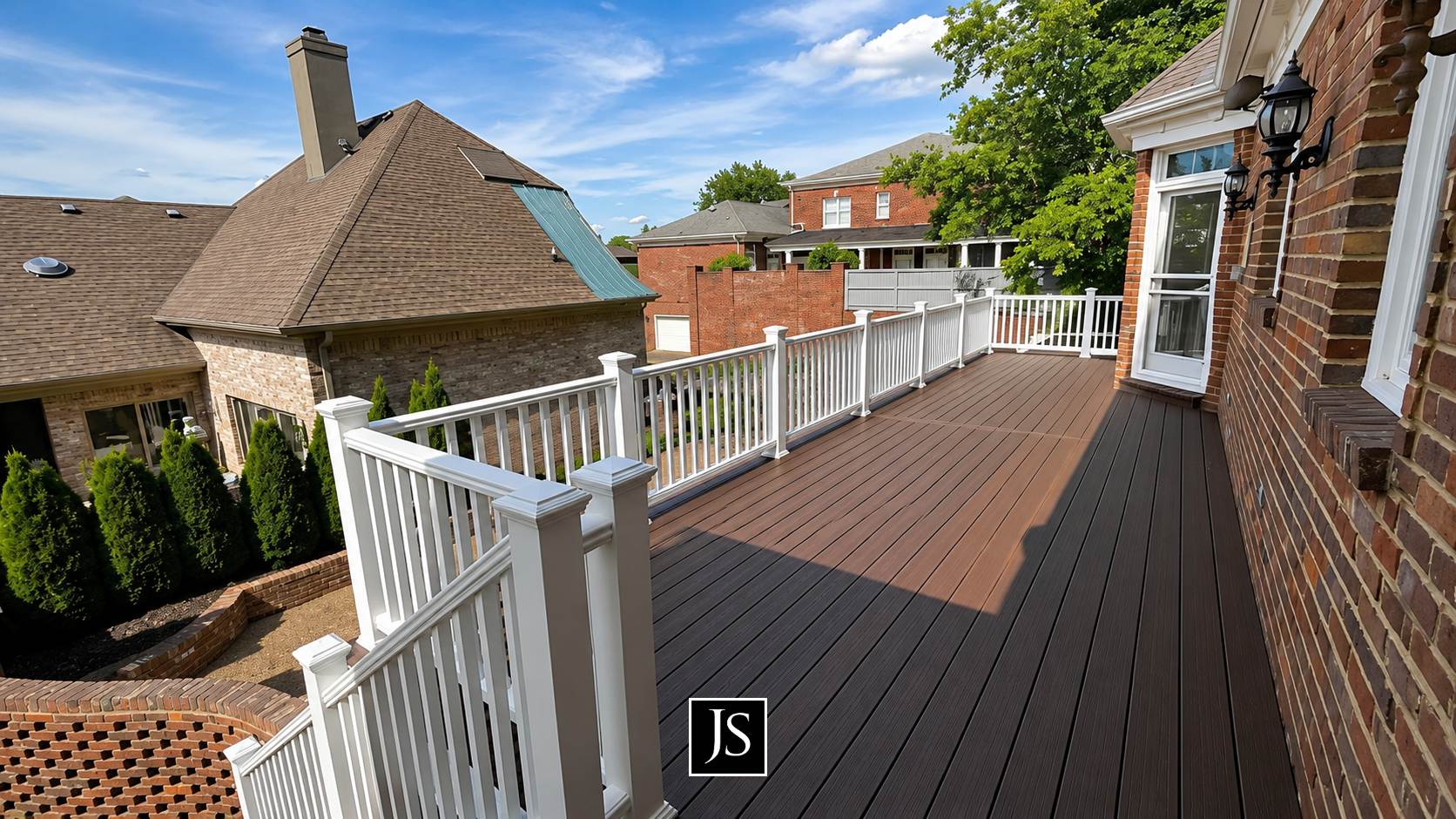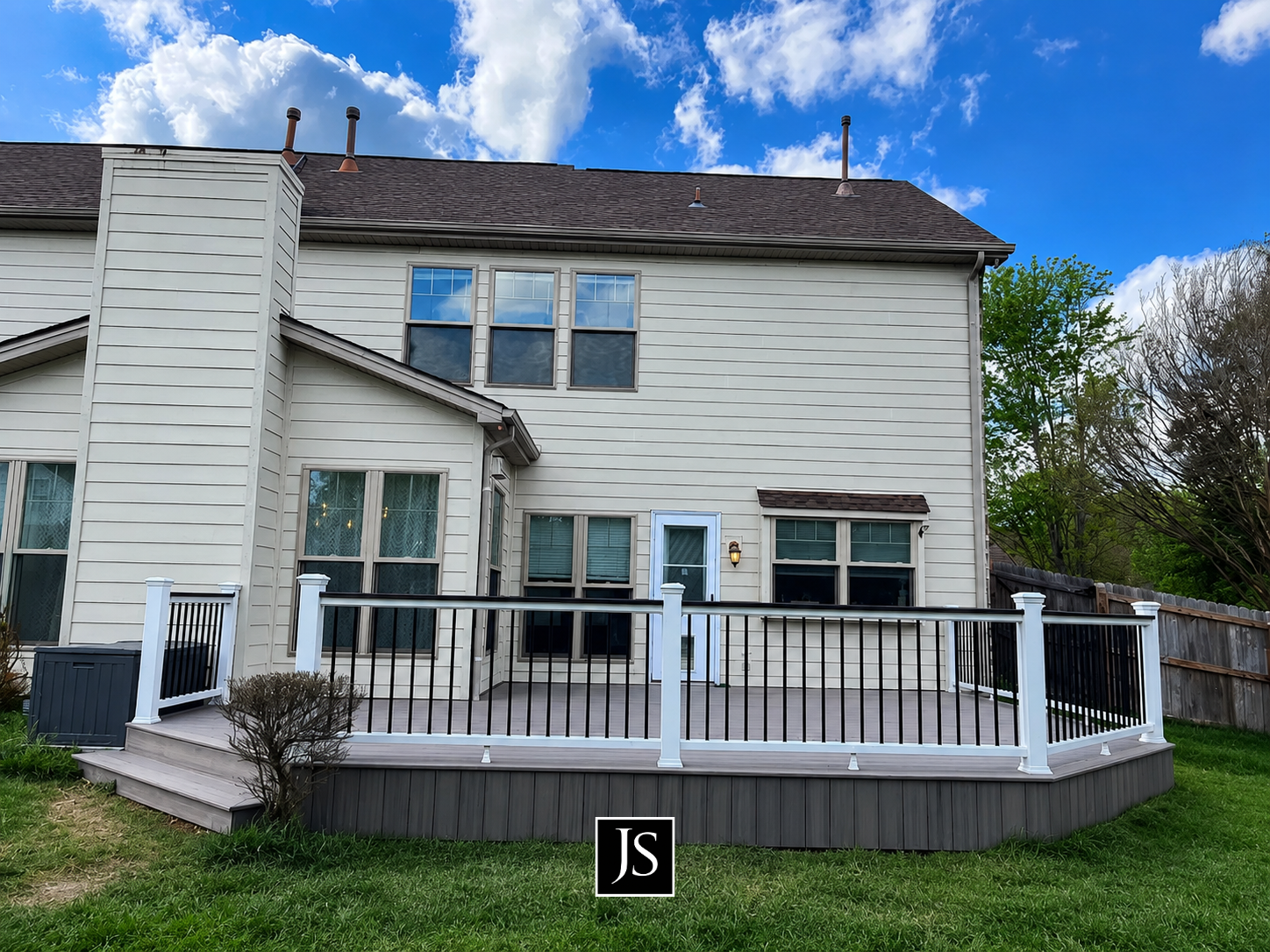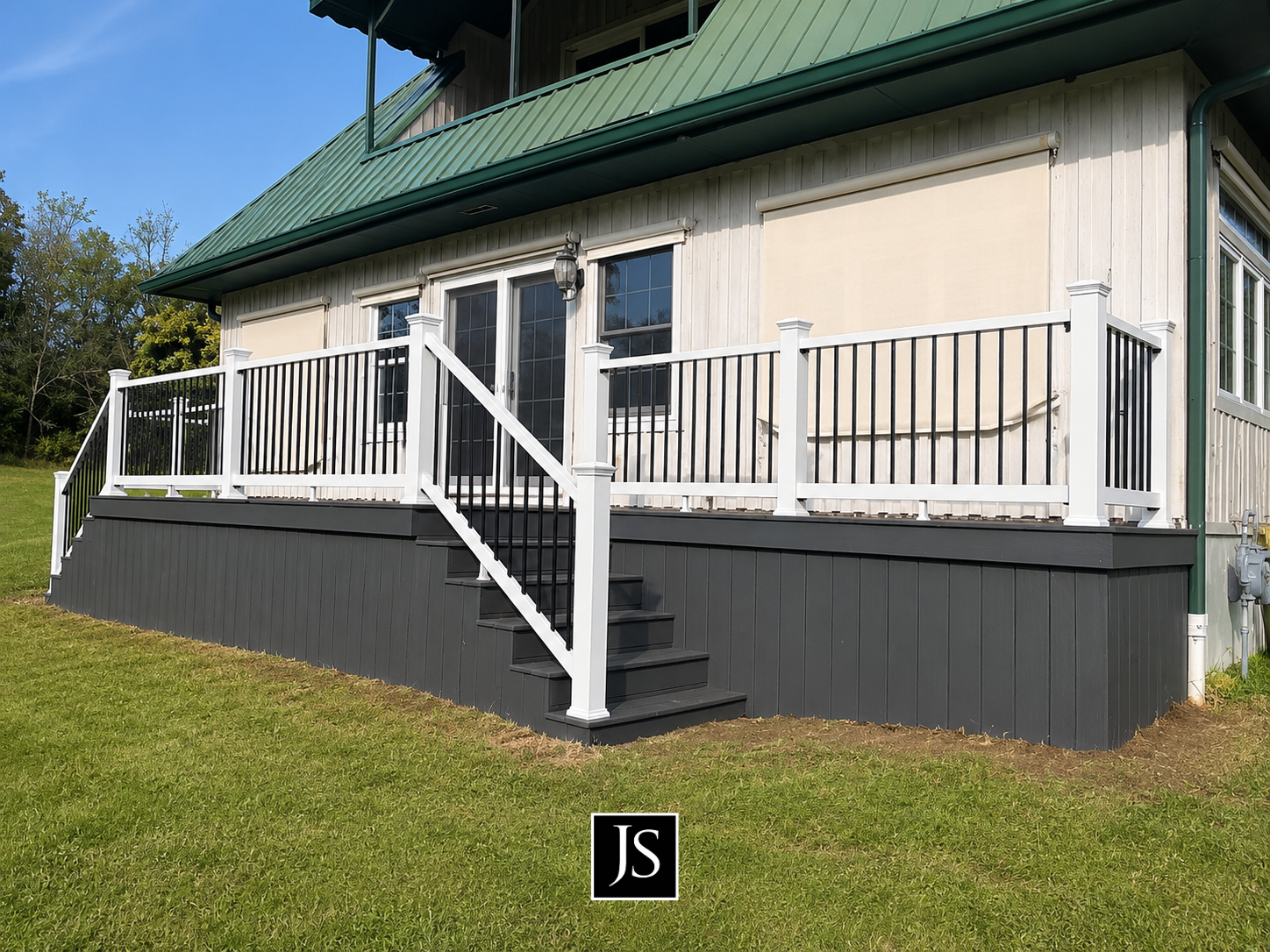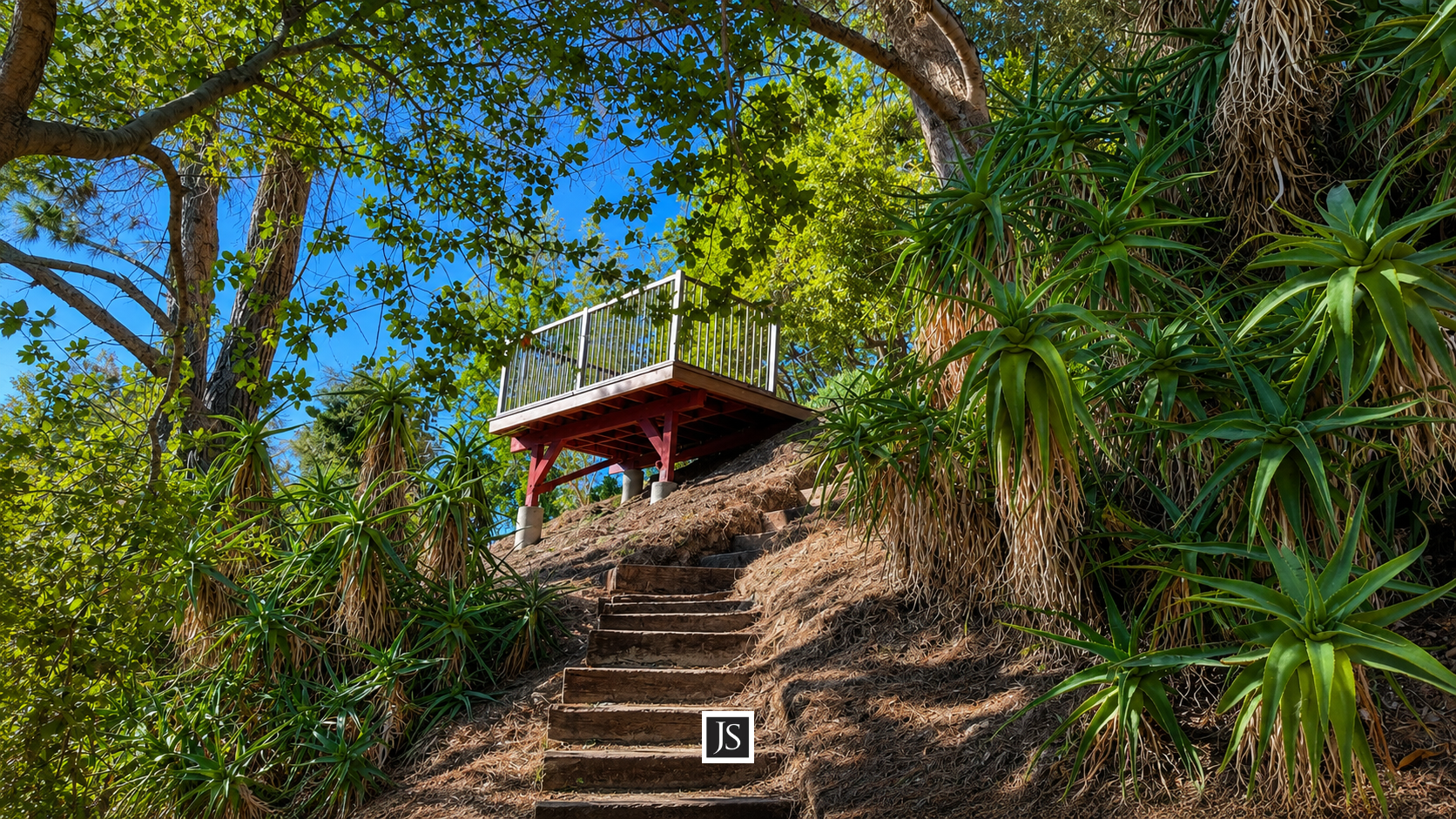
Picking the perfect deck for your backyard is about more than just the color or material. It's a long-term choice that influences comfort, maintenance, and how often you truly enjoy your outdoor space. When you're exploring options for contractor services in Franklin, TN, the right deck depends on your lifestyle, maintenance preferences, and how it will stand up to hot summers and mild winters. Planning a new deck can transform a simple yard into a go-to spot for relaxation and fun.
In 2026, deck designs are all about being organized, durable, and easy to maintain. Think multi-level layouts, eco-friendly materials, and heat-resistant products, especially in sunny climates. The U.S. Forest Service and National Park Service suggest using materials and methods that ensure durability and can withstand weather exposure. This guide will break down the key deck types, compare their benefits, and help you choose the best fit for your backyard.
What Makes a Deck Great for Your Backyard?
Consider Your Lifestyle
The ideal deck supports your daily habits. Love hosting family dinners outside? Make sure you have space for seating and movement. Prefer a quiet nook for morning coffee and reading? Prioritize comfort and shade over size. If grilling and entertaining are your thing, your deck should accommodate cooking, storage, and foot traffic.
Your deck should match how you use your home year-round. Some want a low-maintenance surface that's easy to clean, while others might prefer the warmth and classic look of wood. For many, the best choice balances beauty with practicality. Looking at resources like the wood vs. composite decking guide can help you make an informed decision.
Look Beyond Looks
While it's tempting to focus on aesthetics, a stunning deck that constantly needs repairs isn't the best value. Your deck should be safe, durable under foot traffic, and require reasonable upkeep. If your current structure shows wear and you're debating between a remodel or a full replacement, deck replacement and remodeling is worth considering.
Durability is essential because decks face sun, moisture, foot traffic, and seasonal changes. A strong deck design uses materials and framing suitable for local conditions, budget, and maintenance preferences. When everything aligns, your deck feels like an extension of your home, not a chore.
2026 Backyard Deck Trends You Should Know
Zoned and Multi-Level Deck Designs
One big trend in 2026 is zoned deck layouts. Instead of a single open platform, homeowners are going for multiple levels or defined sections for dining, lounging, cooking, and chatting. This approach offers a more polished outdoor living experience, making the deck feel larger without expanding its footprint.
According to Homes & Gardens, there's a preference for outdoor spaces that feel intentional rather than generic. Zoned decks are perfect for families since different activities can happen simultaneously without crowding each other. If you're planning a larger outdoor project, check out things to consider before building a multi-level deck.
Sustainable and Eco-Friendly Materials
Homeowners are paying more attention to sustainability. Composite decking made from recycled content and sustainably sourced wood products is popular for reducing waste and often outlasts traditional lumber. Eco-friendly choices offer better value in the long run since they last longer and require fewer replacements.
These choices aren't just ethical; they're practical too. Many eco-friendly materials need less maintenance, meaning less staining, sealing, and replacing over time. If you're considering a more durable option, composite decks offer a good balance of style, performance, and sustainability.
Heat-Resistant Deck Surfaces
Another trend is using decking products that absorb less heat. In sunny climates, a deck that stays cool can be a game-changer during summer. Heat-resistant materials are especially handy for uncovered decks or those with south-facing exposure.
Focusing on cooler, more comfortable surfaces is part of a larger trend toward usability. According to the Federal Highway Administration, surface temperature is a real concern in sun-exposed areas, and the same applies to outdoor spaces. If comfort is key, consult a builder to compare surfaces that stay cooler during the hottest months.
Comparing Main Deck Material Options
Traditional Wood Decking
Wood is popular for its natural look and easy customization. Many homeowners love the grain, warmth, and classic vibe of wood boards. Pressure-treated lumber is often the most affordable option, making it a go-to for budget-conscious projects or temporary solutions.
However, wood usually needs more maintenance than composite or PVC options. It requires regular cleaning, staining, and sealing to resist moisture and sun damage. If you're looking for a cost-effective option with reliable performance, pressure-treated decks might be a good starting point, especially if you're building a sturdy deck without breaking the bank.
Composite Decking
Composite decking is a strong all-around choice for modern backyards. It balances durability, visual consistency, and low maintenance. Many products resist rot, splintering, fading, and insect damage, making them appealing if you want a cleaner, easier lifestyle.
Composite decking can last 25 to 50 years, depending on quality and installation. That long lifespan often makes it a better value over time, even if the initial cost is higher. If you want a polished finish with minimal upkeep, consider Trex decks and railings or other composite systems.
PVC and Advanced Synthetic Options
PVC decking is another great choice for those seeking low maintenance and high moisture resistance. It's particularly useful in shaded or damp areas where wood may wear out faster. Many modern PVC products come in realistic wood-like textures that soften their appearance.
The main tradeoff is that premium synthetic products can be pricier upfront. However, if you prioritize easy cleaning and long-term durability, the investment is worth it. This is why many people compare not just the initial cost but the full life-cycle value of their deck materials before deciding.
How Local Climate Should Guide Your Choice
Hot Summers and Sun Exposure
Climate is often overlooked in deck planning. In warm areas, summer temperatures can affect how comfortable your deck feels for daily use. A dark surface that heats up might make a lovely design frustrating, especially in uncovered spaces where kids, pets, and guests are often barefoot.
Lighter-colored or heat-resistant materials work better in sunny backyards. Shade structures, pergolas, and strategic furniture placement can enhance comfort. If you want built-in sun relief, gazebo and pergola construction can create a more usable outdoor environment without compromising design.
Moisture, Humidity, and Seasonal Changes
Decks need to withstand moisture and seasonal expansion and contraction. Even in areas with mild winters, humidity and rain can affect fasteners, boards, and framing over time. This is why proper installation and weatherproofing are crucial for long-term performance.
For a deeper understanding of climate protection, check out best practices for drainage, ventilation, and protective finishes. A helpful overview is available in weatherproofing decks for a longer lifespan, which explains how to keep a structure in better shape through changing conditions. Good climate planning often determines whether a deck lasts decades or becomes a recurring repair issue.
Deck Design Ideas for Everyday Use
Design for Distinct Activity Zones
The best decks are designed around real use, not just square footage. A dining zone should be close to the kitchen or grill. A lounging zone should feel relaxed, with room for cushions, side tables, and conversation. If you entertain often, a separate cooking or beverage area can prevent crowding.
Zoning also improves traffic flow. Guests can move naturally from one area to another without stepping through every activity. This approach is especially valuable for larger families or frequent hosts. It's one reason multi-level outdoor spaces continue to gain attention in both residential design and contractor planning.
Add Shade, Lighting, and Railings Thoughtfully
Comfort isn't just about material choice. Shade features like pergolas, awnings, or roofed sections can greatly enhance your deck during the hottest parts of the day. Lighting extends usability into the evening and improves safety after sunset.
Railings deserve more attention than they often get. They influence both safety and visual style, and worn railings can make even a strong deck feel unfinished or unsafe. If your current railing system is loose, damaged, or outdated, railing replacement and repair can restore both curb appeal and peace of mind.
Connect the Deck to the Rest of the Backyard
A deck shouldn't feel isolated from the rest of your outdoor space. Good design considers the path from the home to the yard, the location of doors and windows, and how the deck connects to landscaping, patios, or play areas. When these details work together, the backyard feels more cohesive and inviting.
Homeowners who want a more complete outdoor environment often benefit from broader planning that includes seating, shade, and gathering areas beyond the deck itself. In that case, outdoor living spaces can turn one structure into a fully integrated backyard experience rather than a standalone platform.
Budget, Value, and Long-Term Maintenance
Understand the Real Cost of a Deck
Deck pricing in 2026 varies widely based on size, material, and complexity. Costs can range from $7,000 to $30,000, with premium composite and hardwood projects often on the higher end. This range makes it important to consider not just the starting price, but also the lifetime cost of ownership.
A cheaper wood deck might seem attractive initially, but ongoing staining, sealing, and repair work can add up. Composite and PVC options may cost more upfront, yet they often require less maintenance and last longer. For homeowners weighing return on investment, understanding the difference between short-term savings and long-term value is essential.
Maintenance to Match Your Lifestyle
If you want a deck that stays attractive with minimal effort, composite or PVC is usually the better path. These materials can often be cleaned with soap and water and don't need frequent sealing. Traditional wood, by contrast, rewards owners who are willing to commit to regular care.
This is where honest planning matters. A beautiful deck isn't a good fit if it creates stress every spring. The best choice should align with your schedule, your budget, and your expectations for upkeep. If your current deck has simply become too time-consuming to manage, it may be more cost-effective to remodel or replace it than to continue patching problems.
Value Comes from Longevity and Comfort
Value isn't only about dollars spent. A deck that's comfortable, safe, and easy to use adds more to your daily life than one that looks good but is rarely enjoyed. Longevity matters too, because a structure that lasts 25 to 50 years can deliver a stronger return than one that needs major attention much sooner.
That's one reason many homeowners choose to invest in stronger materials and better design from the beginning. If you're still exploring whether a rebuild makes sense, it can help to review deck replacement and remodeling as a long-term solution instead of treating the project as a quick fix.
Real-World Examples of Smarter Deck Choices
A Family Deck Built for Entertaining
One common success story is the family that replaces a single-level deck with a zoned design. They add a dining section near the kitchen, a lounge section with shade, and a smaller conversation area with built-in seating. The result is better traffic flow, fewer bottlenecks, and a space that works for both weeknight dinners and weekend gatherings.
These projects often perform best with composite materials because the deck sees heavy use and needs simple upkeep. Families don't want to spend every season sanding boards or reapplying stain. Instead, they want a space that looks polished and remains easy to enjoy year after year.
A Low-Maintenance Upgrade for Busy Homeowners
Another strong example is the homeowner who wants a deck that looks great but requires very little maintenance. They choose composite decking, add efficient lighting, and pair it with a covered section or pergola for shade. That combination creates a backyard retreat without demanding constant care.
This is especially practical for professionals or retirees who prefer to spend weekends relaxing instead of maintaining a structure. In these cases, the best deck is often the one that quietly supports everyday life with minimal friction. That is exactly where thoughtful planning and experienced building make a noticeable difference.
How to Decide Which Deck Type Is Best for You
Ask the Right Questions
Before you choose a deck, ask yourself a few direct questions: How often will I use it? How much maintenance am I willing to handle? Do I want a natural wood look, or do I prefer long-term durability and easier cleaning? What does my yard need in terms of shade, layout, and access?
Answering these questions will narrow your options quickly. If you still feel unsure, look at your existing structure and consider whether it needs repairs, a redesign, or a full replacement. The right answer is usually the one that best fits your space, your routine, and your long-term goals.
Work with a Contractor Who Understands the Local Environment
A deck is only as good as its design, materials, and installation. Working with a contractor who understands local climate conditions, code considerations, and backyard use patterns can make the difference between a deck that just exists and one that genuinely improves your home. For homeowners who want dependable support, new deck installation and custom outdoor planning can help you make a smarter investment.
If you want inspiration before you commit, browse the gallery to see how different deck styles, materials, and layouts come together in real projects. Seeing completed work can make it easier to picture what will actually suit your own backyard.
Frequently Asked Questions About Backyard Decks
What's the Most Low-Maintenance Deck Material?
Composite and PVC are generally the lowest-maintenance choices. They resist rot, don't need frequent staining, and are easier to clean than traditional wood. For many homeowners, that convenience is worth the higher upfront cost.
Which Deck Type Lasts the Longest?
High-quality composite decking often lasts the longest for the average homeowner, with many products rated for several decades. Lifespan depends on installation quality, exposure, and how well the deck is cared for over time.
Is Wood Still a Good Choice?
Yes, especially if you want a classic look or a lower initial cost. Wood can be a strong choice if you're willing to maintain it regularly and accept a shorter lifespan than premium synthetic materials.
What Deck Style Adds the Most Functionality?
Zoned and multi-level decks usually add the most day-to-day functionality because they separate cooking, dining, and lounging areas. That layout helps the space feel organized and more useful for both small households and larger gatherings.
Conclusion: Choose the Deck That Fits Your Life
The best backyard deck is the one that fits your lifestyle, climate, budget, and maintenance preferences. For some homeowners, that means a classic wood deck with simple charm. For others, it means a low-maintenance composite or PVC design that stays comfortable and attractive with less effort. The right answer comes from balancing style with performance and thinking beyond the initial build.
If you're ready to move from ideas to action, consider whether your property needs a fresh build, a remodel, or added outdoor features such as shade, railings, and lighting. For expert help planning your project, explore composite decks, review outdoor living spaces, or connect with pressure-treated decks options that match your budget and goals. When you're ready to improve your backyard with a deck designed for lasting enjoyment, JS Decking & Renovation is here to help you build with confidence.